

Ukraine’s Strong Frontline Position and Ongoing Diplomatic Efforts
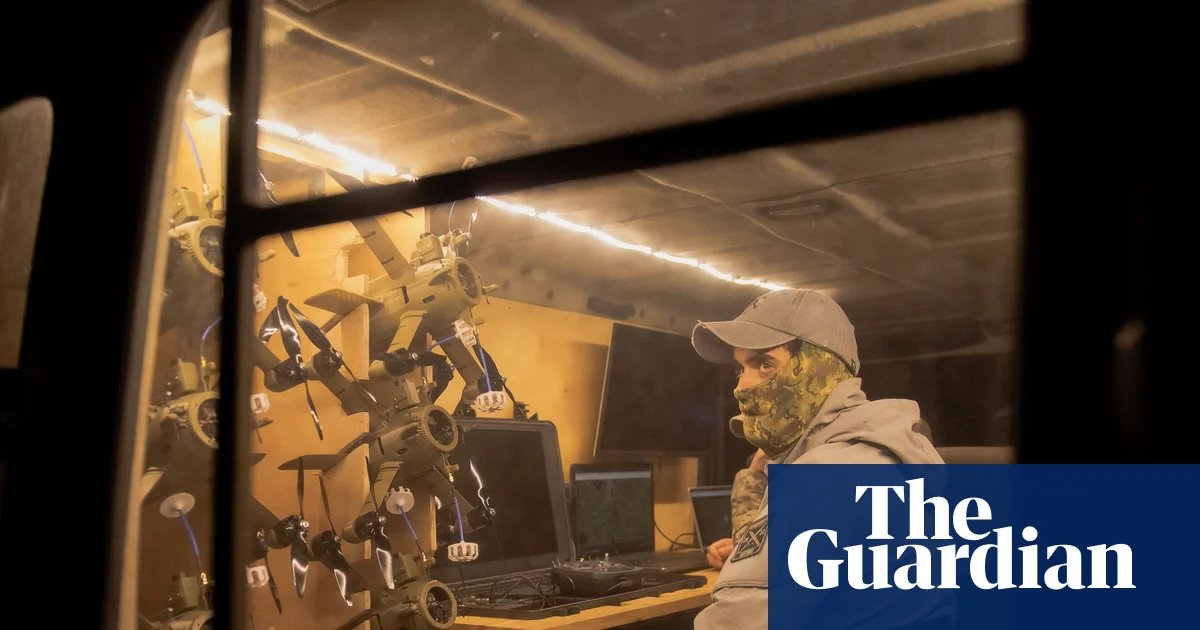
Ukraine’s position on the frontline is reportedly the most robust it has been in over a year, attributed to advancements in drone technology and improved air defense systems. This insight comes from comments made by Ukrainian Foreign Minister Andriy Sybiha and corroborated by an analysis from the Institute for the Study of War, highlighting that Russian forces have seen minimal territorial gains throughout March—marking a significant shift after two and a half years of sustained conflict.
Significant Developments on the Battlefield
According to Sybiha, the use of drones has considerably reduced the advantage held by Russian troops in terms of manpower. He stated, “For us, the situation on the battlefield is about fortifying our negotiating stance. We can successfully intercept up to 90% of the attacks targeting our cities. Ukraine’s battlefield position has indeed reached a peak not seen in the past year.”
Turkey’s Mediation Efforts
In parallel to military developments, Turkey is making strides to revitalize negotiations between Russia and Ukraine, responding to a request from Kyiv. Turkish President Recep Tayyip Erdogan shared during a meeting with NATO chief Mark Rutte in Ankara that efforts are underway to host talks at the leadership level.
Sybiha confirmed ongoing advocacy for direct discussions between President Volodymyr Zelenskyy and President Vladimir Putin, emphasizing that while Turkey is facilitating these discussions, Ukraine is open to any location outside of Russia and Belarus for this meeting. “We are actively seeking a face-to-face meeting to generate new momentum in our diplomatic efforts,” he remarked.
Kremlin’s Stance on Negotiations
Meanwhile, Russian officials have indicated that Putin would only engage in talks with Zelenskyy “for the purpose of finalizing agreements.” The Kremlin has also appealed for the United States to send delegations that have previously engaged with Putin, specifically mentioning figures like Steve Witkoff and Jared Kushner. Despite previous engagements, these discussions have yielded little progress, with Peskov stating that Russia is prepared for new negotiations “even tomorrow.”
Recent Attacks and Their Impact
The ongoing conflict has resulted in further casualties, with reports emerging from the city of Syzran regarding a deadly attack involving a Ukrainian drone hitting an apartment building, tragically killing a woman and her child. This incident underscores the repercussions of the conflict, which is evident by continued attacks on civilian infrastructure.
In another incident, Russian drones targeted facilities in the Black Sea port city of Odesa, leading to damage to port operators’ infrastructures and several vessels. However, initial reports confirm no injuries, and operations at the port are ongoing. Additionally, a drone strike in the Zaporizhzhia region resulted in the death of a train assistant, prompting further concerns about the conflict’s toll on civilian personnel.
Conclusion
Ukraine continues to fortify its frontline position as it navigates the complexities of ongoing diplomatic negotiations. The integration of advanced technology, such as drones, has shifted the dynamics on the battlefield, providing Ukraine with a more secure foothold. As Turkey steps in to mediate, the prospect of renewed dialogue between the opposing sides remains a critical element in the search for resolution.
Key Takeaways
- Ukraine reports its strongest frontline position in a year, aided by drones and air defense.
- Turkey seeks to mediate negotiations, aiming for talks between Zelenskyy and Putin.
- The Kremlin indicates willingness to negotiate but insists on terms favorable to Russia.
- Recent drone attacks highlight ongoing violence, resulting in civilian casualties.