

Middle Eastern Nations Reassess Trade Routes Amid Maritime Tensions
In the face of ongoing tensions in the region, Middle Eastern governments are revisiting long-standing proposals for overland oil and gas pipelines, while also rapidly developing plans for new rail and sea transport routes. This proactive approach comes in response to disruptions in maritime trade through crucial choke points like the Strait of Hormuz and the Red Sea.
Strategic Shifts in Trade Infrastructure
As the risks to these vital shipping lanes are expected to endure beyond the current military conflicts involving the US-Israel alliance and the Iran-led Axis of Resistance, nations such as Saudi Arabia, Turkey, and the United Arab Emirates are eager to construct an innovative trade network. This new framework aims to connect the Indian Ocean to the Mediterranean Sea through diverse channels.
These emerging projects highlight what experts are calling a “structural shift” in logistics across the Middle East, indicating a departure from heavy reliance on the Persian Gulf’s existing, albeit fragile, infrastructure.
Expert Insights on Future Developments
Robert Mogielnicki, founder of PoliSphere Advisory, a consultancy specializing in Middle Eastern geoeconomics based in Paris, notes, “While a return to established infrastructure is likely, it won’t entirely negate the structural changes that have already taken place.”
New Transport Corridors Under Consideration
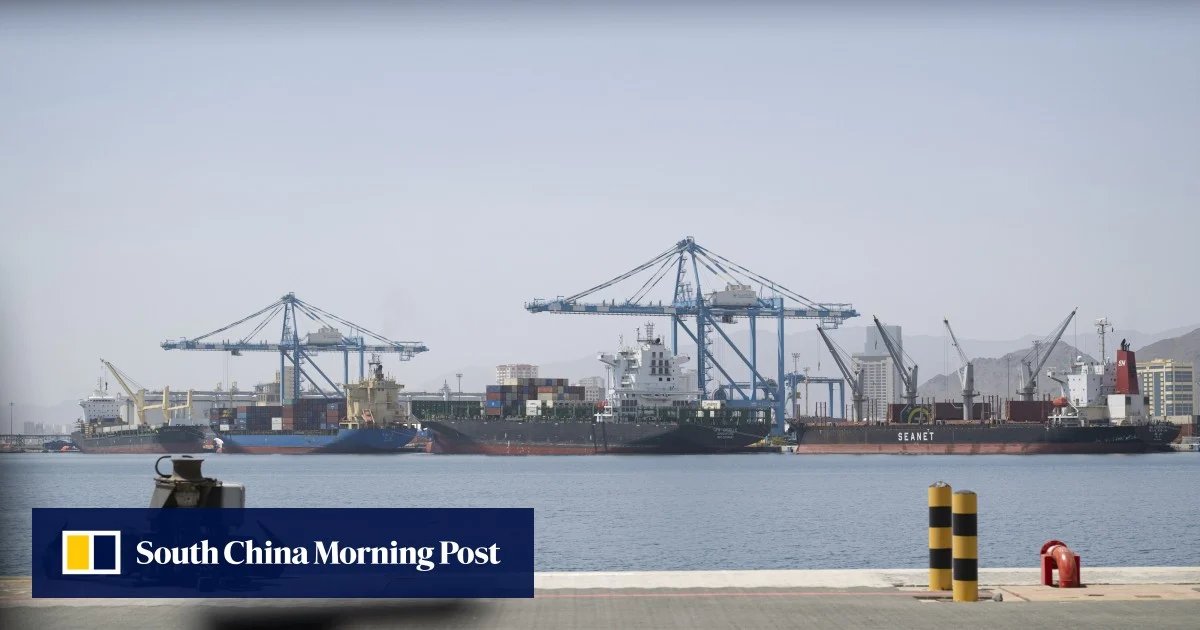
The suggested alternative routes for commercial cargo would facilitate transport from ports in the UAE and Oman, strategically located outside the Persian Gulf. These goods would be moved overland by rail through Saudi Arabia to reach Jordan, before continuing on through either Egypt’s Suez Canal or the Syrian ports of Latakia and Tartus.
- Middle Eastern countries are establishing new trade routes due to risks in maritime transport.
- Saudi Arabia, Turkey, and the UAE are leading the initiative to build a more resilient trade infrastructure.
- Experts predict that while established routes may resume, structural changes will persist in the region’s logistics.
- Proposals for alternate cargo routes include overland rail connections through Saudi Arabia to Jordan, reaching Mediterranean access points.