

Recent Developments in Ukraine and Cybersecurity
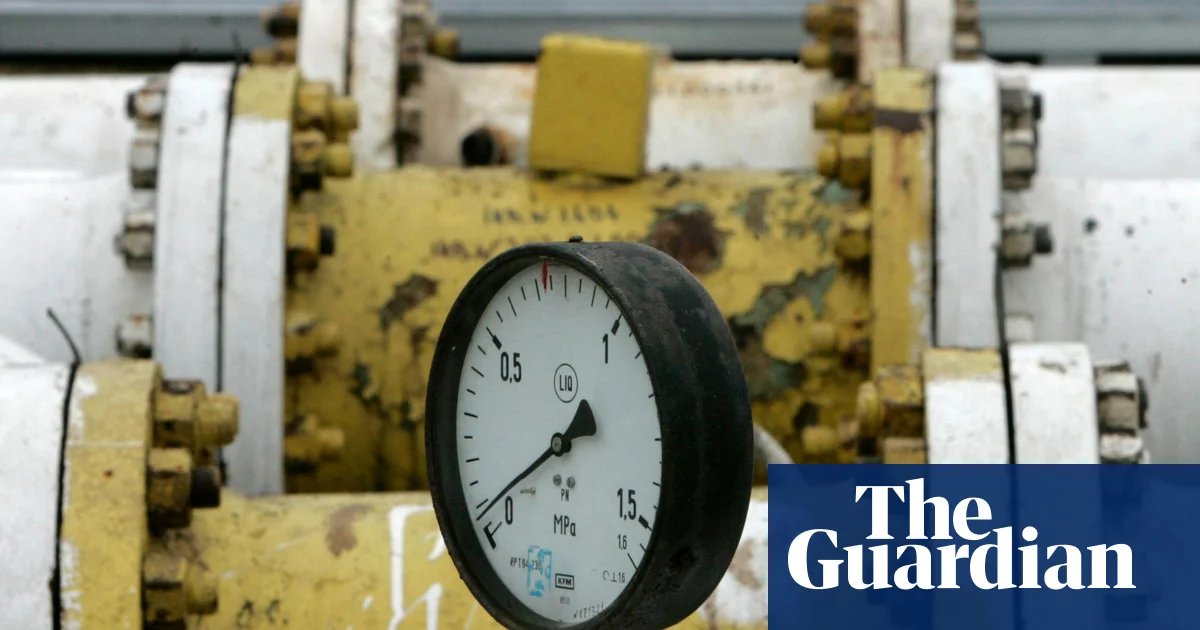
In a significant turn of events, President Volodymyr Zelenskyy announced on Tuesday that operations on the Druzhba pipeline, which transports Russian oil to Hungary and Slovakia, are set to resume. This comes after repairs were made following a Russian attack. Following these developments, Ukraine anticipates the European Union will authorize a substantial €90 billion loan that had been previously stalled by Hungarian Prime Minister Viktor Orbán. With Orbán facing electoral defeat and set to exit office, the path appears clearer for the approval of the loan.
Loan Approval in Sight
“There can now be no grounds for blocking it,” Zelenskyy asserted, referring to the anticipated EU loan. During a recent meeting of EU foreign ministers in Luxembourg, EU foreign policy chief Kaja Kallas expressed optimism, indicating that a favorable decision regarding the loan could be expected within 24 hours. Reports suggest that oil flow through the Druzhba pipeline may recommence as early as Wednesday, according to industry sources.
Concerns Over Energy Dependence
Despite the resumption of the oil flow, Zelenskyy has consistently urged Europe to diversify its energy sources and move away from reliance on Russian supplies. “No one can currently guarantee that Russia will not repeat attacks on the pipeline infrastructure,” he cautioned.
Corruption Claims in Odesa
In a troubling development, guns were fired as Ukrainian authorities apprehended military draft officers in Odesa accused of illegally detaining individuals and extorting money with threats of frontline deployment. The Security Service of Ukraine (SBU) reported that four officers from a local recruitment center were arrested following an attempted escape, where special forces intervened by disabling their vehicle. The suspects are under investigation for extortion, facing potential sentences of up to 12 years in prison along with property confiscation.
Cybersecurity Threats from Russia
As the conflict in Ukraine unfolds, Moscow is reportedly broadening its tactics to include cyber operations targeting the UK and Europe. Richard Horne, head of the UK’s cybersecurity agency at GCHQ, plans to address these concerns on Wednesday. He will discuss “sustained Russian hybrid activity” and emphasize the necessity for companies to understand these strategies to protect themselves effectively. Horne’s remarks are scheduled for the CyberUK conference in Glasgow.
Russian Cyber Operations Targeting Infrastructure
In recent months, several countries, including Sweden, Poland, Denmark, and Norway, have reported cyber attacks linked to Russian hackers, which have aimed at critical infrastructure such as power plants and dams. Horne stated that the UK’s National Cyber Security Centre (NCSC) currently manages around four significant cyber incidents each week. The most pressing threats, he noted, stem from state-supported cyberattacks, primarily from Russia, China, and Iran.
Horne cautioned that in the event of a conflict, the UK might face large-scale cyber attacks that differ significantly from those executed by organized criminal groups through ransomware. Due to this risk, he emphasized the importance of organizations understanding their vulnerabilities and enhancing their cyber defenses.
Conclusion
As the situation in Ukraine continues to evolve, both energy security and cybersecurity remain pivotal concerns. With the potential resumption of oil supplies through the Druzhba pipeline and the looming threats from cyber attacks, these issues highlight the complexities of geopolitical dynamics in the region.
Key Takeaways
- The Druzhba pipeline is set to resume oil operations following repairs from a Russian attack.
- Ukraine anticipates the EU will approve a €90 billion loan after Orbán’s departure.
- Corruption allegations have emerged against military draft officers in Odesa.
- British cybersecurity officials warn of increasing Russian cyber threats targeting critical infrastructure.