

Concerns Grow Over Waste-to-Energy Project in Fiji
A proposed waste-to-energy project in Fiji, funded by an Australian billionaire, has sparked significant backlash, with locals and government officials expressing concerns about its environmental impact and potential threat to the country’s tourism reputation. Critics describe the initiative as a form of “waste colonialism,” raising alarms about its implications for community health and safety.
Local Opposition to the Incinerator
Inoke Tora, a traditional landowner, recently traveled to the capital city of Suva carrying a petition from local villagers who oppose a $630 million incinerator planned to process 900,000 tonnes of non-recyclable waste annually. The facility is slated for construction near Nadi, a key hub for Fiji’s tourism industry.
The project, led by Ian Malouf and Rob Cromb—both well-known Australian businessmen—claims it could satisfy 40% of Fiji’s energy needs, reducing the nation’s dependency on diesel fuel. However, according to an environmental impact statement submitted by TNG, their company, the incinerator would increase Fiji’s national emissions by 25%, prompting fears of environmental degradation.
Impact on Community and Environment
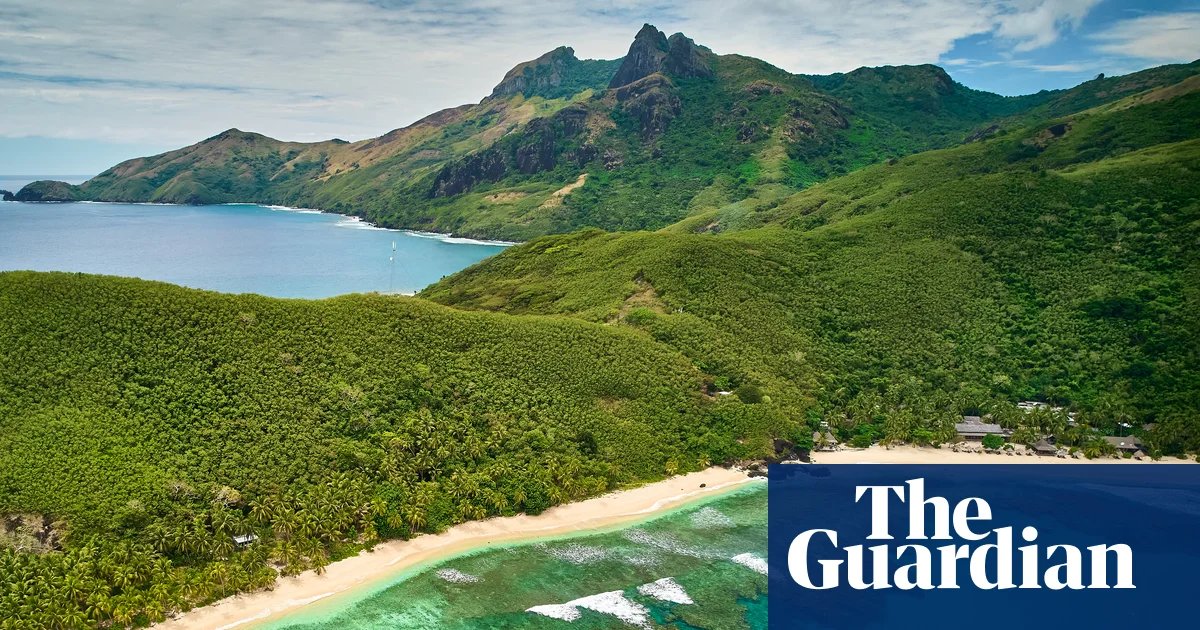
Residents have voiced concerns that the emissions from the incinerator could tarnish Fiji’s reputation for eco-tourism and pose health risks to the local population, given the proximity of hotels and schools. “People live here, they rely on fishing and enjoy their pristine beaches. This project threatens our way of life,” Tora stated during a phone conversation on his way to deliver the petition to Fiji’s Prime Minister.
“There are genuine concerns around environmental safety, transparency, and the scale of the proposal. These concerns are valid and are being taken seriously,” explained Cromb, who maintains ties with Fiji due to a fashion business he operates there.
Warnings from Officials
Fiji’s UN Ambassador, Filipo Tarakinikini, echoed local sentiments, cautioning that the Vuda coast must not become “the Pacific’s ashtray.” He warned about the dangers associated with ash residues and dioxins contaminating the food chain, likening the plan to waste colonialism as it would involve importing significant amounts of waste from abroad.
Past Failures and Current Scrutiny
Malouf, who previously headed a failed attempt to establish a similar facility in Sydney due to health concerns, did not respond to media inquiries regarding the Fiji project. Local politicians, including former Sydney mayor Stephen Bali, have urged the Fijian government to seek independent studies on the project’s emissions and overall impact on the environment.
Bali described the process of importing rubbish as environmentally dubious, emphasizing that waste management should be addressed in the country of origin, not offloaded to Fiji.
Community Voices and Government Review
Despite assurances from Cromb that waste management would focus on local materials, the official proposal indicates that significant quantities of waste would still be imported from Australia and beyond. Local residents, like Eremasi Matanatabu, worry about constructing such a facility near historically significant areas. “This project will stand out like a sore thumb,” he commented.
Fiji’s tourism minister, Vilame Gavoka, has acknowledged potential risks to tourism, noting that similar facilities in other countries are typically situated far from populated and business-heavy areas. As the project undergoes review by the Fijian government, local concerns remain at the forefront of the discussion.
Conclusion
The proposed waste-to-energy project in Fiji faces strong opposition from local communities and government officials alike, who are highlighting its potential environmental and health risks. As discussions continue, the focus remains on finding a solution that balances energy needs with protecting the beautiful coastal ecosystems that define Fiji.
- Fiji’s proposed $630 million waste-to-energy incinerator faces local opposition due to environmental concerns.
- Critics label the project as “waste colonialism” and fear for the future of eco-tourism in the region.
- Government officials and local residents are calling for independent studies on the project’s impact.
- The facility is under review, with concerns about its implications for health and safety remaining paramount.