

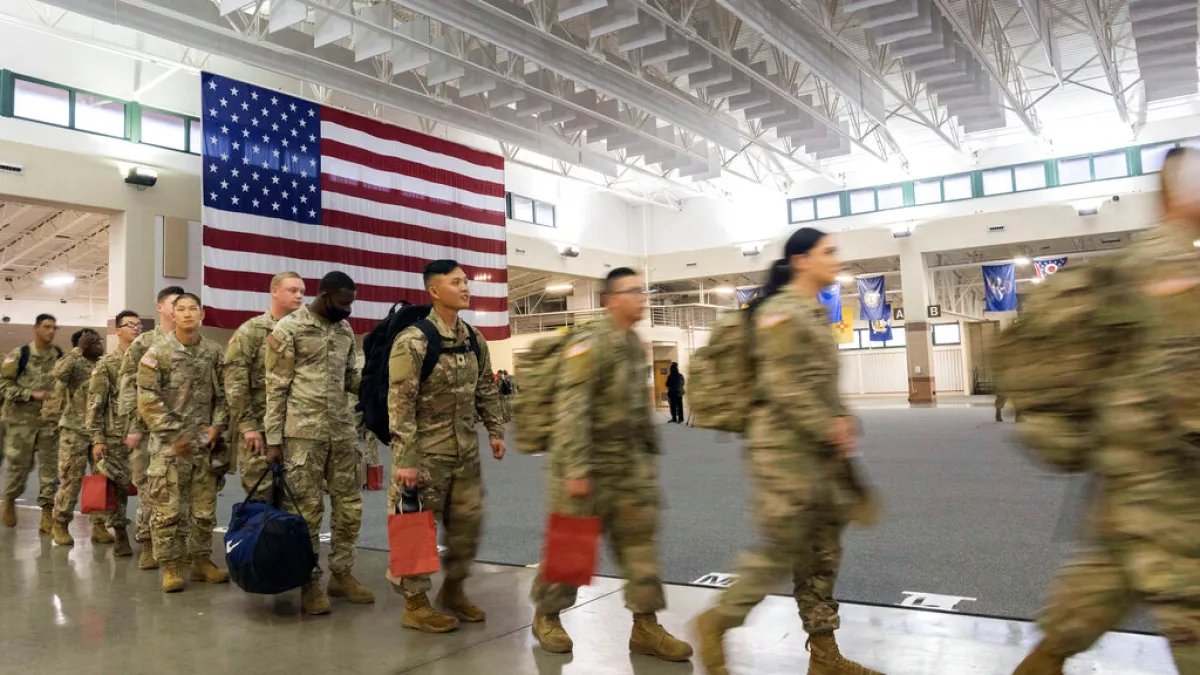
U.S. Army Increases Enlistment Age Amid Recruiting Challenges
In a significant move to bolster its recruitment efforts, the U.S. Army has announced an increase in the maximum age for enlistment from 35 to 42 years. This adjustment comes as part of ongoing efforts to expand the candidate pool amid recent recruitment difficulties.
Updates to Recruitment Policies
On March 20, the Army released an updated version of Regulation 601–210, detailing changes aimed at modernizing its recruitment processes. One notable alteration includes the removal of previous requirements that mandated individuals with a single conviction for marijuana possession or drug paraphernalia to obtain a waiver prior to enlistment.
While government data reflects that the Army has met its recruitment goals in the past two years, it fell short of expectations in 2022 and 2023, particularly for the Army Reserve. Analysts suggest that several factors may contribute to these ongoing challenges.
Effective Date of Changes
The updated enlistment regulations officially take effect on April 20, extending to active duty, Army Reserve, and Army National Guard members.
Rationale Behind the Changes
The specifics surrounding the decision to raise the enlistment age have not been publicly discussed by Army officials. However, data from the U.S. Army Recruiting Command indicates that the Army has encountered persistent recruitment obstacles. Even though the Army met its recruitment targets fully in 2024 and 2025, it missed its goals by approximately 23% in 2023 and 25% in 2022.
Moreover, the Army Reserve has struggled to meet its recruitment targets consistently for the past six years. Over time, the average age of new recruits has also risen—from 21.1 in the 2010s to 22.7 today. These trends reveal the evolving landscape of military recruitment.
The U.S. Army Recruiting Command notes that shifts in the labor market, limited awareness of military services, and a lack of qualified candidates owing to health-related issues have all posed challenges. Concerns over injury, mental health repercussions, and separation from family have also deterred potential enlistees.
The Impact of Global Affairs
Though the military has not officially linked the change to the ongoing conflict in Iran, it is noteworthy that the announcement coincides with rising tensions in the region. Discussions around altering enlistment policies to tap into an older demographic as a solution to recruitment challenges have been ongoing. A report from a renowned think tank highlighted older youth as a largely overlooked talent pool.
Some observers have noted the timing of the announcement, leading to social media speculation about its implications. There were humorous remarks suggesting older supporters of potential military actions could now enlist, reflecting the generational divides in public opinion regarding U.S. military interventions.
Current Military Demographics
As of now, the U.S. military comprises approximately 1.32 million active members. With nearly 450,000 personnel, the Army represents the largest segment, followed by the Navy at over 334,000 and the Air Force with more than 317,000. Other branches include the Marines, Coast Guard, and Space Force, making up the remainder of the active military personnel.
Additionally, approximately 80% of recent recruits in the Regular Army were men, and demographic data shows that Black and Latino individuals represent a considerable portion of new enlistees, reflecting the larger trends in recruitment.
Conclusion
The decision to expand enlistment age reflects the Army’s need to adapt to contemporary societal issues and recruitment challenges. As the landscape of military service continues to shift, the increasing age limit could pave the way for a more diverse pool of candidates willing to serve.
- The U.S. Army has raised the maximum enlistment age from 35 to 42 to broaden its recruitment pool.
- Effective from April 20, the regulations will impact all branches of the Army.
- The Army has faced recruitment shortfalls in recent years, especially with the Reserve forces.
- Generational attitudes toward military service are shifting, particularly among younger individuals.