

Tokyo’s Shinjuku Ward Moves to Limit Short-Term Rentals Amid Tourist Complaints
In a decisive move to address growing concerns from residents, Shinjuku, a vibrant ward in Tokyo, is set to implement a ban on short-term rental accommodations. This change comes as the ward grapples with an influx of complaints regarding disruptive tourist behavior, particularly in residential areas.
A Response to Tourist Behavior
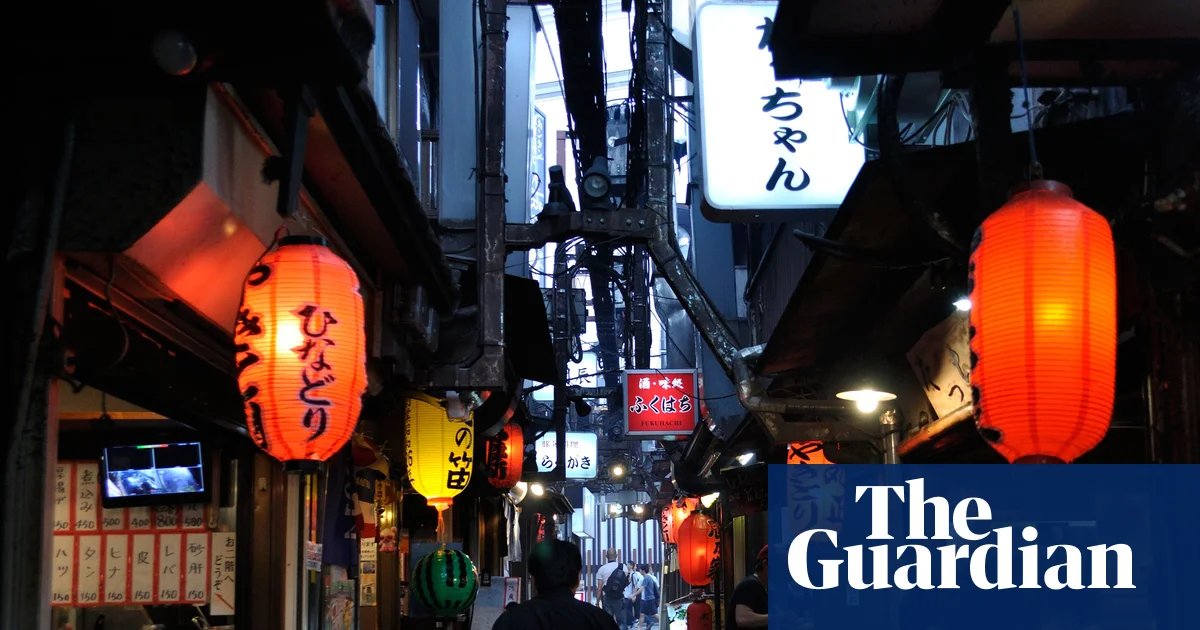
The Shinjuku ward, known for its bustling Kabukicho nightlife and the world’s busiest train station, has become a focal point in Japan’s complex relationship with mass tourism. Reports indicate that officials plan to restrict the use of private lodgings near schools, cultural landmarks, and within residential neighborhoods. This initiative has been spurred by a growing sentiment in Japan that the surge in tourism is putting a strain on local communities.
According to local sources, Shinjuku boasts the highest number of private lodgings—3,775 in total—making up a significant portion of Japan’s rental market. With a resident population of over 350,000, the ward believes that this new measure could impact around 2,000 of these lodgings, nearly half of the total in the area. The number of short-term rentals in Shinjuku has nearly tripled since 2022, reflecting the increasing demand from travelers.
Rising Complaints from Residents
The decision to limit short-term rentals follows more than 1,300 complaints from Shinjuku residents over the past year. Issues raised by locals include noise disturbances, improper waste disposal, and smoking in designated non-smoking areas. Some residents have gone so far as to report incidents of trespassing, leading to a deeper concern regarding the effect of tourism on neighborhood integrity.
Local officials have stated that merely penalizing short-term rental operators for the actions of their tenants would not be sufficient to ease resident frustrations. As one Shinjuku official noted, “Even if we crack down on poorly behaved operators, the number of complaints remains the same.” This has prompted a fundamental shift in policy, with the expectation that a broader ordinance will help preserve community quality of life.
Industry Reactions and Future Plans
While the ban does not specifically target individual rental companies, it is expected to affect platforms like Airbnb significantly. An Airbnb representative responded by emphasizing their commitment to working with local authorities to find solutions that can balance the needs of residents and responsible hosts. They expressed concern that the broad ban could inadvertently hurt compliant operators while failing to address the issues caused by unregulated rentals.
The Shinjuku authorities plan to gather public feedback on this proposal next month, aiming for revisions to the ordinance by February. Additionally, there is also a plan to reduce the maximum rental days for private lodgings in residential areas from 180 to 120 days annually, aligning with measures seen in other tourist-heavy regions.
Comparisons with Other Regions
In Kyoto, for instance, short-term rentals in residential areas are limited to just 60 days during the off-peak season, as local leaders have echoed similar concerns regarding the impact of tourism on community life. Kyoto’s mayor, Koji Matsui, acknowledged earlier this year that “Residents are concerned that their communities could be falling apart,” reinforcing the need for stringent regulations.
Looking Ahead
Japan welcomed a record 42 million visitors last year, generating an unprecedented ¥9.5 trillion ($62 billion) in revenue. Yet, with the government aiming for 60 million visitors annually by 2030, critics are apprehensive about the potential for “tourism pollution,” where the rising number of tourists outstrips local capacity to host them comfortably.
In an effort to manage visitor levels, some areas around Mount Fuji have started to introduce climbing fees and daily caps on visitors. Similarly, the town of Fujiyoshida canceled its spring cherry blossom festival this year to protect the local community from disruptive tourist behavior.
Shinjuku’s initiative reflects a broader trend in Japan as local authorities strive to find a balance between welcoming tourists and safeguarding the quality of life for residents.
- Shinjuku ward in Tokyo plans to ban short-term rentals to address resident complaints.
- Over 1,300 local complaints have highlighted issues like noise and improper waste disposal.
- The proposal could impact up to 2,000 accommodations in the area.
- This move is part of a growing trend in Japan to regulate tourism more effectively.