

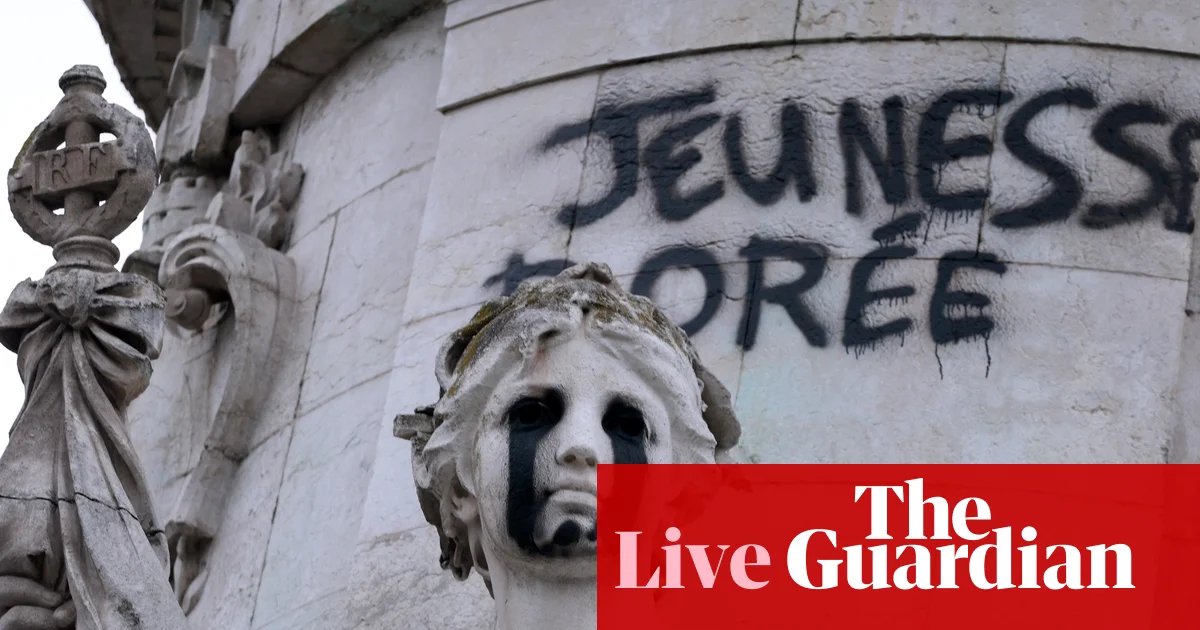
Macron Condemns Ultra-Left Riots in France
Recently, French President Emmanuel Macron condemned the actions of ultra-left groups, labeling them as seditious efforts aimed at destabilizing the Republic. This article delves into Macron’s strong response to protests and the broader political landscape in France as authorities confront escalating unrest.
Macron’s Acknowledgment and Response
Macron began by admitting that the government faced challenges in responding to the protests that erupted last weekend, acknowledging unexpected elements in the situation. He stressed the necessity for the government to learn from these shortcomings and adapt its strategies for the upcoming weekend protests. Local authorities have been empowered to enforce restrictions, including gathering bans, while the judicial system is prepared to take decisive action against the events unfolding.
Empowering Local Authorities
The President expressed his support for the justice ministry’s push for stringent penalties for those involved in the riots. He unequivocally stated, “We witness both political and even seditious acts carried out by organized ultra-left groups aiming to bring down the Republic—acts that these groups themselves openly claim, characterized by extreme, intense violence.”
Recent Unrest in Albanian Parliament
Meanwhile, in Albania, dramatic scenes unfolded in the parliament where opposition members confronted one another during ongoing student demonstrations. Lawmakers attempted to halt the session, showcasing images of a protester reportedly injured by police. Opposition leader Sali Berisha emphasized the need for parliament to address the legitimate demands stemming from student protests, labeling the current assembly as lacking in legitimacy.
Outside the parliament, several hundred demonstrators gathered, intentionally distancing themselves from political factions. Both Berisha and Prime Minister Edi Rama faced accusations of corruption from the protesting movement.
Espionage Concerns in Germany
In another notable development, German Chancellor Friedrich Merz remarked on a recent espionage arrest, suggesting it was no surprise given the persistent threats posed by Russian intelligence in Germany. He pointed out that the activities of Russian spy agencies remain a serious concern, highlighting the need for vigilance. Merz reinforced Germany’s commitment to supporting countries in the Western Balkans and emphasized that lasting peace in Ukraine hinges on European involvement.
Protest Regulations in Paris
In Paris, local authorities approved a major union-backed demonstration while banning another event organized by student groups and the yellow vests movement. Macron communicated a clear strategy to distinguish between lawful protests organized by recognized unions and more volatile, unregulated gatherings, intending to maintain order in the face of unrest.
A Strong Political Message from Macron
Macron has conveyed a strong political message, drawing a line between legitimate protests and violent outbreaks that disrupt the peace. He aims to reinforce the government’s resolve in mitigating the latter while ensuring that sanctioned demonstrations find a safe and orderly path forward.
Conclusion
The recent events in France illustrate the delicate balance government must strike between upholding democracy and maintaining order in the face of growing unrest. Macron’s approach reveals a commitment to address genuine grievances while pushing back against violent extremism.
Key Takeaways
- Macron condemns ultra-left groups for their violent protests aimed at destabilizing the Republic.
- Local authorities gain power to enforce gathering bans and judicial responses are mobilized.
- In Albania, protests highlight opposition to corruption amid ongoing student demonstrations.
- Macron seeks to clearly differentiate between legitimate protests by unions and violent demonstrations.