

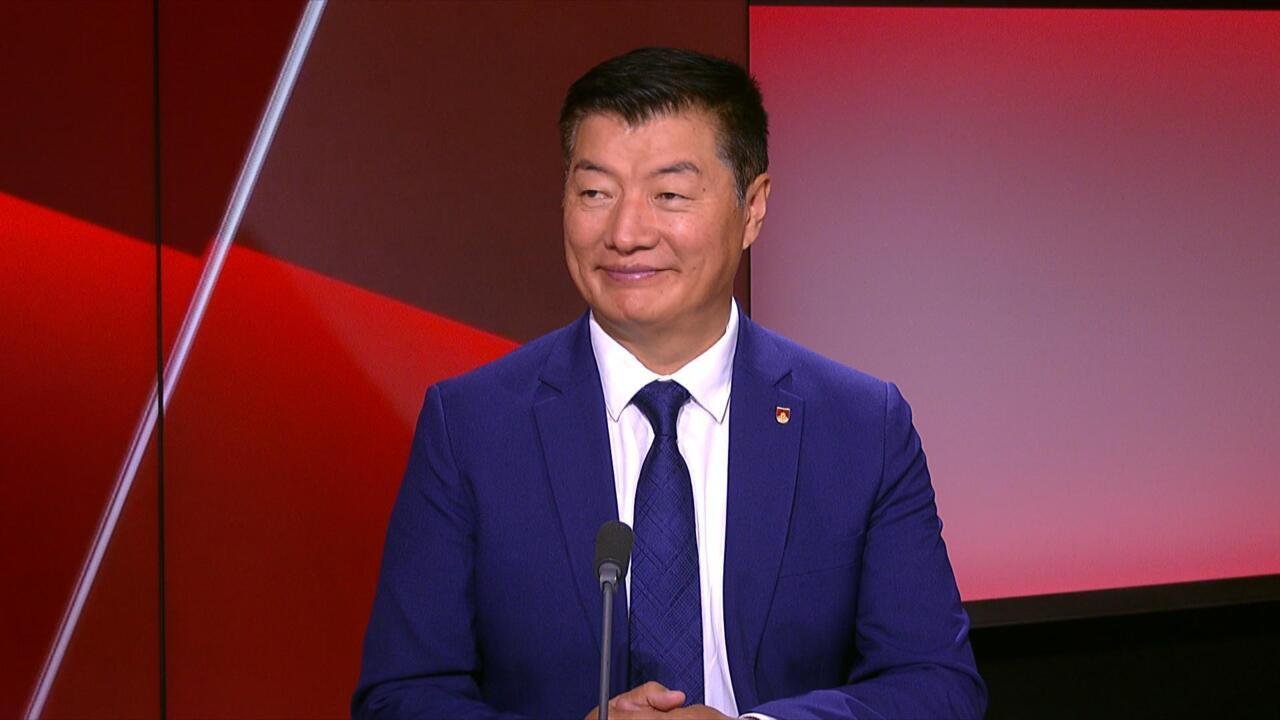
Concerns of the Tibetan Exile Community: An Interview with Lobsang Sangay
In a revealing discussion with FRANCE 24, Lobsang Sangay, the former Tibetan leader in exile, expressed strong criticisms of China’s approach to Tibetan affairs. He addressed the anticipated succession of the Dalai Lama, dismissed China’s claims, and highlighted significant issues including China’s recent ethnic unity law, the ongoing war in Ukraine, and the handling of natural disasters along the Nepal-Tibet border.
Lobsang Sangay, who served as the head of the Tibetan government-in-exile from 2011 until 2021, firmly rejected China’s assertion that it could appoint a successor to the revered 91-year-old Dalai Lama. “Only the selection made by his office and our monks will be legitimate,” he stated, emphasizing that any candidate chosen by China would be nothing more than a “fake one.”
Concerns Over Ethnic Unity Law
He further criticized China’s recent law aimed at “promoting ethnic unity and progress,” which took effect on July 1. Sangay described it as akin to “ethnic erasure or assimilation,” warning that its effects could extend beyond China’s borders and impact ethnic minorities in neighboring regions.
Impacts of Global Politics
Reflecting on the geopolitical landscape, Sangay noted that Tibetan issues seem to have been sidelined in U.S.-China discussions, especially in light of recent trade deals. He characterized China as the “main beneficiary” of the ongoing war in Ukraine, suggesting that Tibetan concerns were increasingly being downgraded in favor of economic negotiations.
Response to Natural Disasters
In a somber revelation, Sangay accused the Chinese government of failing to adequately respond to the catastrophic floods that struck the Nepal-Tibet border on August 26. He criticized the official death toll provided by China, which was reported to be less than 100, while asserting that hundreds remain missing on the Tibetan side. “We know this does not reflect the true scale of the tragedy,” he added.
These statements highlight the ongoing complexities of Tibetan autonomy and China’s policies, underlining the urgent need for the international community to pay heed to the voices of the Tibetan diaspora.
- Lobsang Sangay asserts any successor to the Dalai Lama appointed by China will be illegitimate.
- He criticizes China’s ethnic unity law as an attempt at ethnic erasure.
- Sangay believes Tibetans’ interests are being overlooked in U.S.-China relations.
- He calls out China’s inadequate response to recent deadly floods in the region.