

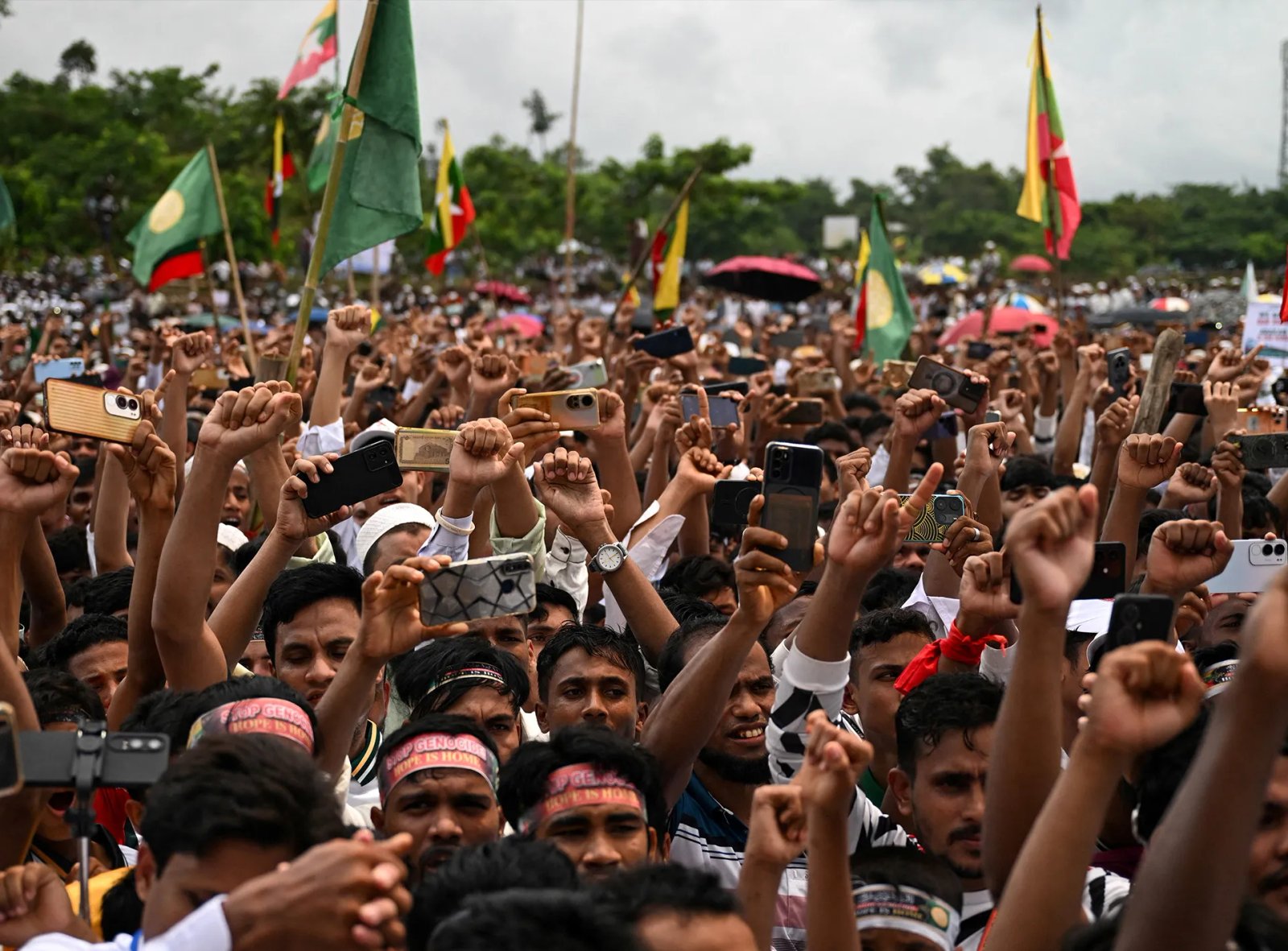
The Ongoing Rohingya Refugee Crisis: Nine Years On
It’s been nearly a decade since the Rohingya people were forced to escape their homeland in Myanmar, seeking safety in Bangladesh due to a brutal military campaign described by a United Nations report as driven by “genocidal intent.” As we reach this somber anniversary, approximately 1.2 million Rohingya continue to reside in crowded refugee camps in Bangladesh, grappling with the lasting impacts of displacement and humanitarian challenges.
Background of the Crisis
The Rohingya, a Muslim minority group in Myanmar, have faced decades of discrimination and violence. In August 2017, a severe military crackdown prompted thousands to flee across the border into Bangladesh. This mass exodus was not only a desperate response to physical threats but also an escape from systemic oppression. The report detailing these events profoundly characterizes the horror experienced by the Rohingya community.
Current Situation in Bangladesh
As of now, Bangladesh hosts a significant population of Rohingya refugees living in makeshift settlements. The living conditions are challenging, characterized by overcrowding and limited access to basic services such as clean water, healthcare, and education. The refugee camps are often depicted as a temporary solution, yet many have endured a prolonged stay, raising concerns about the long-term implications for their wellbeing.
Humanitarian Efforts
Multiple organizations are actively involved in providing aid to these refugees, working to address food security, health services, and education for children. Nonetheless, the ongoing nature of this crisis places immense pressure on both the refugees and the host community in Bangladesh.
The Path Forward
As the situation evolves, international attention remains critical. Advocacy for the Rohingya rights and pressure on Myanmar for accountability and safe repatriation options are essential. Moreover, support from the global community is necessary to alleviate the current humanitarian needs and explore solutions that focus on long-term integration and safety for the Rohingya people.
Conclusion
The plight of the Rohingya refugee community serves as a stark reminder of the need for humanitarian action and international solidarity. As the world reflects on nine years of displacement, it is crucial to keep their narrative alive and continue advocating for their rights and a sustainable resolution to this ongoing crisis.
- The Rohingya have faced severe persecution in Myanmar for decades.
- Over 1.2 million Rohingya are currently living in refugee camps in Bangladesh.
- Humanitarian efforts are ongoing, but challenges remain significant.
- International advocacy is pivotal for addressing their needs and securing their future.