

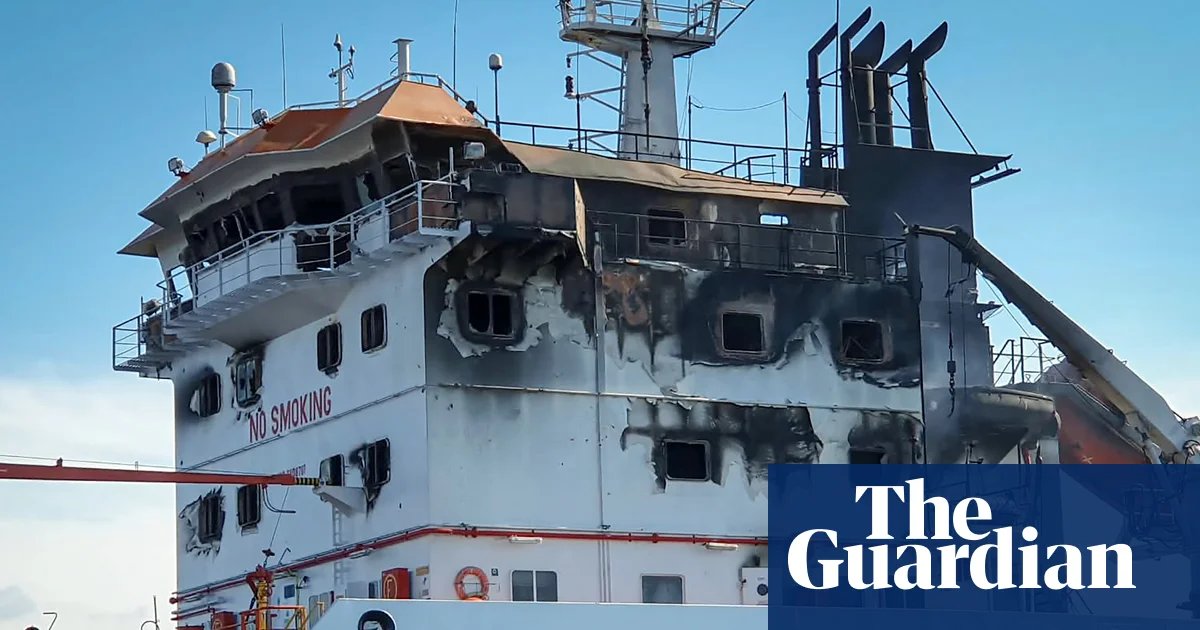
The Escalating Maritime Threats in the Black Sea
Recently, the Black Sea has become the scene of intense maritime conflict, leading to alarming casualties and heightened security concerns for sailors and shipping operations. This article delves into the shocking attacks on cargo vessels within this strategic region, emphasizing the growing threats posed by drone strikes, the impact on maritime trade, and the responses from nations involved.
Recent Attacks on Shipping
The crew of the Bulgarian ferry Dioscuria became aware of a serious incident during the early hours of October 6, when a distant explosion was heard 70 miles offshore from the coastal town of Byala. The Turkish-owned cargo ship, Alfa Watan, en route to the Romanian port of Sulina, had reportedly been targeted by suspected Russian drones. Upon reaching the site, the crew discovered an overturned lifeboat and scattered lifejackets, but the ship’s ten crew members were missing.
Just days later, another assault took place against the vessel HS Dignity, resulting in the tragic deaths of eleven crew members. This surge in attacks raised alarms as strikes began encroaching on Romanian airspace, with two chemical tankers, Wine Trader and Yara J, being left ablaze and several sailors still unaccounted for.
Scale of the Attacks
Within a mere ten days, six ships, including the Able and Chelsea-3, were hit, marking an alarming escalation in maritime tensions near NATO borders. While attention has often been directed towards threats in other regions, such as the Strait of Hormuz, the Black Sea has emerged as an increasingly perilous zone, with a staggering number of sailors lost.
According to maritime risk experts at Ambrey, the dangers to shipping in the Black Sea, especially concerning grain and oil transportation, are projected to persist, leading to skyrocketing insurance premiums for these vital routes. Senior analyst Tomas Alexa remarked on the noticeable uptick in assaults starting in July, attributing approximately 80% of these incidents to Russian forces. Many attacks reportedly employ “double tap” strategies, utilizing both aerial and surface drones armed with considerable explosives.
Impact on Maritime Trade
The aggressive nature of these attacks has drastically reduced the number of vessels entering Ukrainian ports. Insurance rates have soared, and many shipping operators are becoming increasingly hesitant to navigate these waters, even if their cargo is not linked to Ukraine. Since Russia’s full-scale invasion of Ukraine in February 2022, more than 60 seafarers have tragically lost their lives in the region, with the majority of these fatalities occurring over the past year.
In response to this escalating crisis, the Joint War Committee in London has updated its high-risk area assessment, extending it to cover the entirety of the Black Sea basin, except for the waters belonging to Turkey, Romania, Bulgaria, and Georgia. This reflects growing concerns over the safety of shipping in the area.
International Concerns and Responses
Experts suggest that multiple factors are contributing to this rising conflict, including Russia’s response to Ukrainian strikes on its own oil tankers. The ongoing attacks on cargo vessels have been interpreted as strategic moves to undermine Ukrainian agricultural exports, a crucial economic component for Kyiv.
European Commission President Ursula von der Leyen condemned the targeting of commercial vessels, emphasizing the tragic loss of innocent lives at sea. In alignment with these sentiments, military representatives have articulated the legal implications of these attacks, stressing that assaults indiscriminately affecting civilian vessels may breach international humanitarian law.
As calls for enhanced regional security emerge, Bulgarian officials have urged both the EU and NATO to bolster efforts to safeguard maritime operations. Prime Minister Rumen Radev expressed his belief that the nature of these strikes strongly suggests Russian involvement, even if definitive proof remains elusive.
Looking Ahead
These escalating attacks pose significant security challenges not only to local nations but also to NATO, as the threat continues to advance towards its borders. Speculation arises that impacted countries may invoke Article 4 of NATO’s treaty to discuss the implications of these attacks formally. In a recent meeting, NATO Secretary General Mark Rutte engaged with leaders from Bulgaria and Romania to strategize security measures for the Black Sea region.
The repercussions of this maritime conflict extend beyond regional safety; they create a looming global food crisis due to the critical grain exports from Ukraine and Russia. With rising reports of casualties among sailors, many experts underline the urgent need for increased investment in maritime defense.
Conclusion
The rise in attacks within the Black Sea highlights a concerning trend that could reshape maritime operations and international trading dynamics. As nations respond to these challenges and seek to protect their interests, the safety of sailors and global food supply chains hangs in the balance.
- The Black Sea has seen a dramatic increase in maritime attacks, significantly impacting cargo shipping.
- Insurance rates for shipping in this region have surged due to rising risks.
- Calls for enhanced maritime security are growing among affected nations.
- The escalating conflict poses potential threats to global food supplies due to Ukraine’s vital export role.