

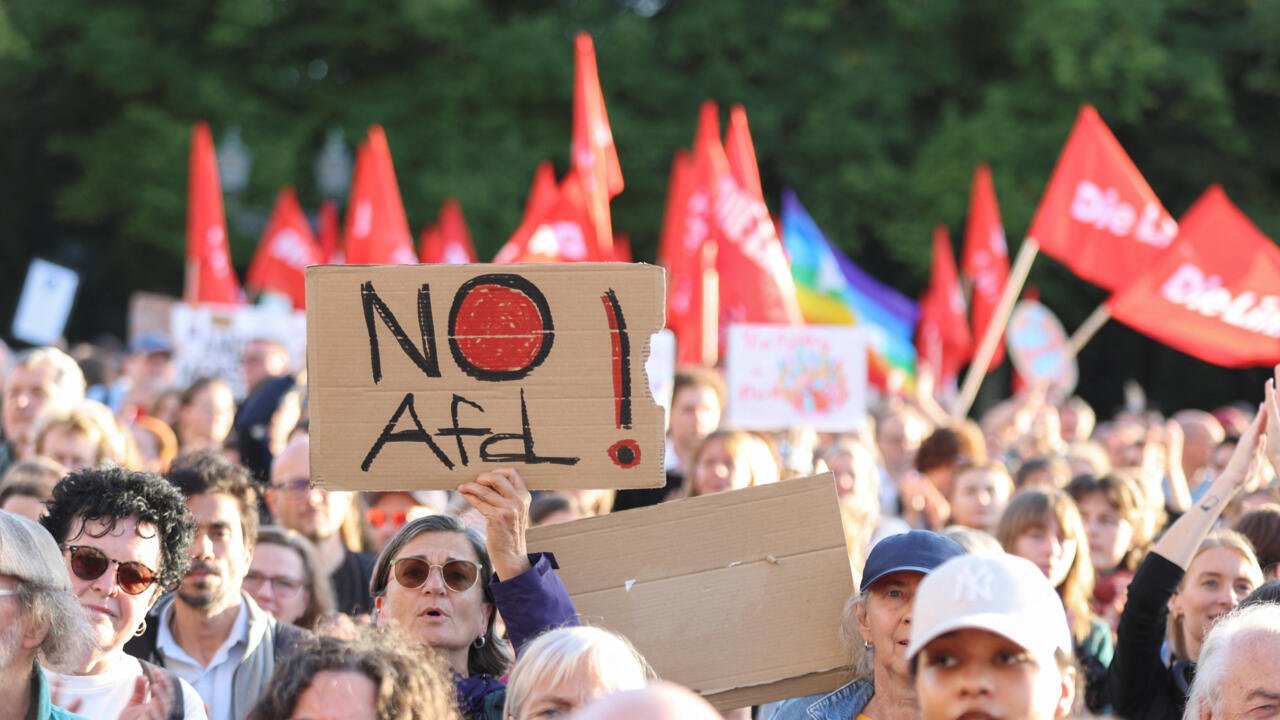
The Rise of Far-Right Politics in Europe: What’s Next?
Recent election results have sent shockwaves through Germany and the broader European landscape. The far-right party, Alternative für Deutschland, has managed to secure a significant win against the ruling conservatives in Saxony-Anhalt, an area that has long faced economic hardship. This shift raises important questions about the implications of supporting an anti-immigrant, pro-Russian party that advocates for a revisionist view of history in education.
The Impact of the Recent Election
While the far-right party may not have achieved a clear majority, their presence signals a growing trend that cannot be ignored. The implications of voting for a party that seeks to downplay the atrocities of Hitler while glorifying figures like Bismarck are profound. This political shift begs the question: what does the future hold for traditional European parties?
Is This a Coming Trend?
As we look ahead to other upcoming elections, such as in Sweden and France, the question arises: will this momentum continue to grow? In France, far-right leaders like Marine Le Pen are gaining traction, positioning themselves favorably for the next presidential election.
New Alliances and Normalization
The growing acceptance of far-right ideologies is evident as leaders like Jordan Bardella, head of Le Pen’s party, engage with international leaders and business forums. This normalization of previously fringe parties raises concerns about the political landscape in Europe. What might this mean for the mainstream political options that traditionally counter such movements?
Mainstream Responses
In light of these changes, the challenge for mainstream parties in Germany and France is clear. How will they attract voters who are increasingly swayed by right-wing populism, influenced by figures such as Donald Trump and Vladimir Putin? Political figures like Friedrich Merz in Germany and outgoing Emmanuel Macron in France may find themselves navigating increasingly precarious territory.
Conclusion
The recent election results reflect a troubling trend towards the rise of far-right politics in Europe. With established parties struggling to win back disenchanted voters, a significant shift in the political landscape seems imminent. The question remains: how will mainstream political options adapt to reclaim their influence and address the concerns of their constituents?
Key Takeaways
- Alternative für Deutschland’s recent win highlights a growing far-right influence in European politics.
- The party promotes a controversial historical narrative, shifting the focus away from Hitler’s atrocities.
- Mainstream parties face significant challenges in regaining support from voters swayed by right-wing populism.
- Upcoming elections in Sweden and France will be critical in determining the future of far-right movements in Europe.