

Debate Over Genocide Accusations Against Inuit Community
The complex aftermath of Denmark’s controversial policies towards the Inuit community is under scrutiny as Greenland’s justice minister states that the government is unable to conclude definitively whether genocide occurred. The focus stems from a review of the use of forced contraception during the 1960s and 70s, an issue that has sparked significant debate.
Government’s Position
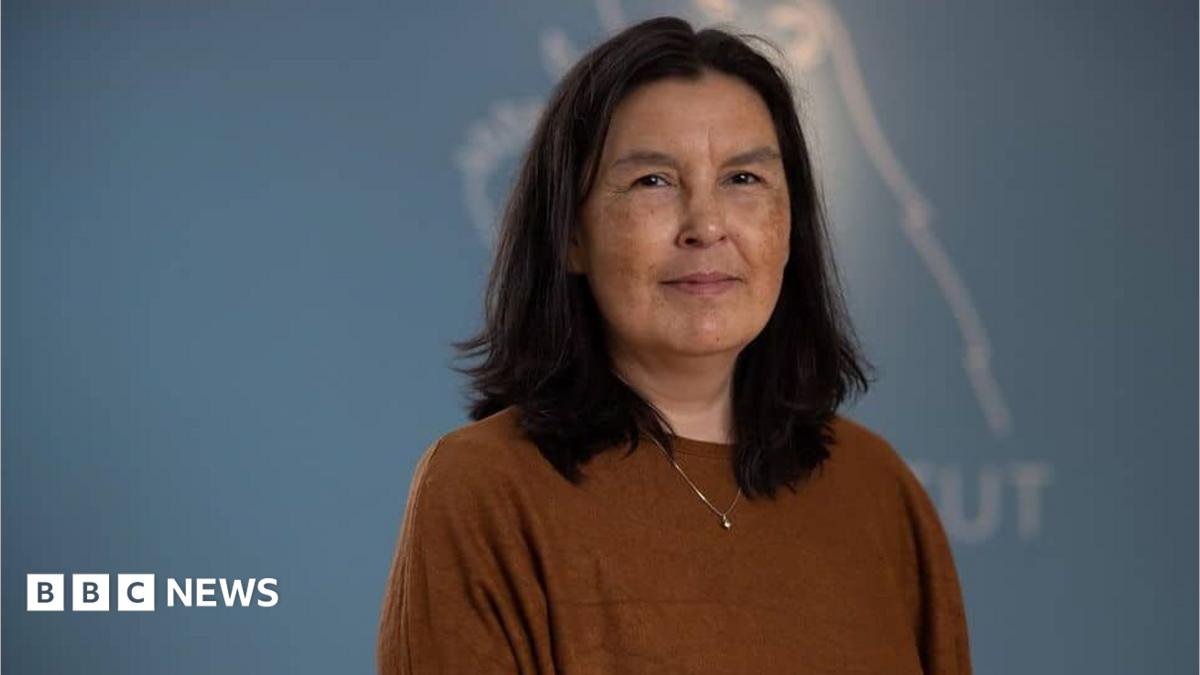
Justice Minister Marianne Paviasen expressed the government’s uncertainty, stating, “We cannot say, on behalf of the government, whether there was genocide.” This complex issue remains open for discussion, particularly following the release of two significant reports that were made public recently.
Background of the Situation
These reports come a year after an apology from Denmark for the treatment of Inuit women and girls in Greenland. Prime Minister Jens-Frederik Nielsen announced the formation of a “reconciliation commission” to address these historical grievances, while Danish Prime Minister Mette Frederiksen assured that the two governments would collaborate moving forward.
Financial Compensation
In a further move towards addressing the injustices of the past, Denmark has enacted a compensation law. This legislation provides 300,000 Danish crowns (approximately £34,404 or $46,800) to each woman affected by these forced contraceptive practices.
Alarming Historical Facts
Records from national archives reveal that between 1966 and 1970, around 4,500 Greenlandic women and girls, some as young as 13, had intra-uterine devices (IUDs) implanted without their informed consent as part of a birth-control program conducted by Danish doctors. This drastic measure contributed to a significant slowdown in population growth among the Inuit community.
Public Outcry and Apologies
In light of these revelations, many women have come forward, claiming they were fitted with IUDs without their knowledge. In August, Frederiksen issued a formal apology to the affected women and their families, acknowledging the “systematic discrimination” they faced.
Expert Opinions on Genocide
In 2024, former Greenlandic Prime Minister Mute B Egede referred to these practices as “genocide.” Under the UN Convention on the Prevention and Punishment of the Crime of Genocide, one definition encompasses “imposing measures intended to prevent births” within any designated group.
A panel of four experts was assembled to determine whether human rights violations had occurred and if these met the criteria for genocide. However, the panel fractured, resulting in two members resigning to draft a separate report.
The remaining experts, Alaskan attorney Dalee Sambo Dorough and University of Copenhagen law professor Miriam Cullen, concluded that while the rights of Inuit women had indeed been violated, they could not definitively claim genocide occurred based solely on contraceptive practices. They noted that evidence suggesting genocidal intent by Denmark could potentially be inferred but would require investigation beyond the scope of their report, including the forced removal of Inuit children for adoption by Danish families.
Contrasting Findings
The alternative report, authored by Jonas Christoffersen, a former leader at the Danish Institute for Human Rights, and psychologist Jensine Nedergaard, acknowledged the injustices faced by women but found no substantive evidence that any authority intended to dismantle the Greenlandic population.
Conclusion
The diverging conclusions of these reports highlight the ongoing complexities surrounding this issue, indicating that discussions about historical injustices and potential genocide are far from settled within the Greenlandic community.
Key Takeaways
- The Greenlandic government is undecided on whether genocide occurred regarding past contraceptive practices.
- Denmark has issued apologies and compensation to women affected by forced contraception policies.
- Expert opinions on the matter remain divided, with varying conclusions drawn from investigations.
- The situation emphasizes the need for continued dialogue and reconciliation between Denmark and Greenland.