

Germany Seeks Dismissal of Nicaragua’s Genocide Case at ICJ
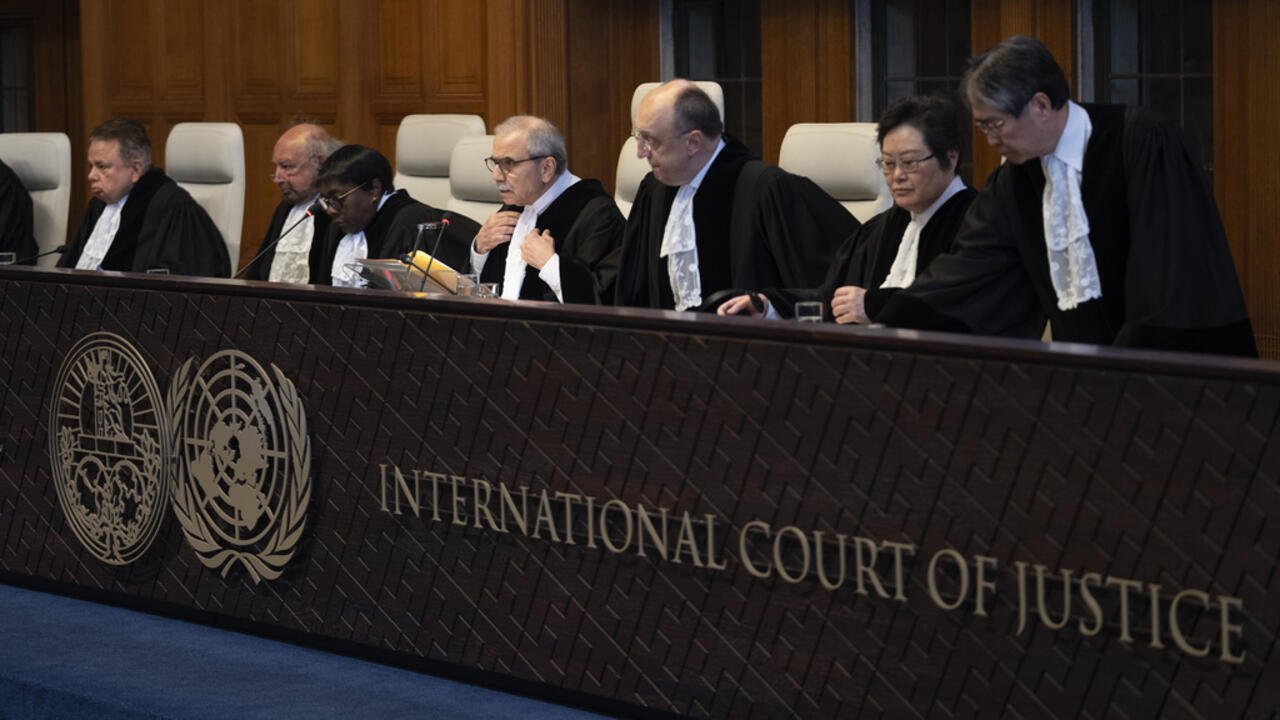
Germany is set to appeal to the International Court of Justice (ICJ) on Monday, requesting dismissal of a case initiated by Nicaragua. The Central American nation claims that Germany has been “facilitating genocide” through its support of Israel. Over the next four days, German lawyers will present their arguments at the court located in The Hague, which is responsible for resolving disputes between nations.
The Background of the Case
This legal situation dates back to 2024, following Israel’s military campaign in Gaza. Nicaragua has urged the ICJ judges to implement emergency measures that would require Germany to cease all forms of aid to Israel, particularly military supplies. Previously, in April 2024, the ICJ rejected Nicaragua’s emergency request, stating that the current circumstances did not warrant such immediate orders. Despite this setback, the case continues, and Germany is now trying to eliminate it by convincing the judges that they lack jurisdiction or that Nicaragua’s claims are unfounded.
Germany’s Legal Strategy
Germany has filed what are known as “preliminary objections,” challenging both the court’s authority and the validity of certain claims made by Nicaragua, as noted in an ICJ statement. The specifics of Germany’s legal stance have not yet been disclosed to the public.
Proceedings Overview
After Germany presents its arguments on Monday, Nicaragua will have the opportunity to respond. Both nations will then have a chance for further discussion on Wednesday and Thursday. Generally, the ICJ takes roughly six months to arrive at a decision in cases like this one. The court can either rule in favor of Germany and dismiss the case outright or decide against it, which would lead to a more comprehensive evaluation of the substantive issues involved.
Claims of Genocide and Responses
During earlier court sessions in April 2024, Nicaragua described Germany’s position as “pathetic” for continuing to provide aid to Gaza while supplying weapons to Israel. Nicaragua’s ambassador, Carlos Jose Arguello Gomez, criticized Germany, stating, “Germany seems not to be able to differentiate between self-defense and genocide.” In response, Germany characterized Nicaragua’s accusations as “grossly biased,” firmly denying any violation of the 1948 UN Genocide Convention.
Context of the Conflict
The conflict escalated when Israel initiated its offensive in Gaza following the deadly October 7, 2023, attacks orchestrated by Hamas militants. Given Germany’s historical context, particularly regarding its Nazi past, the country has made Israel’s security a cornerstone of its foreign policy. Representatives from Germany emphasized in court that their arms trade with Israel undergoes “detailed scrutiny” that exceeds standard international legal requirements.
Other ICJ Cases
This case is distinct from another high-profile matter currently before the ICJ, where South Africa has charged Israel with committing genocide in Gaza, an allegation that Israel vehemently disputes. While the ICJ’s decisions are binding, it lacks mechanisms for enforcement. For instance, a previous order for Russia to halt its invasion of Ukraine remains unheeded by the Kremlin.
Conclusion
The ongoing legal battle at the ICJ encapsulates significant geopolitical tensions and humanitarian concerns. As hearings unfold, the decisions made could have far-reaching implications for international relations and the accountability of nations in conflict.
Key Takeaways
- Germany aims to dismiss Nicaragua’s case claiming it facilitates genocide through support for Israel.
- The ICJ is currently reviewing preliminary objections regarding jurisdiction and claim validity.
- Nicaragua accuses Germany of hypocrisy, providing aid to Gaza while supplying weapons to Israel.
- The ICJ’s rulings are binding but lack enforcement power.