

Singapore Emphasizes Right to Free Passage in Global Waterways at UN
During a recent high-level debate at the United Nations, Singapore asserted the fundamental right to uninterrupted passage through international waterways, amid ongoing closures of the Strait of Hormuz. Minister of State for Foreign Affairs, Zhulkarnain Abdul Rahim, made it clear that transit in straits utilized for international navigation should be recognized as a stringent right established by international law, rather than a negotiable privilege.
Importance of Navigation Rights
Speaking on April 27, Rahim highlighted the critical importance of safeguarding freedom of navigation. He stated that any deterioration of international law in one part of the world could pose significant risks elsewhere. The Strait of Hormuz, a vital waterway responsible for transporting approximately 20% of global oil shipments, has faced severe disruption since conflict erupted in Iran due to various military actions starting February 28.
Despite a temporary ceasefire halting large-scale hostilities, Iran’s Revolutionary Guards have expressed no intention of reopening this crucial route. Simultaneously, the United States has implemented a naval blockade affecting Iranian ports further complicating the situation.
Concerns Over Tolls in Strategic Waterways
Adding to the complexity, recent discussions emerged regarding potential tolls on vessels navigating the Malacca Strait. Indonesian Finance Minister Purbaya Yudhi Sadewa initially broached the idea, only to later clarify that Indonesia had no plans to implement such fees.
The Stakes of Passage Rights
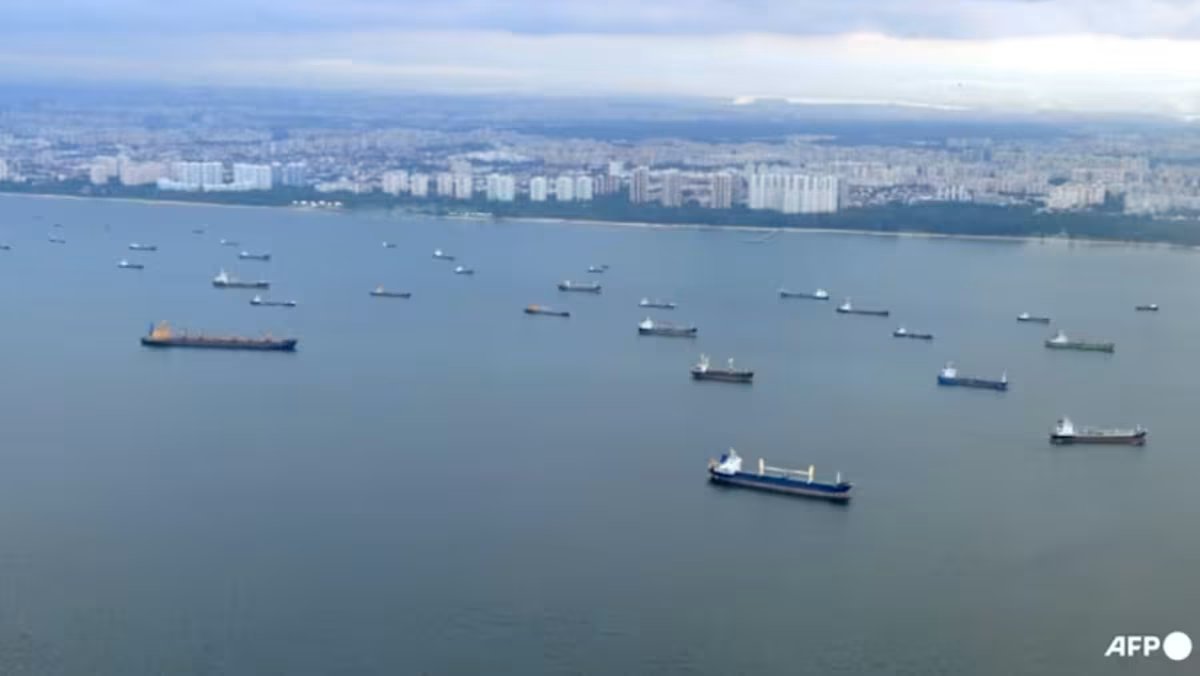
Rahim pointed out that the Straits of Malacca and Singapore collectively facilitate the transit of approximately 23.2 million barrels of oil per day, surpassing the 20.9 million barrels per day that typically pass through the Strait of Hormuz. He underscored the narrowness of the Malacca Strait, which narrows to just two nautical miles at its most constricted point.
“For Singapore, the stakes involved are very real,” Rahim emphasized. He warned that not upholding the right to transit passage could significantly disrupt international shipping lanes. This issue, he remarked, extends beyond mere legal debates; it bears serious ramifications for global economic stability and security.
Global Implications Under UNCLOS
The Minister of State reinforced that the framework provided by the United Nations Convention on the Law of the Sea (UNCLOS) governs transit passage and is vital for the maintenance of international trade flows. He declared that this matter represents a critical concern for Singapore as well as the global community.
Conclusion
In conclusion, Singapore’s firm stance on the right to free passage in international waterways underscores the importance of adherence to international laws governing navigation. The current situation in the Strait of Hormuz exemplifies the potential consequences of neglecting these rights, impacting not just regional dynamics but global economic stability.
- Singapore affirms the right to free passage through international waterways at the UN.
- Minister Zhulkarnain warns that erosion of international law sets a dangerous precedent.
- Strait of Hormuz closures raise concerns over global oil supply routes.
- Issues of navigation rights affect economic security on a global scale.