

Timeline of Alarming Alerts: A Night of Fright
On a tense Sunday night in Kyiv, residents received a series of unusual alerts that sent shockwaves through the city. Typically accustomed to receiving notifications warning them of incoming Russian drones or missiles, the local population is generally desensitized to the sounds of alerts and sirens. However, this night was markedly different, as the alerts detailed potentially catastrophic threats—including warnings of nuclear radiation, chemical attacks, and even reports of street fighting within the capital.
Details of the Alerts
Within a span of just over an hour, the following messages were broadcast:
- 22:47: “Radiation threat. Radiation threat declared in Kyiv.”
- 22:48: “Hi! There will be a nuclear alert across Ukraine. Don’t worry, it’s Oreshnik flying.” (This message was transmitted in Russian)
- 22:49: “Chemical threat. There is a threat of a chemical attack on Kyiv. Don’t go outside.”
- 22:49: “Street fighting threat. Street fighting is taking place in Kyiv. Don’t go outside.”
- 23:53: An all-clear message was sent out.
A Cyberattack on Emergency Alert Systems
The alarming notifications were later revealed to be the result of a cyberattack on an emergency alert mobile application in Kyiv. Ukrainian authorities took to Telegram to inform the public that unauthorized individuals had compromised the system. The alert channel cautioned users against clicking on any links in suspicious notifications. In a reassuring message, the Air Force advised, “The Air Alarm application has likely been subjected to hostile interference. There is no radiation threat! Stay calm and follow our updates on our channel.”
Broader Context: Cyberattacks Across Europe
Meanwhile, a similar wave of cyberattacks hit various supermarkets across Europe, notably in Ireland and Estonia, where hackers tampered with freezer temperatures in several stores. SuperValu, Ireland’s third-largest supermarket chain, reported incidents in 13 of its locations, resulting in spoiled goods that had to be discarded. Similarly, reports from Estonia indicated that hackers manipulated refrigeration systems, causing significant disruption.
Escalating Tensions and Ongoing Conflicts
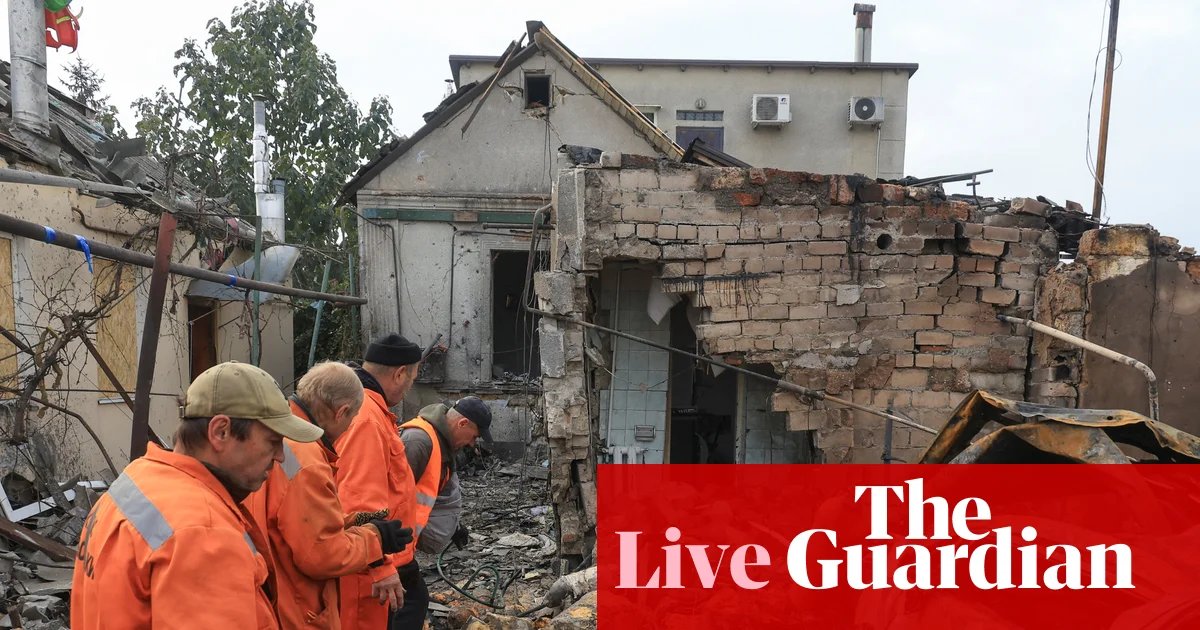
As these false alerts played out in Ukraine, real military actions were also taking place. Russia resumed its attacks on the southern city of Kherson just hours after a brief ceasefire ended, targeting a medical facility and causing damage but thankfully no reported injuries. This surge in aggression coincided with the previously mentioned cyberattacks, adding to the atmosphere of uncertainty and fear within the region.
Community Reactions
In the aftermath, many Kyiv residents expressed their feelings about the false alarms. While some dismissed the alerts, others were understandably shaken. One woman shared, “I was briefly terrified. I lay on my bed and wondered what was coming.” The messages contained errors and inaccuracies, with some written in a tone that felt casual amidst the serious threats, further raising suspicion regarding their legitimacy.
Conclusion
The series of alarming alerts in Kyiv serves as a stark reminder of the precarious situation facing the region. In an environment already fraught with tension and conflict, the impact of cyberattacks goes beyond mere technology, striking at the psychological resilience of its citizens. The experience underscores the importance of reliable communication systems in navigating such crises.
Key Takeaways
- A series of false warning alerts in Kyiv stirred panic among residents on a Sunday night.
- The alerts were later confirmed to be the result of a cyberattack on an emergency notification system.
- Parallel cyber incidents affecting supermarkets in Europe highlighted a broader issue of cybersecurity threats.
- The situation in Kherson intensified as real military actions resumed following a brief ceasefire.