

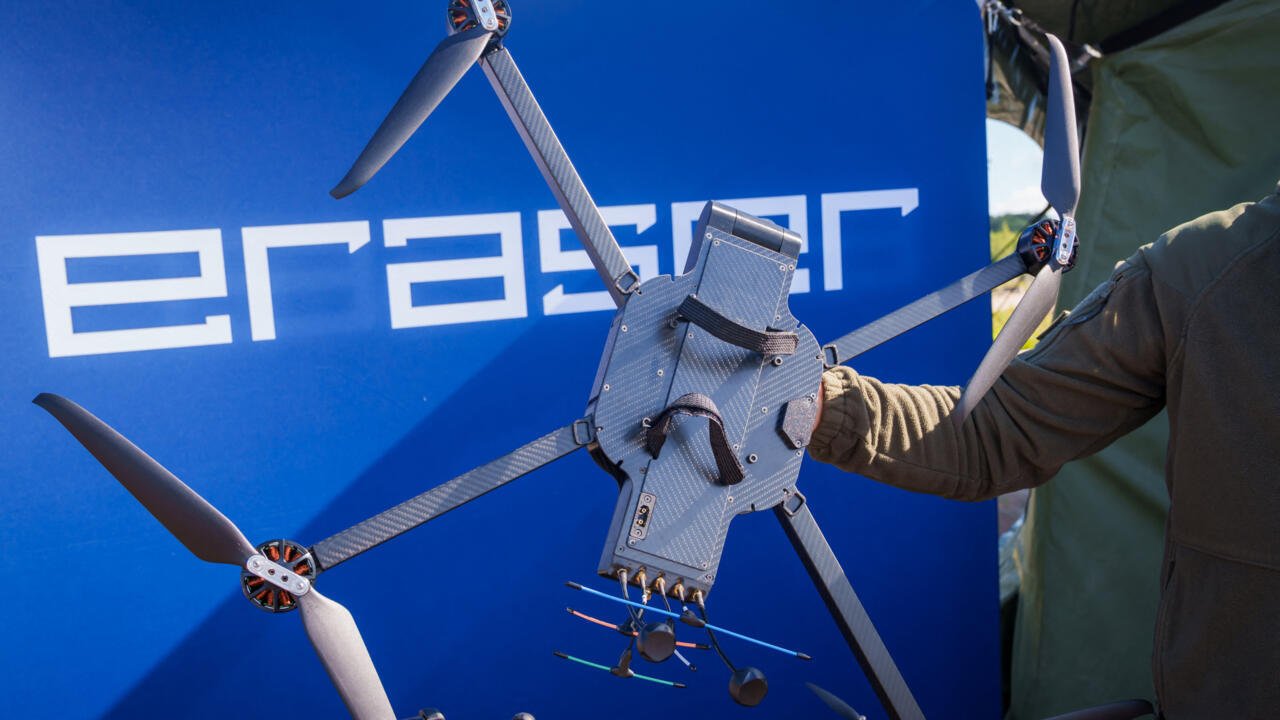
The Rapid Evolution of Military Technology in the Baltic States
The ongoing conflict in Ukraine has underscored a critical lesson: military technology is advancing at breakneck speed. This new era, characterized by the world’s first drone conflict, poses significant challenges for traditional armies attempting to secure victories on the battlefield. Yet, it also raises concerns about a potentially grim future where everyday civilians become targets for remote-controlled drones operated from afar. The Baltic nations—Lithuania, Latvia, and Estonia—are keenly aware of these dynamics and are leveraging their entrepreneurial spirit to develop cutting-edge defense technologies in response to the crisis.
Embracing Defense Innovation
Since Russia intensified its military aggression against Ukraine in February 2022, the startup ecosystem in the Baltic region has pivoted significantly toward defense technology development. Companies in this area have gained international recognition, and experts suggest that innovative solutions from these startups could serve as both cost-effective and scalable deterrents against Russian threats. Tony Lawrence, a research fellow at the International Centre for Defence and Security, explains that “startups can rapidly develop technologies themselves,” focusing on niche solutions that larger defense firms often overlook.
Key Areas of Focus
The startups in the Baltics are honing in on various technological domains, including:
- Autonomy: Integrating AI with hardware, drones, and edge computing to facilitate operations in environments lacking GPS or effective communication.
- Software and Cybersecurity: Enhancing digital security and resilience against cyber threats.
- Electronic Warfare: Developing technologies to counteract adversarial communication and targeting capabilities.
Strategic Awareness and Hybrid Threats
The Baltic states are acutely aware of their vulnerabilities, particularly in the face of ongoing hybrid warfare tactics employed by Moscow. Lawrence indicates that the current rearmament efforts by the Baltics and NATO specifically address the potential for Russian aggression against member states. He adds that the hybrid threat remains a pressing concern, emphasizing the importance of proactive measures.
Countering Propaganda and Misinformation
Alongside conventional military threats, the region grapples with persistent disinformation campaigns. Darius Antanaitis, a defense analyst from Lithuania, notes that the lingering memories of Soviet occupation have left many in the region fluent in Russian, facilitating the spread of Russian propaganda. One promising AI startup addressing this challenge is Repsense, based in Vilnius. This company focuses on identifying the sources and dissemination paths of propaganda, with the goal of neutralizing its impact before it can spread widely.
Another notable venture is DefSecIntel in Tallinn, which specializes in surveillance for borders and critical infrastructure. This firm aims to conceptualize the hybrid warfare landscape and develop responsive strategies.
Investment in Defense
Faced with uncertainty around U.S. security commitments in Europe, the Baltic nations have significantly increased their defense spending. Lithuania plans to allocate over 5% of its GDP to defense by 2026, making it the highest among NATO allies. However, Lawrence points out that while financial commitments are substantial on paper, the actual funds available to startups remain limited, as priorities often lean toward conventional armaments and long-range weaponry.
Encouraging Startup Growth
Despite these challenges, there are signs of progress. Estonia is creating a more supportive environment for its defense companies through various grant programs aimed at fostering both domestic and export markets. The vibrant startup culture in the Baltic states facilitates rapid technological advancements and innovation.
A Culture of Innovation
The emergence of the Baltic states as independent nations in the early 1990s allowed them to build their governance and digital infrastructures from the ground up. This lack of legacy systems nurtured an innovative mindset that persists today. Strong public support for defense initiatives means that citizens are ready to contribute, potentially including attracting venture capital to support defense-focused startups.
Ultimately, the hope is that the swift pace of innovation will serve as a deterrent. Estonia, in particular, aims to instill a sense of caution in Russia, signaling that it cannot rely solely on its existing military technology without accounting for Estonia’s capacity to adapt and counter new threats.
Conclusion
The defense landscape in the Baltic states is rapidly evolving as startups and established companies alike harness technology to address modern warfare’s complexities. As these nations invest significantly in innovation, the aim is not only to defend against threats but also to deter potential aggressors through advanced capabilities.
Key Takeaways
- The rapid evolution of military technology is reshaping defense strategies in the Baltic states.
- Startups are focusing on autonomy, cybersecurity, and electronic warfare to combat hybrid threats.
- Public support for defense initiatives fuels a culture of innovation in the region.
- Investment in defense structures is crucial, but startups often face challenges accessing sufficient funds.