

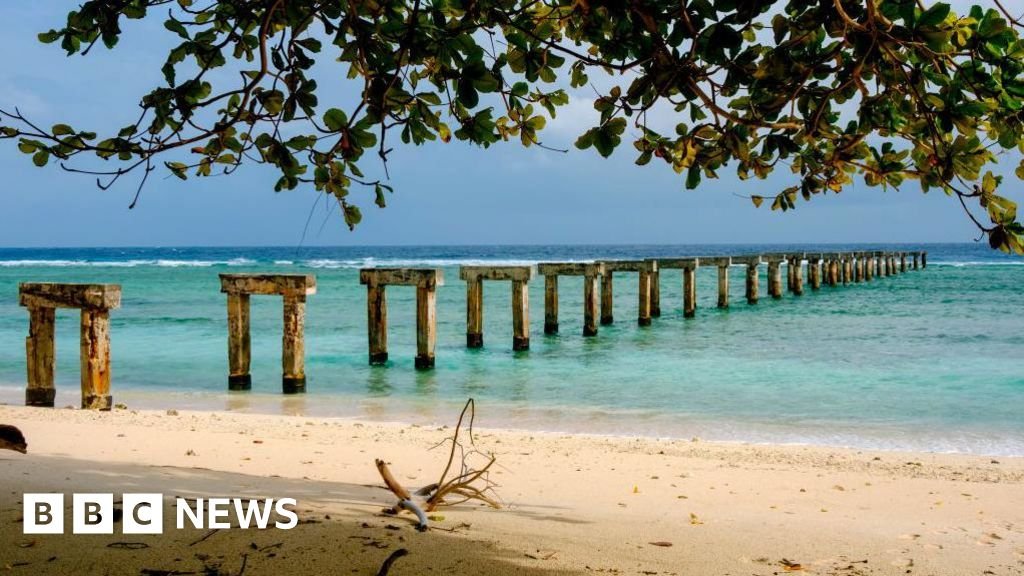
International Tribunal Ruling on Taiping Island’s Status
In a landmark decision in 2016, an international tribunal designated Taiping Island as a “rock” according to the United Nations’ Convention on the Law of the Sea. This classification significantly impacts Taiwan’s rights to maritime resources in the region.
The Implications of the Ruling
As a result of this designation, Taiwan is entitled only to 12 nautical miles of resource rights surrounding Taiping Island, rather than the 200 nautical miles afforded to a full-fledged island. This distinction carries substantial implications for maritime entitlements and resource exploration in one of the world’s busiest shipping lanes.
Understanding the Classification
The decision categorizes Taiping Island, which is the largest feature in the Spratly Islands, as lacking the necessary characteristics to support human habitation or economic life on a sustainable basis. This classification limits Taiwan’s access to valuable fishing areas and potential undersea resources.
Responses from Taiwan and the Region
Following the tribunal’s ruling, Taiwan reaffirmed its claim over the island and expressed its intention to continue efforts to assert its rights. The situation remains a point of contention, not only between Taiwan and the tribunal but also among other nations in the region with competing claims.
Conclusion
The 2016 ruling on Taiping Island highlights ongoing geopolitical tensions in the South China Sea. As countries navigate their maritime rights and related resources, the implications of this decision will continue to unfold in complex ways.
- The 2016 ruling classified Taiping Island as a “rock,” limiting Taiwan’s maritime resource rights.
- Only 12 nautical miles of rights are granted instead of the usual 200 nautical miles for islands.
- This designation affects access to fishing areas and potential undersea resources.
- The decision fuels ongoing territorial disputes in the South China Sea.