

Political Tensions and Military Developments in Eastern Europe
Recent events illustrate the ongoing political and military tensions in Eastern Europe, particularly between Hungary, Ukraine, and Russia. This article delves into leaked conversations, contentious EU sanctions, and military incidents that highlight the complex relationships among these nations.
Leaked Conversations Spark Controversy
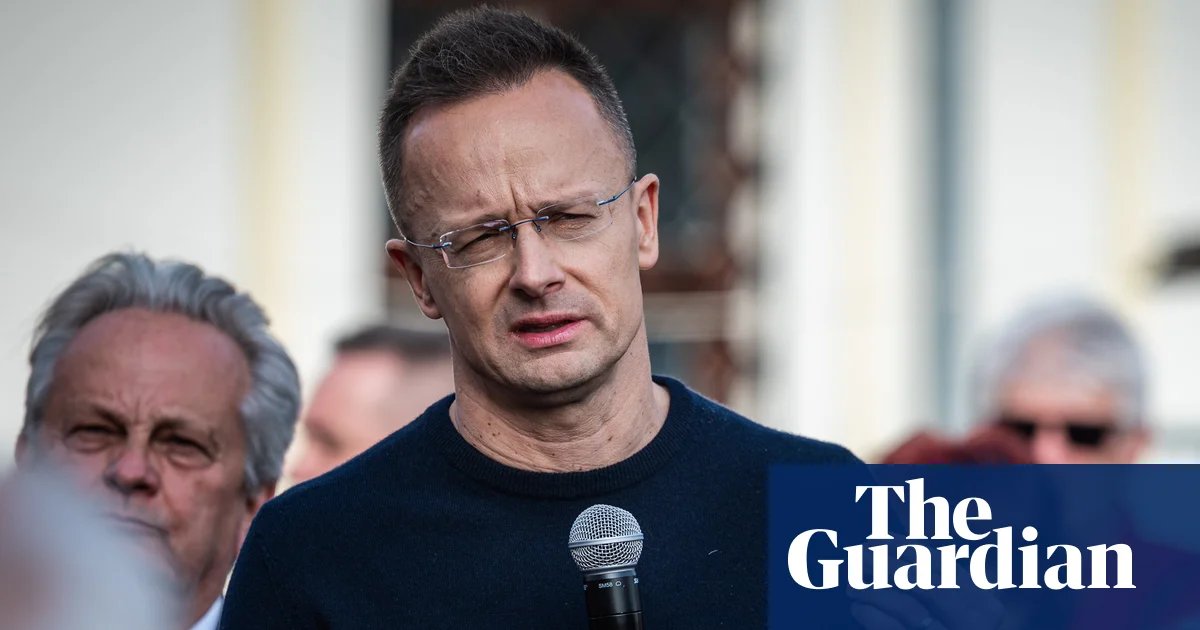
Ukraine’s Foreign Minister, Andriy Sybiga, has called for an investigation following the emergence of leaked audio that suggests Hungary’s Foreign Minister, Péter Szijjártó, communicated with Moscow about modifying EU sanctions to favor Russia. In response, Sybiga described these discussions as “obsequious reporting to Russian patrons,” deeming them disgraceful and deserving of scrutiny.
The controversy came to light just days before a significant election in Hungary, where Prime Minister Viktor Orbán faces intense competition after 16 years in power. According to reports based on the leaked calls, Szijjártó expressed his readiness to assist Russia in adjusting sanctions affecting them, stating, “I am always at your disposal.” While Szijjártó acknowledged the calls, he claimed they were intercepted and made public maliciously ahead of the elections, labeling the situation as a “huge scandal.”
Ukraine’s Frustrations with Hungary
Ukrainian President Volodymyr Zelenskyy criticized Hungary for its close ties with Moscow, especially as the country has blocked substantial EU financial support vital for Ukraine’s recovery. Hungary’s veto of a €90 billion loan package has placed extreme financial pressure on Ukraine, delaying essential preparations for the approaching winter.
Zelenskyy emphasized the urgency of accessing funds for recovery, stating, “Because the €90bn support package is still blocked, we cannot use the €5bn planned for protection and recovery.” He attributed Hungary’s obstruction to a single individual prioritizing Russian interests over broader European unity.
Efforts for Peace Negotiations
In a related development, President Zelenskyy mentioned plans to consult US mediators regarding Kyiv’s proposal for a ceasefire during Easter-related energy strikes against Russia. He indicated that a virtual meeting would take place with US negotiators and NATO Secretary General Mark Rutte to discuss ongoing peace negotiations.
This year has seen three rounds of high-level trilateral talks involving the US, Russia, and Ukraine, aimed at resolving what has become Europe’s bloodiest conflict since World War II. However, a fourth round originally scheduled for this month was postponed due to escalating tensions surrounding Iran.
Visits and Commemorations
In a show of solidarity, Kaja Kallas, the European Union’s top diplomat, alongside several EU foreign ministers, visited Bucha—a town marked by tragedy following the massacre conducted by Russian forces early in the Ukraine invasion. Kallas insisted on the necessity of holding accountable those responsible for Russian atrocities, describing Bucha as a stark reminder of the stakes involved.
Tragic Military Incident in Crimea
A tragic accident occurred when a Russian military plane crashed in Crimea, resulting in the loss of 29 lives. The Antonov-26 aircraft lost contact during a scheduled flight, and reports confirmed that all six crew members and 23 passengers perished in the incident. Initial assessments suggest technical issues may have caused the crash.
Russia’s Internet Disconnection Efforts
Zelenskyy recently commented on Russia’s ongoing measures to disconnect its internet from global networks, predicting that Russia could soon revert to outdated forms of communication. He described this move as “a step 100 years back,” with potential severe implications for the millions affected. Unlike Iran’s abrupt internet cuts seen earlier this year, Russia’s approach is more gradual and obscure, characterized by increasing mobile internet disruptions and restrictions on various online platforms.
Conclusion
The political atmosphere in Eastern Europe, particularly affecting Ukraine and Hungary, continues to be fraught with complexities and challenges. The interplay of local and international relations showcases the delicate balance of power and interests in this region.
Key Takeaways:
- Leaked audio suggests Hungary’s Foreign Minister may have communicated with Russia to amend EU sanctions.
- Ukraine’s recovery efforts are hampered by Hungary’s veto over crucial EU financial assistance.
- US-mediated peace negotiations are ongoing despite recent tensions and military incidents.
- Russia is attempting to disconnect its internet from the global network, affecting millions of its citizens.