

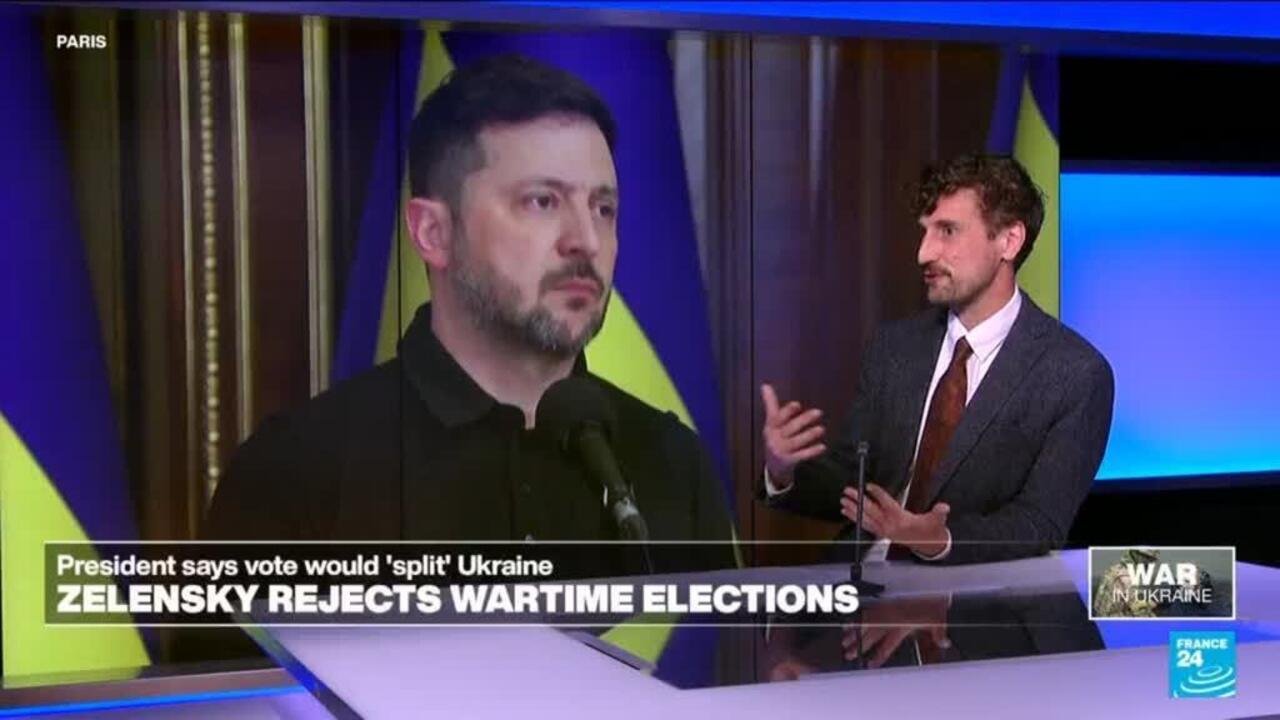
Ukrainian President Zelensky Dismisses Wartime Elections as Unsafe
Ukrainian President Volodymyr Zelensky has firmly declined the idea of holding elections during wartime, deeming it a perilous proposition. This statement follows a suggestion from his former defense minister, Mykhailo Fedorov, advocating for a vote after his dismissal by Zelensky last month. In this article, we explore the implications of Zelensky’s stance on democracy amid ongoing conflict.
The Context of Wartime Elections
The ongoing conflict in Ukraine raises significant questions about the integrity and safety of conducting elections. Zelensky’s refusal highlights the complexities faced by a nation under threat, balancing democratic processes with national security.
Fedorov’s Call for Elections
After being relieved of his duties, Mykhailo Fedorov urged for the organization of elections, emphasizing the need for democratic engagement even in challenging times. His comments have stirred debate about whether democracy should adapt to the circumstances of war.
Zelensky’s Perspective
In his response, President Zelensky articulated the potential dangers of proceeding with elections while the country is in a state of war. His comments resonate with the concerns regarding public safety and the overall stability of the government during such tumultuous times.
The Risks Involved
Conducting elections amidst an ongoing conflict can pose several risks, including:
- Increased vulnerability to external threats during the voting process.
- Disruption of voter turnout and participation due to safety concerns.
- Potential manipulation of the election results amidst chaos.
Implications for Ukrainian Democracy
Zelensky’s position suggests a prioritization of national safety over immediate democratic processes. This decision reflects a difficult balancing act where the preservation of stability is crucial for any future democratic endeavors.
Looking Forward
The question remains: how will Ukraine navigate its democratic future while addressing the realities of war? The dialogue surrounding elections during such a crisis is crucial for understanding the broader implications for governance and civic responsibility.
Conclusion
As Ukraine continues to face significant challenges, President Zelensky’s rejection of wartime elections underscores the complexities of maintaining democratic practices in a time of crisis. While calls for a vote are made, the focus on national safety may take precedence in the immediate future.
Key Takeaways
- Zelensky has dismissed wartime elections as dangerous and impractical.
- The debate follows Fedorov’s call for voting after his dismissal.
- The president’s stance prioritizes national safety over immediate democratic processes.
- Ongoing conflict complicates the future of democratic engagement in Ukraine.