

Recent US Military Strikes Targeting Vessels in the Eastern Pacific
The recent series of U.S. military operations has raised significant concerns, as they mark the fourth deadly assault on vessels in the eastern Pacific Ocean over a span of just four days. In this article, we delve into the details surrounding these operations, the U.S. military’s rationale, and the broader implications of these actions.
Overview of the Recent Attack
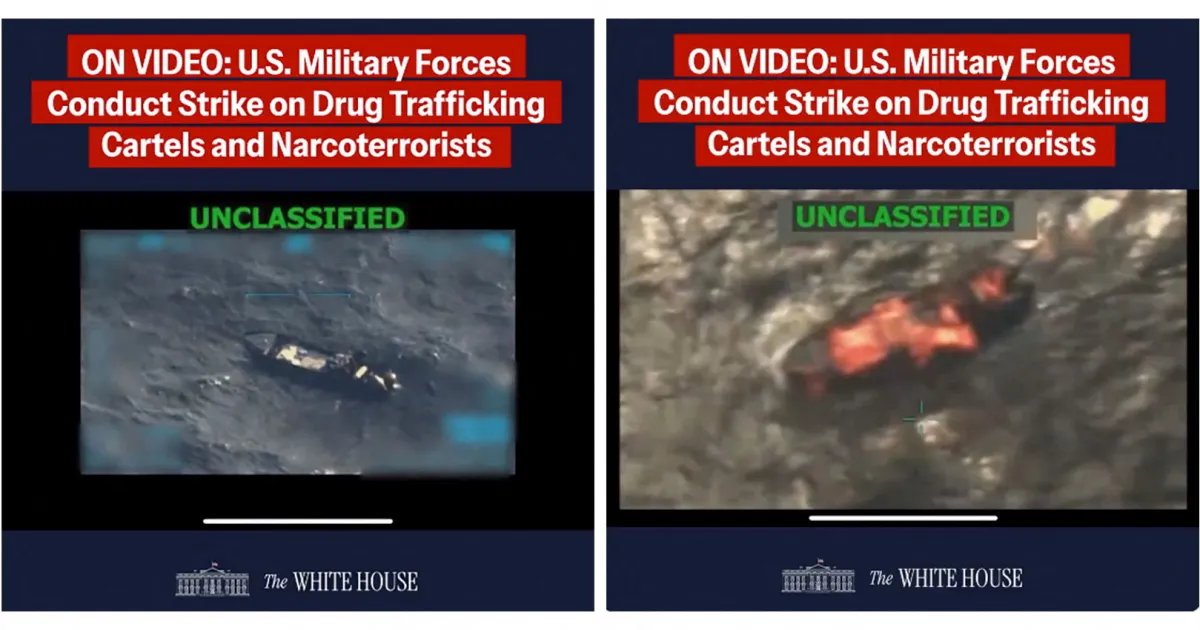
On April 15, 2026, the U.S. Southern Command (SOUTHCOM) announced another deadly strike, which resulted in the deaths of four individuals. Accompanying the announcement, a video was shared showing a stationary boat, equipped with outboard engines, being struck by a missile and erupting into flames.
Claims and Justification
SOUTHCOM, responsible for military operations across Latin America and the Caribbean, has labeled the deceased as “narco-terrorists.” However, the command did not provide any evidence to substantiate this claim. According to their statement, the attack was justified due to intelligence indicating that the vessel was navigating known drug-trafficking routes in the eastern Pacific and was reportedly involved in narcotic operations.
Escalating Death Toll
This recent offensive adds to a growing toll that now stands at a minimum of 175 fatalities since early September, when the U.S. government initiated these attacks. The objective, as outlined by the White House, is to curb the activities of Latin American drug cartels transporting drugs into the U.S.
Previous Strikes and Ongoing Operations
The attack on Tuesday followed a concerning pattern, including two fatalities from a strike on Monday and five lives lost during two separate assaults on Saturday. Reports indicate that the U.S. Coast Guard has halted its search for a survivor linked to the attacks on Saturday.
Legal and Ethical Concerns
Legal scholars and human rights organizations have voiced apprehensions that this military campaign may amount to “extrajudicial killings” occurring in international waters. There are claims that some of the vessels targeted were civilian fishing boats. Critics argue that if any vessels are indeed involved in drug trafficking, those aboard should be prosecuted through legal channels rather than facing lethal military action.
Effectiveness of the Operations
Many analysts have questioned the efficacy of this military strategy, especially considering that the fentanyl responsible for numerous overdose deaths in the U.S. primarily enters via land routes from Mexico. This is where it is manufactured using chemical precursors sourced from China and India, raising further doubt about the focus of the U.S. military operations.
Conclusion
The recent strikes in the eastern Pacific highlight a complex interplay of military action, legal implications, and the ongoing fight against drug trafficking. As the situation continues to develop, it prompts critical questions about international law and the measures taken by governments in the name of combating drug-related crime.
Key Takeaways
- The U.S. military has executed four deadly strikes in the eastern Pacific in just four days.
- SOUTHCOM claims the fatalities are “narco-terrorists,” but has not provided evidence.
- The operations have raised significant legal and ethical concerns regarding extrajudicial killings.
- Questions remain regarding the overall effectiveness of the military campaign against drug trafficking.