

Community Concerns Rise Over Google’s $15 Billion AI Datacentre in Tarluvada
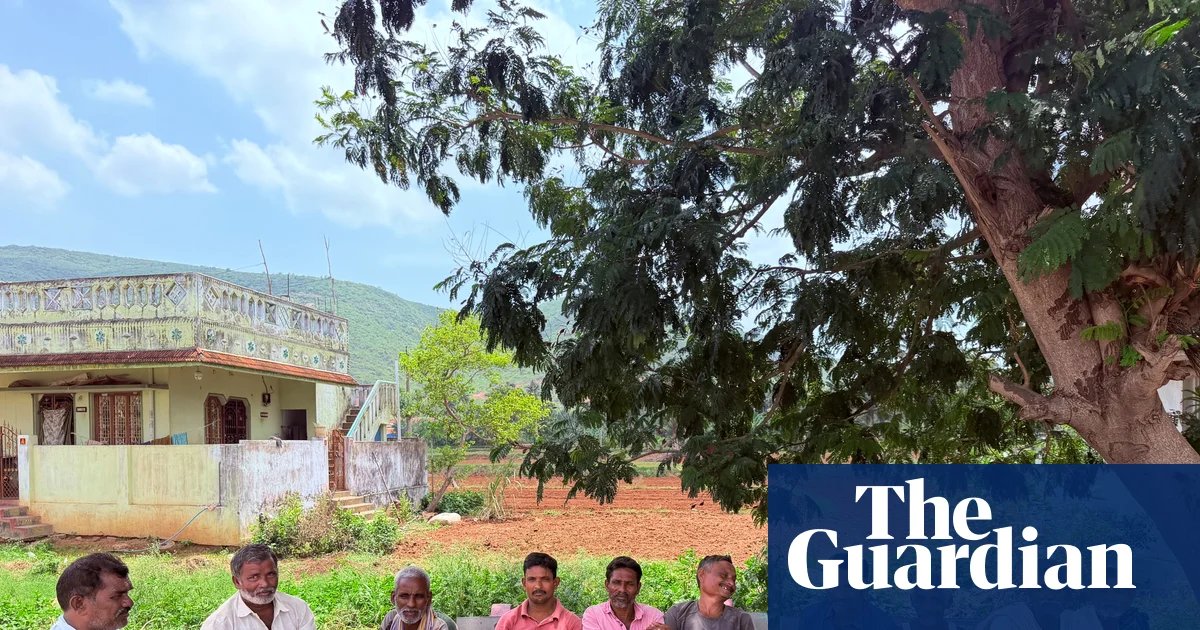
When government officials made their way to Tarluvada last year, they arrived heralding the arrival of a groundbreaking AI datacentre project worth $15 billion. This ambitious endeavor by Google, one of the globe’s tech giants, promises to transform the small village in Andhra Pradesh into a prominent tech hub. However, as excitement gives way to skepticism, local residents voice concerns over what the true costs might be for their community.
The Promise of Prosperity
Officials assured villagers that the AI datacentre would usher in a wave of job opportunities and significantly elevate property values. Tarluvada, previously a quiet, unpaved hamlet surrounded by greenery and farmland, suddenly found itself at the heart of a tech revolution. Yet, for many residents, the concepts of artificial intelligence and datacentres were unfamiliar, leading to growing wariness as initial joy morphed into trepidation.
Growing Resistance
Similar to movements witnessed globally—from California to Australia—protests have erupted in response to the datacentre plans in Andhra Pradesh. Villagers fear the long-term environmental impact and potential economic detriment that could accompany this development. Tarluvada’s village head, BRB Naidu, expressed conflicted feelings regarding the implications of the project, stating, “America does not want the problems of datacentres, so they are bringing them here. Many in the village are very worried, and yet the government has not addressed our questions.”
Environmental and Social Concerns
As construction commenced, local activists voiced fears about the substantial energy demands of the datacentre. While initially described as a 1GW project—already substantial—it was later revealed that it might require up to 2.51GW of power, equivalent to two large nuclear reactors at full capacity. This requirement could account for about 30% of Andhra Pradesh’s annual energy consumption, raising alarms about the strain on local resources.
Despite Google’s assurances of renewable energy solutions, the reality remains that approximately 75% of India’s electricity is sourced from coal, complicating efforts to mitigate environmental consequences. Local leaders and environmental groups are particularly concerned that such a massive project will exacerbate challenges facing the region, including water shortages and increasing temperatures, particularly in a locale already notorious for soaring summer heat.
Community Discontent
Public sentiment has soured further due to allegations of inadequate public consultation during the expedited approval process. Activists have launched legal challenges against the state government, claiming that the environmental assessments conducted were insufficient and misleading. “There was no meaningful evaluation of the ecological damage or economic implications for local communities,” stated VS Krishna, an activist involved in the legal actions.
In a region beset by water scarcity, the impact of the datacentre on local supplies has been a significant source of worry. Although Google insists it will utilize air-cooling instead of water-based methods, residents remain skeptical. Farmer Venkat Surynarayana articulated the prevailing anxiety, stating, “What if this makes our land dry and worthless? What will happen to my crops and my livelihood?”
Government Response and Local Perspectives
For the Andhra Pradesh government, this partnership with Google represents a leap towards modernity and a commitment to developing a competitive digital landscape in India. Government officials have touted the potential for significant economic growth, offering generous incentives to Google, including tax breaks and cheap access to utilities, amounting to 220 billion rupees over 20 years.
However, members of the local community, many of whom are from marginalized backgrounds, express feeling coerced into surrendering their land. Despite claims of generous compensation, those affected like P Venkat Rao find themselves uprooted and without support, lamenting, “Without my land, I am nothing.”
Conclusion
As the Tarluvada community grapples with the impending changes, the balance between technological advancement and environmental sustainability remains precarious. The villagers’ calls for transparency and genuine engagement must be heard to ensure that progress does not come at the expense of their homes and livelihoods.
- Google’s datacentre project in Tarluvada promises economic growth but has sparked community concern.
- Residents question the environmental impact and rapid approval processes surrounding the project.
- Local farmers express fear over losing their land without adequate compensation or support.
- Activists are legally challenging the government’s environmental assessments and the project’s approval.