

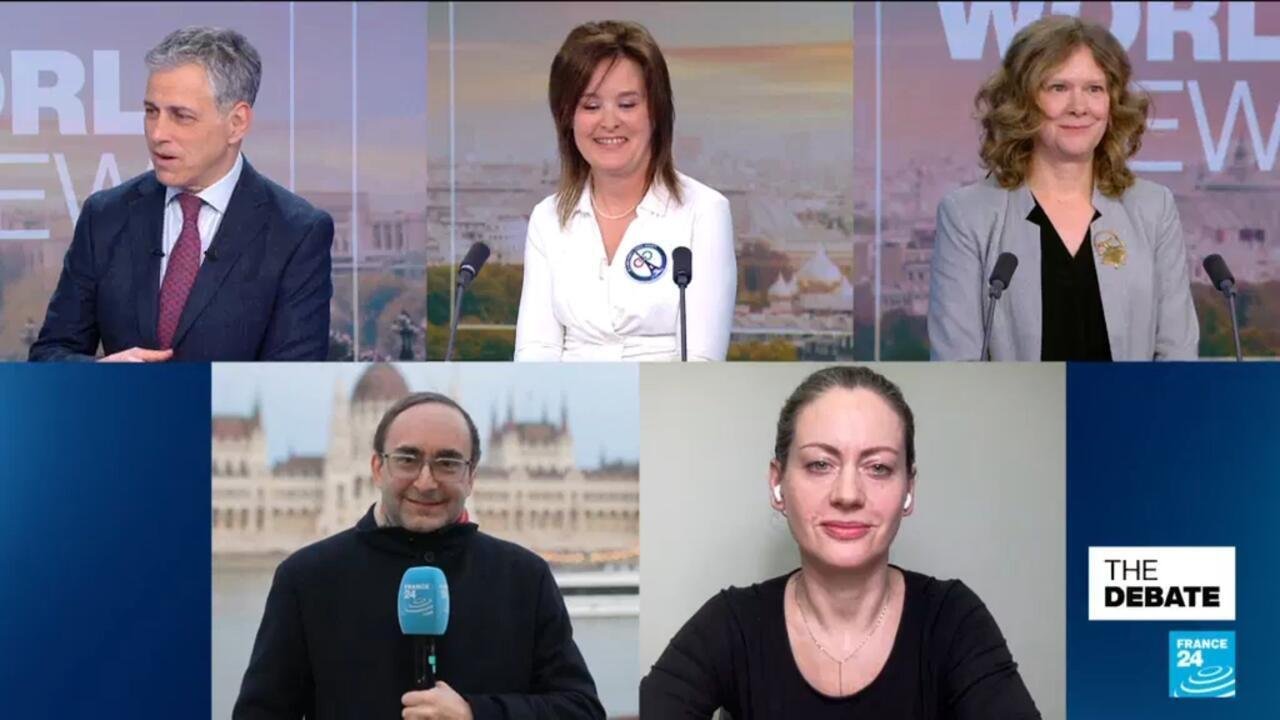
The Shift in Hungary: A New Era Post-Orbán
In a significant turn of events, Hungary has recently seen a dramatic political shift with the departure of Viktor Orbán. After 16 years of unwavering leadership, his far-right regime faced a formidable challenge during a record voter turnout. This article delves into the reasons behind the fall of a leader previously considered untouchable and explores the implications of this change for Hungary and its relations with Europe and beyond.
The Rise and Fall of a Controversial Leader
Viktor Orbán, known for his controversial governance style that embraced an illiberal agenda, has long held a prominent position in Eurosceptic circles. Yet, recent electoral trends signal a robust desire for transformation among the Hungarian populace. Peter Magyar, the soon-to-be Prime Minister, has expressed that this election was not merely about changing the government but represents a significant shift in Hungary’s political landscape. With his new pro-EU stance, he emphasizes the intent to undo the extensive power consolidation that characterized Orbán’s regime.
Challenges Ahead
As Magyar prepares to assume leadership, he faces the daunting task of navigating Hungary’s complex relationship with Russia, particularly regarding energy dependence. With the new government in place, questions loom about how Hungary will approach the Kremlin in the forthcoming months. Despite a sigh of relief from Brussels and Kyiv, there is uncertainty about whether Hungary can maintain a cooperative stance or if the country will revert to its previous Eurosceptic inclinations.
International Reactions
The repercussions of Hungary’s political shift are echoing beyond its borders. European leaders are cautiously optimistic, relieved to see the end of Hungary’s alliance with other radical right factions in Europe. However, it remains to be seen how this will influence Hungary’s foreign policy and its role within the European Union, especially as tensions with larger powers do not simply fade away.
Conclusion
Hungary is poised at a crossroads, with the potential for significant change under new leadership. The electorate’s desire for a genuine regime change indicates a collective drive towards a more integrated and cooperative European stance, moving away from the isolationist tendencies of the past.
Key Takeaways
- Hungary votes for substantial political change after 16 years under Viktor Orbán.
- Peter Magyar plans to reverse Orbán’s consolidation of power and align more closely with the EU.
- The nation’s relationship with Russia remains a critical challenge moving forward.
- European leaders express relief, but uncertainties about Hungary’s future positions linger.