

Impact of the Kakhovka Dam Breach on the Battlefield
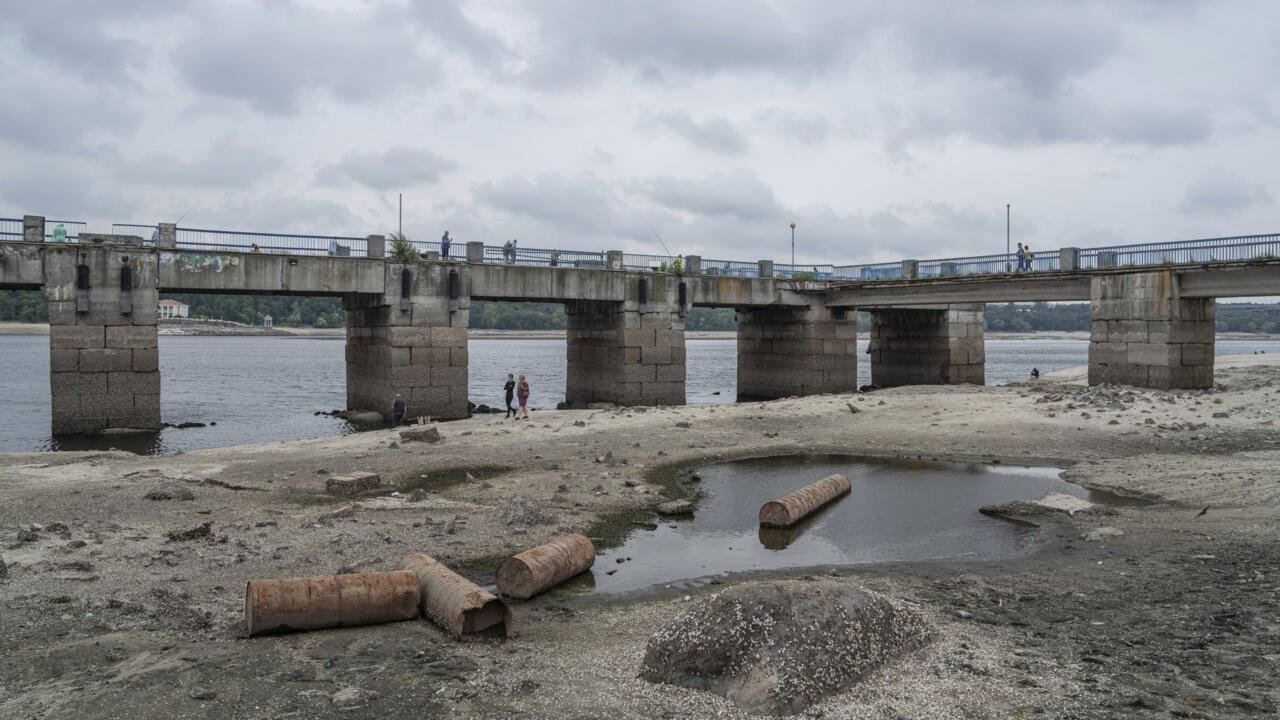
In June 2023, the detonation of the Kakhovka Dam by the Russian Army revolutionized the surrounding landscape. The vast expanse of water, once so significant that locals affectionately referred to it as a “sea”, resulted in devastating flooding downstream. Meanwhile, the area upstream transformed dramatically, as lush flora overtook the land that had been submerged for decades. This altered environment has become a new battleground for Russian and Ukrainian forces, with the changes complicating traditional combat strategies.
New Combat Dynamics in a Transformed Landscape
With drones now prevalent on the frontlines in Ukraine, their effectiveness diminishes in the dense thickets of the former basin. Various media outlets have captured the intense skirmishes occurring in this marshy terrain. Ukrainian troops have adopted tactics to track and ambush Russian infantry units trying to penetrate the area, engaging in direct confrontations by moving into the tree line.
The Strategic Challenge of Crossing the Dnipro River
According to Emil Kastehelmi, a military analyst associated with the Finnish Black Bird Group, the explosion of the dam led to a significant drop in the reservoir’s water level, revealing a narrower river and exposed riverbed. “Even in its narrower form, the Dnipro River remains a formidable barrier for Russian advances,” he noted. Kastehelmi highlighted that the desiccated riverbank may act as a hazardous no man’s land, possibly facilitating easier access for Russian troops.
The Importance of the Kakhovka Reservoir Area
This drained region acts as a natural separator between Russian and Ukrainian forces. Despite the loss of water, some infantry movements are now more feasible than before, but larger operations remain complicated. As Kastehelmi explained, while the area is not fully covered in dense vegetation, it still poses operational challenges for both sides due to its unique landscape.
Adapting to the New Terrain
The area’s vegetation is still in its early stages of growth, providing limited cover for infantry movements. Unlike older, denser forests, the new flora doesn’t offer as much protection. Additionally, the presence of small streams and ponds further complicates troop movement, making operation in this terrain distinct from other battlefield types.
Combat Evolution in the Challenging Environment
Combat activity in this area is relatively sparse, focusing on smaller Russian and Ukrainian reconnaissance patrols. While both sides deploy infantry units for reconnaissance and ambush strategies, the complexity of the environment necessitates different tactical adaptations. Drones play a vital role, with operators scanning for enemy movements and launching strikes on identified targets. It’s important to note that many frontline zones, including the former riverbank, have remained untouched for an extended period, allowing dense vegetation to thrive.
The Significance of Zaporizhzhia
The Dnipro River and the dam lead directly to Zaporizhzhia, Ukraine’s fifth-largest city, which has been a focal point of ongoing conflict. Russian forces have consistently sought to advance towards this strategic urban center, but gaining ground has proven difficult. Kastehelmi observes that while approximately 75% of the Zaporizhzhia oblast is under Russian control, crucial portions remain contested and fortified by Ukrainian defenses.
Urban Warfare and the Battle for Control
Should Russian forces breach Zaporizhzhia, they could initiate intense urban warfare, the likes of which they have not yet encountered in this conflict. With a population of around 700,000 prior to 2022, the city represents a significant objective. The difficulties presented by the river and dam make a successful assault far from assured. Kastehelmi predicts a prolonged and grueling battle similar to those seen in much smaller towns, which have taken months to secure.
The Ongoing Game of Cat and Mouse
Both Russian and Ukrainian reconnaissance teams have engaged in a tactical struggle within the former basin, maintaining pressure on one another. Russian forces can handle periodic drone strikes without significant impact on their overall strategy, allowing them to continue their reconnaissance operations without shifting resources toward larger offensive movements.
Conclusion
The aftermath of the Kakhovka Dam explosion has reshaped military engagements in the region. As combatants adapt to the treacherous landscape of the former reservoir, the strategic implications of this altered environment continue to evolve, making it a critical area of focus in the ongoing conflict.
- The Kakhovka Dam explosion changed local landscapes, impacting military strategies.
- The Dnipro River remains a significant barrier for advancing Russian forces.
- Zaporizhzhia’s urban battlefield poses unique challenges for any invading troops.
- Both sides utilize reconnaissance tactics amid the transformed topography.