

Five Years of Taliban Rule: The Impact on Women in Afghanistan
It has been five years since the Taliban regained power in Afghanistan, a period marked by significant discrimination against women, contrary to the group’s assurances of protecting their rights. In this article, we delve into the statements made by Taliban leaders in 2021 and contrast them with the stark realities faced by women in the country today.
The Promises of 2021
When the Taliban returned to power, its leaders asserted that they would uphold women’s rights, emphasizing their commitment to not restrict the liberties that women had gained over the years. These declarations aimed to promote a more moderate image of the group, especially to an international audience concerned about the status of Afghan women. The Taliban promised education and employment opportunities for women, insisting they would support their participation in society.
The Reality on the Ground
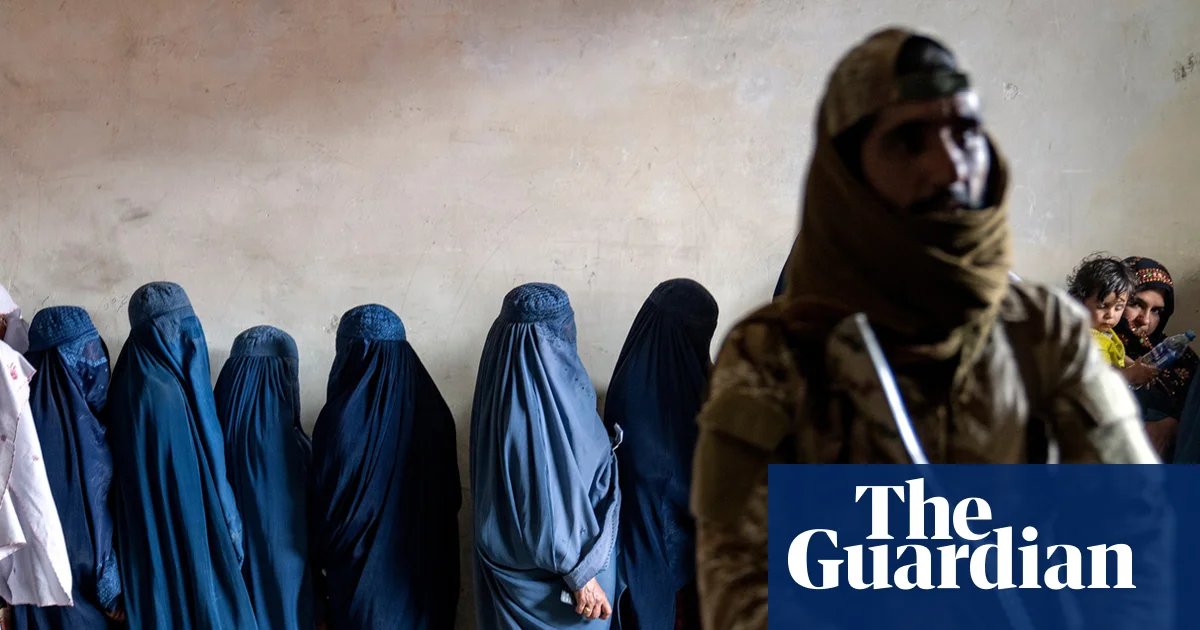
However, the situation for women in Afghanistan has been anything but progressive. Since taking control, the Taliban has enacted various policies that severely limit women’s freedoms. They have imposed restrictions on education, effectively barring many girls from attending school. In workplaces, women face increasing barriers, with numerous job losses reported as businesses grapple with the new regime’s mandates.
Education Restrictions
One of the most heartbreaking aspects of Taliban rule has been the restriction on education for girls. Schools have been closed or limited in their access, a devastating blow to young women eager to learn and contribute to their communities. The ongoing ban on secondary education for girls signifies a troubling regression that many never anticipated following years of progress.
Work and Public Life
In addition to educational restrictions, women’s participation in the workforce has sharply declined. Many women have lost their jobs, and those who remain in the workforce often face harsh regulations and scrutiny. This has not only affected their independence but has also strained household economies where women contributed as breadwinners.
Social Implications
The social implications of these restrictions extend far beyond individual rights. Families are facing economic hardships, as the loss of women in the workforce not only diminishes income but also disrupts social stability in many communities. Furthermore, the psychological impact on young girls and women who see their aspirations curtailed and their potential unfulfilled is profound and troubling.
Looking Ahead
The future for women in Afghanistan remains uncertain as the international community grapples with how to respond to the Taliban’s governance. While many hope for a change in stance, the need for vigilance and advocacy has never been more significant. Women’s rights in Afghanistan must remain a global concern, urging continuous dialogue and pressure for change.
- Five years under Taliban rule have led to severe restrictions on women’s rights in Afghanistan.
- Despite initial promises, girls’ access to education has drastically declined.
- Many women have lost their jobs and face ongoing barriers in the workforce.
- The social and economic implications of these policies are profound, affecting families and communities alike.