

Massive Protests Erupt Across France: Students Demand Change
Today, France witnesses one of the largest student protests in recent memory, with estimates indicating that nearly 90,000 participants have taken to the streets to voice their concerns. These demonstrations come amid growing tension regarding the state of education and student rights across the nation. While some protests have descended into altercations with police, the overarching theme remains a demand for improved conditions in schools.
Scale of the Protests
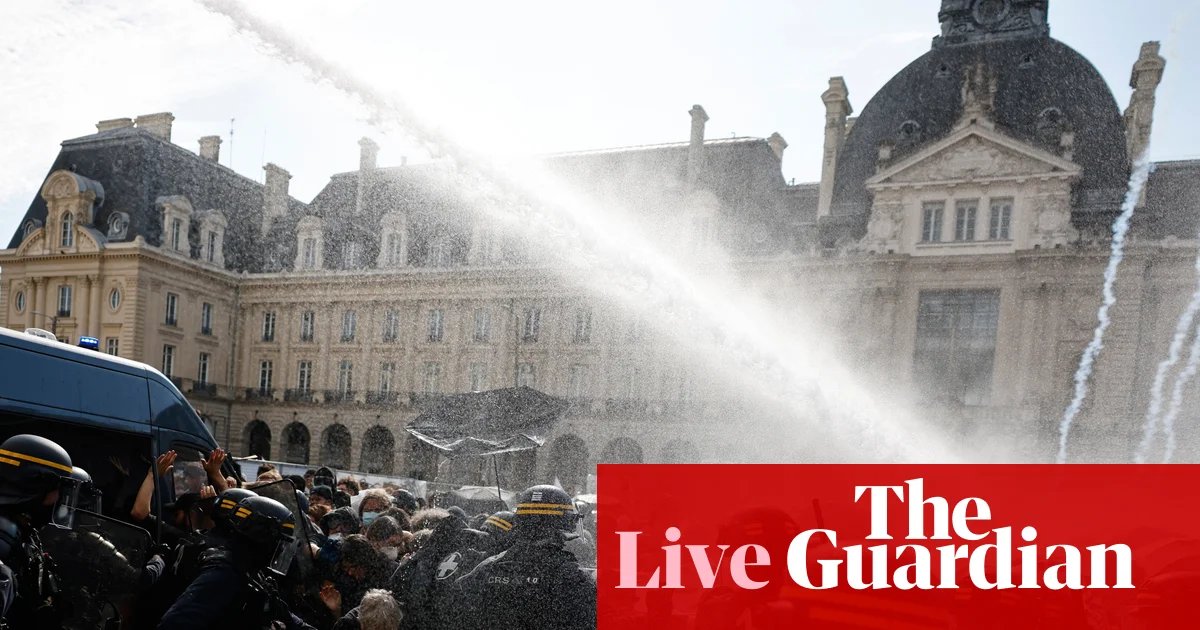
As the day unfolds, estimates suggest close to 90,000 individuals are actively participating in protests across France, although it’s important to note that the primary march in Paris has not yet commenced. Incidents of conflict with police have been reported in cities like Lyon and Rennes, where two teenage girls suffered injuries in Blanc-Mesnil, according to local news sources. The protests have seen high school students gathering throughout these areas, aiming to highlight their grievances.
Vocal Demonstrations
Over in Lyon, high school students engaged in passionate protests, igniting fireworks near riot police while others used barricades made of trash bins and bicycles at the Lycée Hélène Boucher in Paris. Parents joined the students in solidarity, creating a human barrier between the police and protesters.
“They are our children. We, as parents, teachers, and federations all share a common goal: the safeguarding of children’s rights, which includes the right to protest,” shared Emilia Sichili Suriam, a member of a parents’ association.
Conflicting Numbers
The reported attendance figures have sparked a debate, with official sources estimating around 90,000 participants, while the CGT union claims the number might reach 260,000 once all marches conclude. In Marseille, there’s also a distinct discrepancy, as police estimate 4,800 protesters, while organizers insist the figure could be as high as 30,000.
Unprecedented Youth Mobilization
The current unrest has escalated into a nationwide movement, originating from protests at a single school in a Paris suburb. Frustrations have heightened over teacher shortages, dilapidated facilities, and overcrowded classrooms. Significant numbers of students and educators alike have voiced that the conditions in many institutions are unacceptable.
Responses from Authorities
In the course of these demonstrations, the French government has noted over 5,000 arrests, with a significant percentage involving minors. Concerns have been raised regarding the use of force by the police, prompting multiple investigations into allegations of police brutality.
“We’re teenagers with wheelie bins and the police have heavy weapons; it’s totally mismatched,” said Livia, a 17-year-old student. This sentiment underscores a broader frustration with perceived police violence against minors amidst the protests.
A Call for Change
In the wake of this growing unrest, the French National Consultative Commission on Human Rights has called for immediate dialogue between government officials and the student body. They emphasize that freedom of expression and peaceful assembly are fundamental rights. As tensions persist, calls for political engagement and recognition of student grievances echo throughout the protests, fueled by a spirit of solidarity among the youth.
Conclusion
The wave of protests sweeping across France highlights the urgent need for reform in the education system. As students rally together, their voices resonate with demands for better learning conditions and respect for their rights. This movement represents not only a stand against current challenges but also a hopeful push towards a more equitable future in education.
Key Takeaways
- Approximately 90,000 people are engaged in protests across France.
- Significant clashes have occurred between students and police, highlighting tensions around the protests.
- The student-led movement calls for improved educational conditions and respect for children’s rights.
- Demands for a constructive dialogue with authorities emphasizes the importance of addressing grievances peacefully.