

Insights into the Migrant Influx in Ceuta: New Revelations
Recent documents released by the Spanish government expose the intelligence services’ prior warnings regarding a significant migrant crossing into Ceuta. These findings shed light on the events leading to the influx of tens of thousands of migrants, revealing a concerning narrative about communication and preparedness during the crisis.
Background of the Situation
On July 29, Spain’s National Intelligence Service (CNI) informed both Moroccan and Ceuta officials about social media campaigns that were urging migrants to attempt crossing into Ceuta on July 30. Despite receiving these warnings, Prime Minister Pedro Sánchez has asserted that the migrant surge was unexpected.
Government Response and Opposition Claims
Opposition parties argue that the newly declassified documents indicate a lack of transparency from the government regarding this significant event. Earlier, Sánchez had claimed to parliament that there was “no information that conveyed the magnitude” of the impending crisis. However, the CNI reported that around 72,000 migrants made the crossing on July 30 and 31, with many swimming around the border fence, resulting in at least 100 fatalities.
Current Challenges in Ceuta
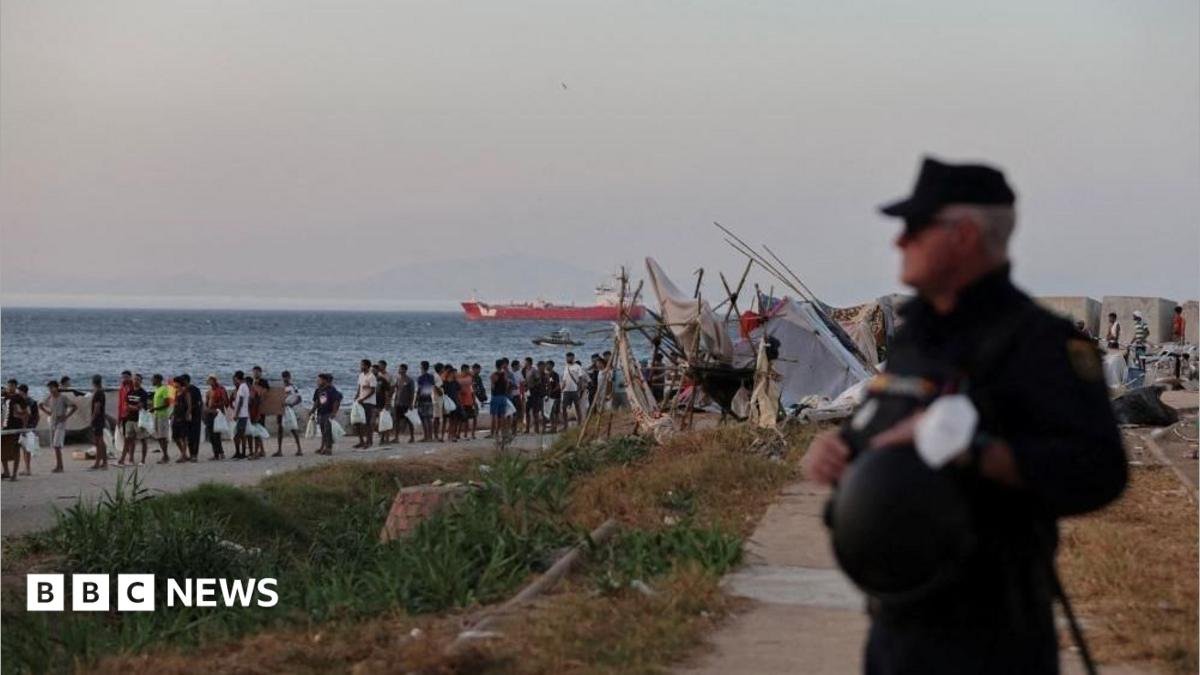
Even though most migrants have returned to Morocco, approximately 5,000 are still residing in makeshift camps or sleeping rough on the streets and beaches of Ceuta. This situation has incited local unrest, as residents have voiced their safety concerns and, in some instances, have disrupted aid efforts and destroyed shelters intended for migrants.
Details from the Intelligence Report
In a note dated July 29, the CNI identified WhatsApp and Facebook groups that were actively promoting migration attempts. One message targeted around 180,000 users, suggesting that the best opportunity to cross would occur on July 30—known as Throne Day—when security would be diverted due to celebrations. The CNI also alerted both the central government and local civil authorities about these alarming communications.
Political Fallout and Accountability
As the narrative unfolds, accusations against the government regarding its preparedness and response have intensified. Conservative opposition leader Ester Muñoz expressed strong sentiments, alleging that the Sánchez administration bore responsibility for both the crisis and the resulting casualties. Meanwhile, Jorge Buxadé from the Vox party criticized Sánchez, asserting the need for accountability on a judicial level.
Official Stance and Future Implications
Despite the political backlash, the government insists it acted based on available information. Foreign Minister José Manuel Albares emphasized that there were no prior reports predicting the scale of the events that unfolded. Conversely, a government source maintained that existing data did not allow for an adequate response to the potential crisis.
Miguel Ángel Pérez Triano, the central government’s delegate in Ceuta, downplayed the significance of the CNI’s communications, describing the WhatsApp messages as mere exchanges rather than formal alerts.
Conclusion
The developments surrounding the migrant crisis in Ceuta present a complex intersection of intelligence, policy, and accountability. As new information comes to light, the implications for both the government and the local community continue to evolve, prompting ongoing discussions about national security and migrant management.
- Spanish intelligence warned of a mass migrant crossing into Ceuta a day before it occurred.
- Over 72,000 migrants crossed in two days, leading to tragic loss of life.
- Local unrest has arisen due to the presence of thousands of migrants still in Ceuta.
- The government faces scrutiny regarding its handling of the situation and the accuracy of its prior claims.