

Russian Family Faces Deportation from Finland Amid Asylum Struggles
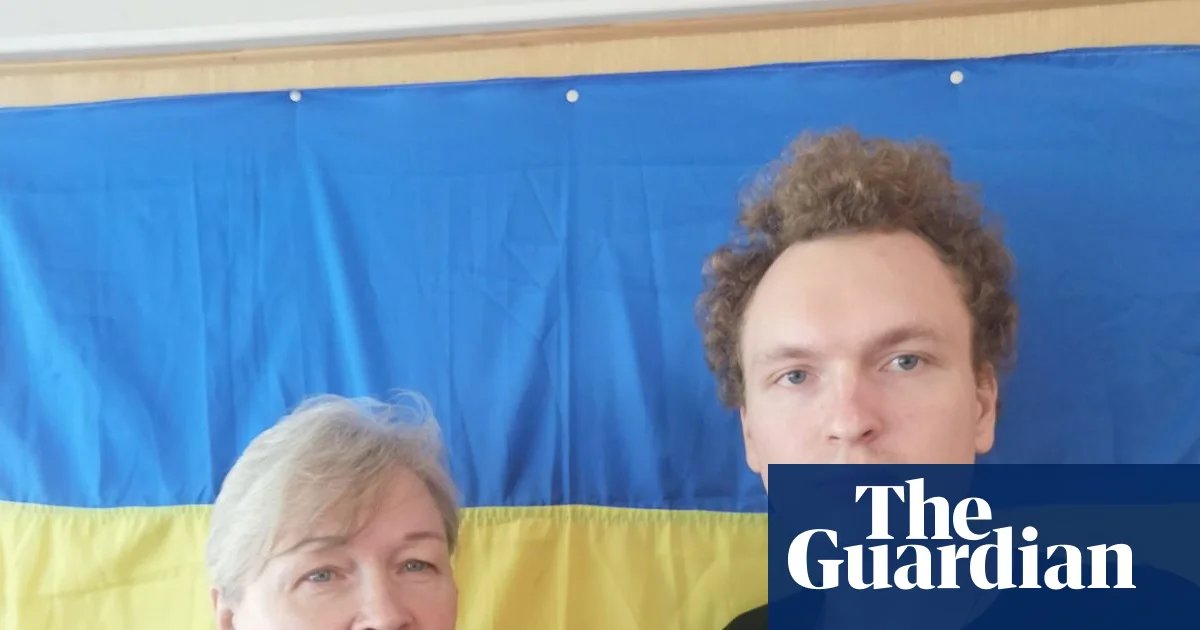
The plight of a Russian family facing potential deportation from Finland highlights the challenges many asylum seekers encounter, particularly those opposing state policies. Nikita and Olga Belov are caught in a complex situation that intertwines their activism against the war in Ukraine with the harsh realities of immigration policies in Finland.
The Belov Family’s Journey
In 2022, Nikita Belov, a 25-year-old former engineer, and his mother, Olga, a 55-year-old nurse anaesthetist, fled Russia after they became targets of the authorities due to their vocal stance against the invasion of Ukraine. Following military summons, threatening messages, and ominous efforts to locate them, the Belovs saw no option but to leave their homeland.
Life in Finland
Upon arriving in Finland on visas, the Belovs actively supported Ukraine, coordinating aid efforts and expressing their opposition to the war. However, the Finnish immigration service assessed that their return to Russia would pose “no real risk,” a claim that both the Belovs and legal experts contest.
Legal Battles and Detention
In April, Finnish authorities detained the Belovs pending deportation. Though they were later released following a court intervention, they now await a decision that could force them back to Russia within a matter of weeks.
Legal experts contend that the case is not isolated, as many Russians seeking asylum in Finland have faced similar fates, with authorities underestimating the personal risks involved. Official statistics show that from February 2022 to June 2026, Finland deported over 1,000 Russians, marking the highest figure for any nationality during this period.
The Shifting Finnish Landscape
Finland’s relationship with Russia has drastically changed since the escalation of the Ukraine conflict. Once a thriving tourism destination for Russians, Finland has now closed its border amid accusations that Moscow is directing asylum seekers to Finland as part of a “hybrid operation.” Simultaneously, NATO exercises in the region have added another layer of complexity to the situation.
A Fearful Reality
Nikita expressed that his concerns in Russia began when he uncovered that his engineering work was tied to the war effort. Following threats from his employer regarding potential arrest or deployment, both he and Olga recognized the urgent need to leave. They believe that returning to Russia would lead to immediate arrest and possible torture.
Volunteering in Finland
Since their arrival, the Belovs have volunteered at local Ukraine support centers, providing crucial humanitarian aid such as food, medical supplies, and even technology like 3D printers. They received heartfelt acknowledgments from Ukrainian soldiers, reflecting their commitment to the cause.
Struggles with Asylum
After applying for asylum in Finland initially in 2022, their applications were denied, leading them to appeal without success. This year, they faced another rejection and received a deportation order, leading to their detention. Although a court temporarily halted their deportation, the family has been profoundly affected, experiencing mental health struggles amid ongoing uncertainty about their future.
The Legal Landscape
Their lawyer has highlighted the danger the Belovs could face if sent back to Russia, particularly due to Nikita’s history of working with sensitive government materials. Recent changes in Finland’s asylum procedures and reduced access to legal aid have made it increasingly difficult for individuals with clear political opinions to secure refugee status.
A Call for Protection
Activist Bill Browder emphasized that this case serves as a critical test of Europe’s resolve to safeguard those who oppose autocratic regimes. He cautions that denying protection to individuals like the Belovs could deter others from standing up against oppression.
Official Response
A spokesperson for the Finnish immigration service declined to comment on individual cases, but the director of international protection highlighted that each application is evaluated based on personal circumstances. He stated that opposition to the war may indeed warrant protections under specific criteria.
Conclusion
The situation faced by the Belov family encapsulates the broader difficulties that many asylum seekers experience, especially those opposing government actions. Their future hangs in the balance as they await a decisive verdict in a country that once offered them hope.
Key Takeaways
- The Belov family fled Russia due to persecution for their pro-Ukrainian activism.
- They have faced multiple denials of asylum in Finland despite their vocal opposition to the war.
- Recent changes in Finnish immigration policy have made obtaining asylum more challenging.
- Their case raises important questions about Europe’s commitment to protecting political dissenters.