

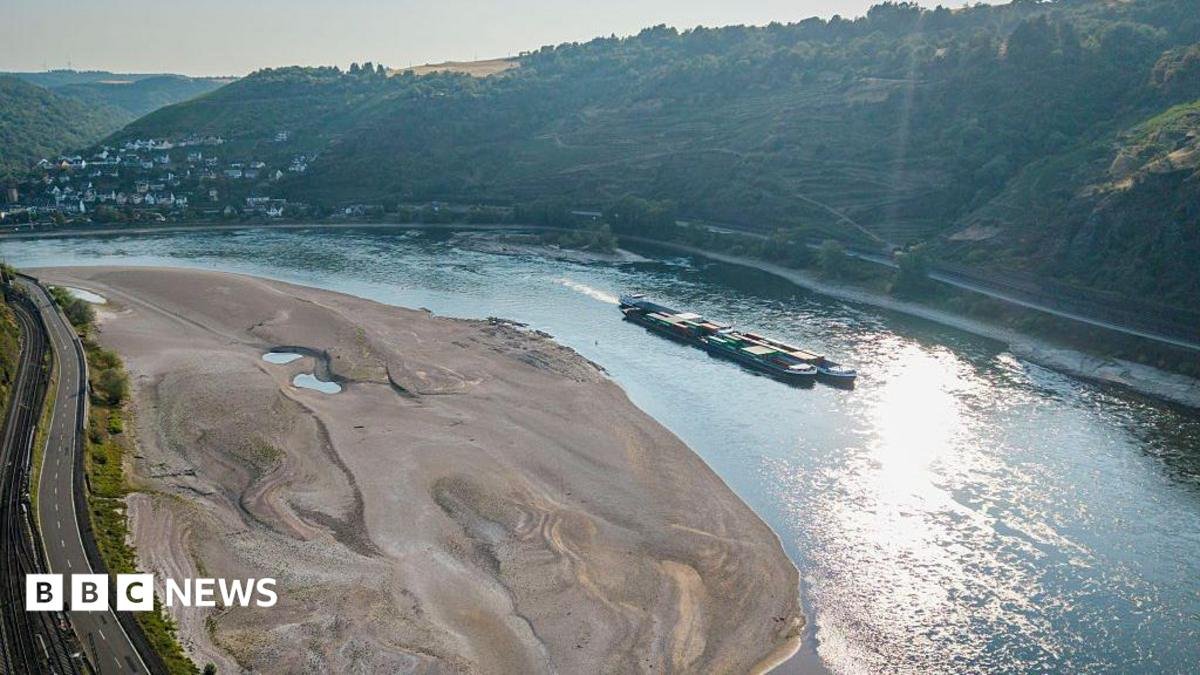
Europe Faces Water Crisis: Drought Impacts Energy and Agriculture
The ongoing drought in Europe is causing significant challenges across various sectors, particularly energy and agriculture. Countries like Serbia and Romania are taking drastic measures to cope with the reduced water levels affecting their operations. This article delves into how the drought is influencing power generation, water resources, and agricultural practices in the region.
Serbia’s Coal-Fired Power Plants Cut Production
In Serbia, the drought has severely impacted coal-fired power plants, forcing a reduction in output due to insufficient water for cooling systems. This has raised concerns about energy supply stability in the region.
Romania’s Efforts to Enhance Water Flow
Meanwhile, Romania is tackling the crisis head-on. Authorities executed a controlled explosion on a significant rock along the Danube River. This strategic move aims to boost water flow to the Cernavoda nuclear power plant, ensuring it can maintain operations.
Manufacturing Sector Adjustments
In addition to energy concerns, the Romanian automotive industry is feeling the effects of the drought. Both Dacia and Ford have agreed to suspend production for over two weeks as a measure to conserve electricity during this critical time.
Italy’s Po River Hits Historic Low
Across the border in Italy, the Po River, the nation’s longest, reached an unprecedented low near Cremona in late July. The situation prompted authorities to elevate the drought alert level to “high” throughout the Po Valley. Experts are expressing concerns about potential disruptions to drinking water supplies, highlighting the widespread impact of this environmental crisis.
Environmental Consequences
The lower water levels at the mouth of the Po have also led to a troubling consequence: the intrusion of saltwater from the sea into the riverbed. This disruption poses severe ecological challenges and complicates irrigation efforts for farmers who rely on the river for crop watering.
Climate Change’s Role in Drought Conditions
A recent study by scientists from the World Weather Attribution group indicates that there is no clear, consistent trend of decreased rainfall across much of Europe. However, they attribute the increased evaporation of moisture to human-induced climate change, exacerbating drought conditions. Higher temperatures result in increased water demand for households, agriculture, and industries alike.
Impact on Freshwater Resources
Prolonged drought not only diminishes river flow but also affects lake water levels, limiting the availability of crucial freshwater resources.
Wildfires and Carbon Emissions
The drought of 2022, as noted by the EU’s Copernicus climate service, has led to an uptick in wildfire incidents, which in turn has resulted in a rise in carbon emissions. This alarming trend underscores the interconnectedness of climate-related issues.
Summary
The current drought is a pressing concern for Europe, affecting energy production, water supplies, and agricultural practices. As nations grapple with these challenges, the need for sustainable solutions becomes increasingly critical.
Key Takeaways
- Serbia reduces coal production due to cooling water shortages.
- Romania enhances water flow to its nuclear plant through controlled explosions.
- Italy’s Po River hits record lows, raising drinking water supply concerns.
- Climate change exacerbates drought conditions, impacting freshwater availability and increasing wildfire risks.