

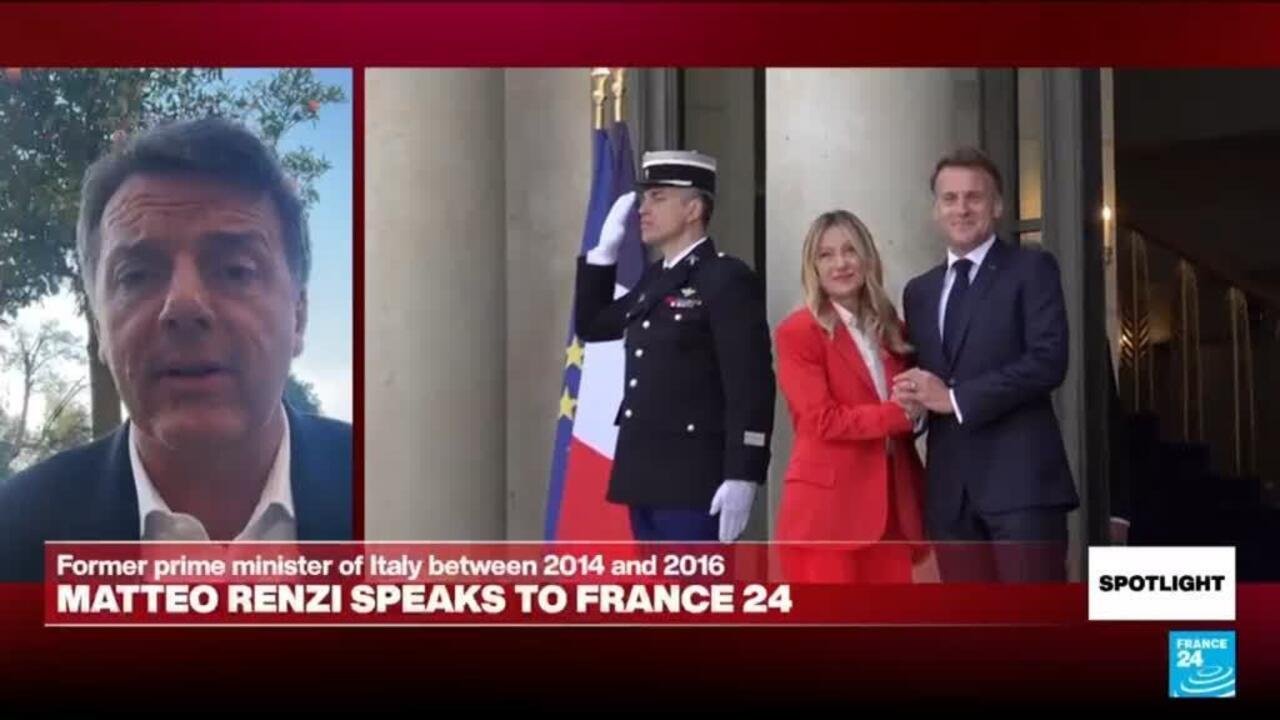
Insights from Former Italian Prime Minister Matteo Renzi
Gavin Lee has the privilege of introducing Matteo Renzi, the former Prime Minister of Italy. Renzi brings a wealth of experience and perspective to contemporary geopolitics, European unity, and what it means to lead ethically in today’s tumultuous environment. Drawing on his tenure as head of a significant European nation, he shares reflections on the instability in global alliances, energy challenges in Europe, and the shifting landscape of political leadership.
The Current State of Global Politics
Renzi observes our world with a keen sense of urgency and realism. We find ourselves in an era where alliances are fragile, leadership often wavers, and the structure of global order faces unprecedented pressure. He emphasizes the importance of having a clear strategy and credible leadership in navigating these complexities, from the Strait of Hormuz to the intricate dynamics within Europe.
Call for Proactive Leadership
The former Prime Minister stresses that Europe must transition from merely reacting to situations to taking decisive action, particularly in terms of energy policy and foreign relations. Yet, he cautions against leaders who adapt their strategies without a clear guiding principle. While being flexible is not inherently a weakness if it leads to improved decision-making, a lack of coherence can spiral into volatility and long-lasting instability.
Politics and Accountability
Renzi firmly believes that politics demands a sense of responsibility. He argues that when citizens voice their dissent, leaders must be willing to listen and respond. Establishing credibility in leadership hinges not only on the exertion of power but also on the bravery to face the consequences of decisions made.
A Brief Overview of Renzi’s Tenure
Matteo Renzi served as Italy’s Prime Minister from 2014 to 2016, earning the distinction of being the youngest leader in the country’s modern history at the age of 39. In a political landscape notorious for unstable governments, his two-and-a-half years in office exceeded the postwar average in longevity. However, he resigned after a referendum aimed at reducing the size and altering the composition of the Senate did not yield the desired outcome. This moment serves as a poignant reminder of the famous quote by LP Hartley: “The past is a foreign country; they do things differently there.”
Conclusion
Matteo Renzi’s insights offer a profound understanding of the challenges facing modern leadership and the need for responsible governance in a volatile global environment. His reflections urge leaders to prioritize clarity, coherence, and responsibility in both political and public spheres.
Key Takeaways
- Alliances are more fragile than ever, impacting global stability.
- Decisive action is crucial for Europe in energy and foreign policy matters.
- Leadership requires listening to citizens and accepting accountability.
- Courage in leadership is defined by the willingness to face consequences.