

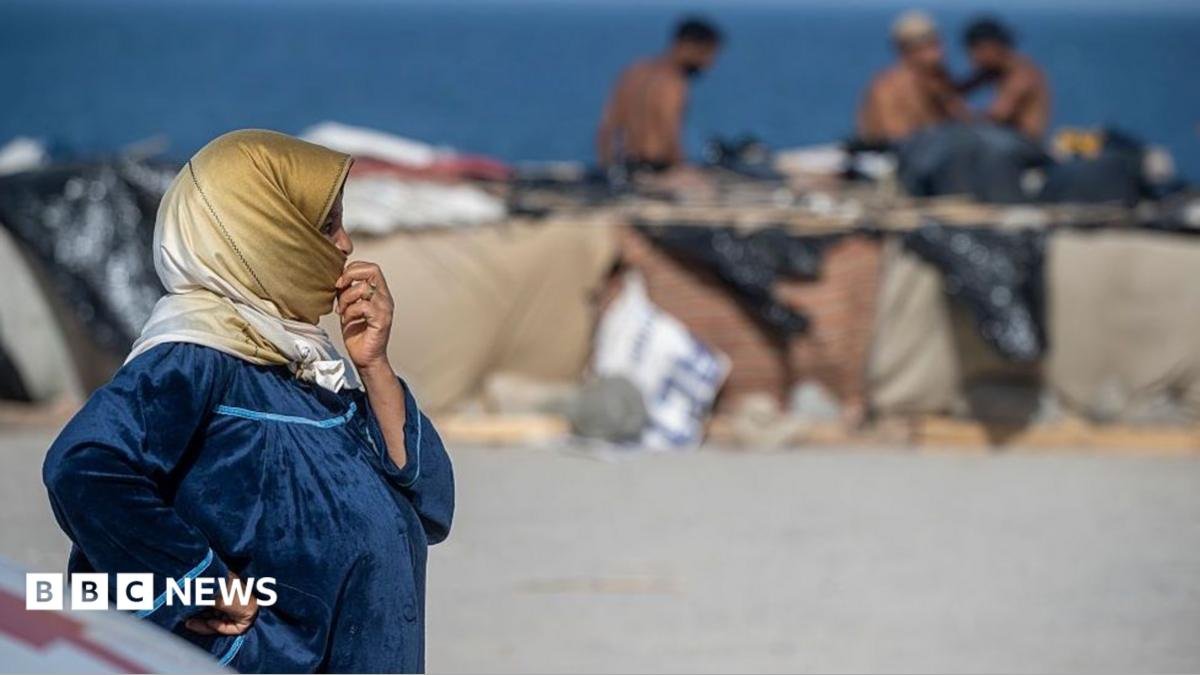
Rising Concerns in Ceuta Amidst Migrant Influx
Recently, Ceuta has witnessed alarming reports of sexual assaults, with 23 incidents documented, including nine involving minors. This surge in violence correlates with the significant influx of migrants that began at the end of July, prompting serious concern from local authorities and government officials.
The Context of the Influx
Ceuta’s chief prosecutor, Silvia Rojas, highlighted this worrying trend, stating that such incidents occurred almost daily. With at least 72,000 migrants crossing into the Spanish exclave from Morocco on July 30 and 31, the situation has become precarious.
Despite most having returned, around 5,000 migrants are still residing in the area, inciting unrest and presenting challenges for Spanish Prime Minister Pedro Sánchez. Rojas estimates that between 1,400 and 1,600 of the remaining migrants are children, which raises further concerns regarding their safety and well-being.
Nature of the Incidents
The reported sexual assaults have involved a diverse group of alleged perpetrators, including four Moroccans, three Spaniards, and a Belgian national. Local tensions have escalated significantly, leading to instances of violence between the migrants and residents of Ceuta. In response, Sánchez convened a meeting of his national security council to address the escalating crisis.
Many victims, however, remain hesitant to come forward due to fears surrounding their precarious position in Ceuta. The Spanish Society of Epidemiology pointed out that this crisis underscores the difficulties in identifying and addressing violence faced by migrant women and girls.
Personal Accounts
A poignant account from a 24-year-old Moroccan woman illustrates the grim reality many face. She explained how her journey to Ceuta put her life at risk, recounting a shocking incident of sexual assault while she slept in a crowded environment. “If I had known this, I wouldn’t have come,” she lamented.
Additionally, emergency doctor Susana Ascaso revealed that her department has treated various victims of sexual assault, including a child as young as ten years old.
Government Response
In light of these events, Economy Minister Carlos Cuerpo announced a multi-million euro aid package aimed at providing essential services and care for unaccompanied minors. Meanwhile, the conservative mayor of Ceuta, Juan Jesús Vivas, has encouraged citizens to participate in demonstrations across mainland Spain to show support for Ceuta during its annual holiday.
Political Fallout
The Spanish government’s handling of the crisis has drawn fierce criticism from opposition parties. The hard-right Vox party condemned Sánchez for allegedly relinquishing control over Ceuta. Arantxa Campos, president of the Ceuta Employers’ Confederation, expressed frustration, stating that without a clear government plan, local efforts are futile.
Conclusion
The situation in Ceuta highlights the urgent need for effective measures to address the safety and welfare of migrants, especially vulnerable groups such as women and children. As tensions rise, both local leaders and national authorities must act decisively to navigate this challenging landscape.
Key Takeaways
- 23 sexual assault cases have been reported in Ceuta since the influx of migrants began.
- Approximately 5,000 migrants remain in Ceuta, with many still feeling unsafe.
- The Spanish government is facing significant criticism for its crisis management.
- Urgent action is needed to ensure the protection of vulnerable populations, particularly minors.