

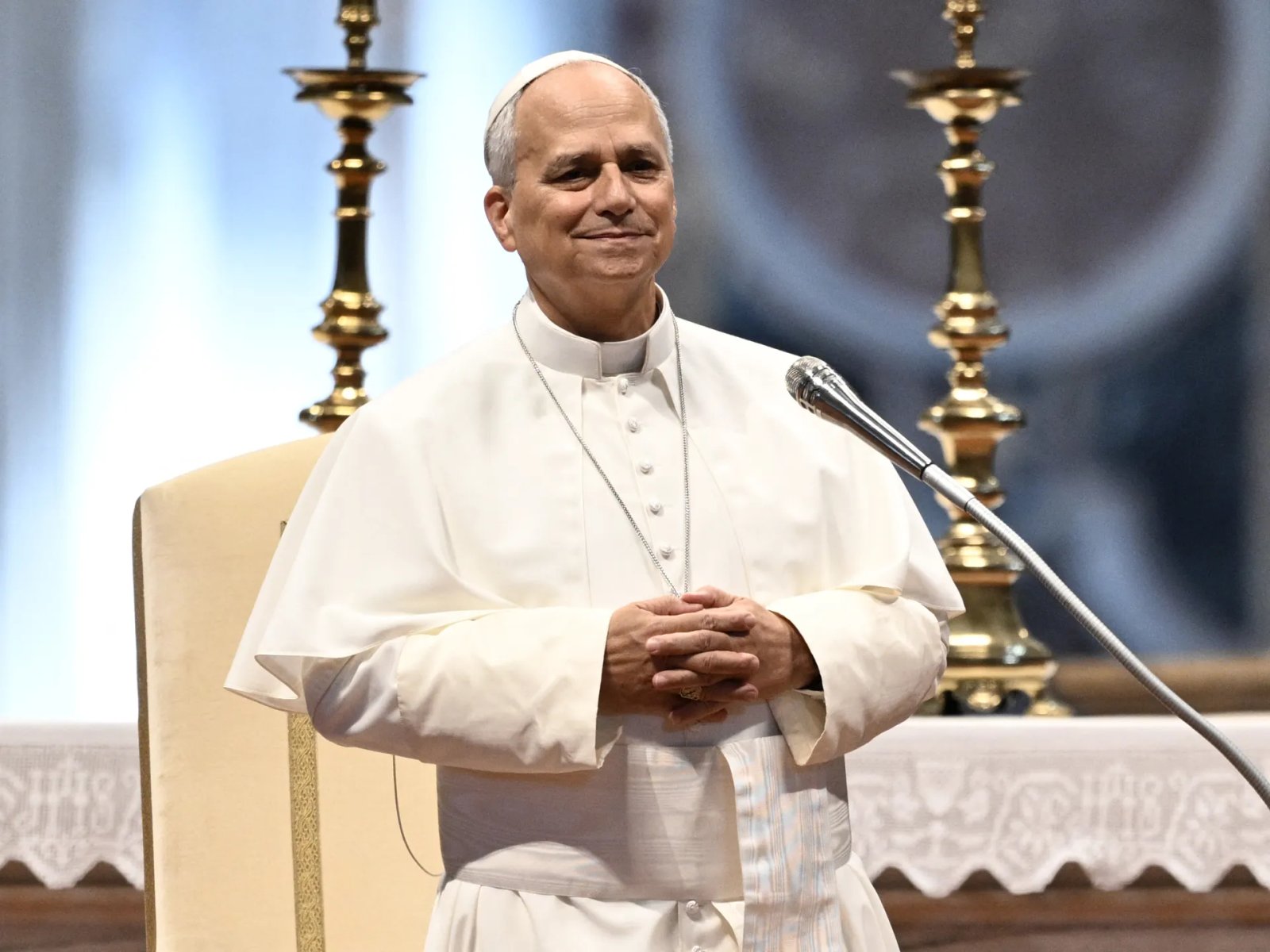
Pope Leo XIV Declares Death Penalty ‘Inadmissible’ Amid U.S. Livestream Plans
In a powerful statement coinciding with World Day Against the Death Penalty, Pope Leo XIV has officially labeled capital punishment as “inadmissible.” This declaration comes at a time when the U.S. has announced intentions to broadcast an execution via firing squad, igniting significant discussion surrounding the morality of the death penalty.
The Pope’s Stance on Capital Punishment
Pope Leo XIV emphasized the Catholic Church’s long-standing position on capital punishment through a message on social media platform X, categorizing it as an “attack on the inviolability and dignity of the person.” He further asserted that society can safeguard the common good and deliver justice without resorting to the death penalty.
Redemption Over Retribution
The Pope expressed optimism regarding advancements in correctional systems that ensure public safety while also allowing offenders the chance for rehabilitation. “Effective systems of detention have been developed that protect citizens while at the same time do not completely deprive those who are guilty of the possibility of redemption,” he noted. This perspective highlights a shift towards restorative justice, rather than retributive measures.
Context of the Pope’s Remarks
These remarks are particularly pertinent given current events in the U.S. Just days earlier, U.S. Secretary of Defense Pete Hegseth announced plans to livestream the execution of Nidal Malik Hasan, convicted of a tragic shooting at Fort Hood in 2009 that took 13 lives and injured many others. Although Pope Leo XIV did not directly reference this specific case, his sentiments align with growing concerns about the ethics of such actions.
Criticism of Livestreamed Executions
Cardinal Pietro Parolin, the Vatican Secretary of State, critiqued the U.S. Department of Defense’s decision, labeling the livestreaming of executions as “unacceptable.” This comes in the wake of heightened scrutiny over the methods and transparency surrounding capital punishment.
Historical Perspective and Political Reactions
Pope Francis made significant strides in 2018 when he amended the Church’s teachings, declaring that capital punishment is “inadmissible” under any circumstances. This marked a notable shift from the previous stance that allowed for the possibility of the death penalty if it was deemed necessary for the protection of human lives.
The announcement of Hasan’s execution broadcast has prompted outrage from various political factions in the U.S. Republican Representative Austin Scott expressed his support for the execution, while asserting that “livestreaming executions is what Jihadists do. America is better than that.” Similarly, Senator Mark Kelly, a Democrat, echoed these sentiments, arguing that public executions should not be a representation of American values.
On Thursday, a Pentagon representative affirmed the plans to proceed with the livestream, but Vice President JD Vance, who identifies as a practicing Catholic, expressed uncertainty about the execution broadcast, stating, “If it is going to happen, I’m not going to be watching it.”
Conclusion
Pope Leo XIV’s condemnation of capital punishment highlights a significant dialogue around human dignity and the criminal justice system. With his assertions resonating amidst controversial U.S. execution practices, this conversation will likely continue to evolve, driving further scrutiny of the role of capital punishment in modern society.
- Pope Leo XIV calls capital punishment “inadmissible,” emphasizing human dignity.
- He promotes rehabilitation over execution, citing advancements in detention systems.
- U.S. plans to livestream Nidal Malik Hasan’s execution ignite political and moral debate.
- Cardinal Parolin condemns the decision, advocating for more humane practices.