

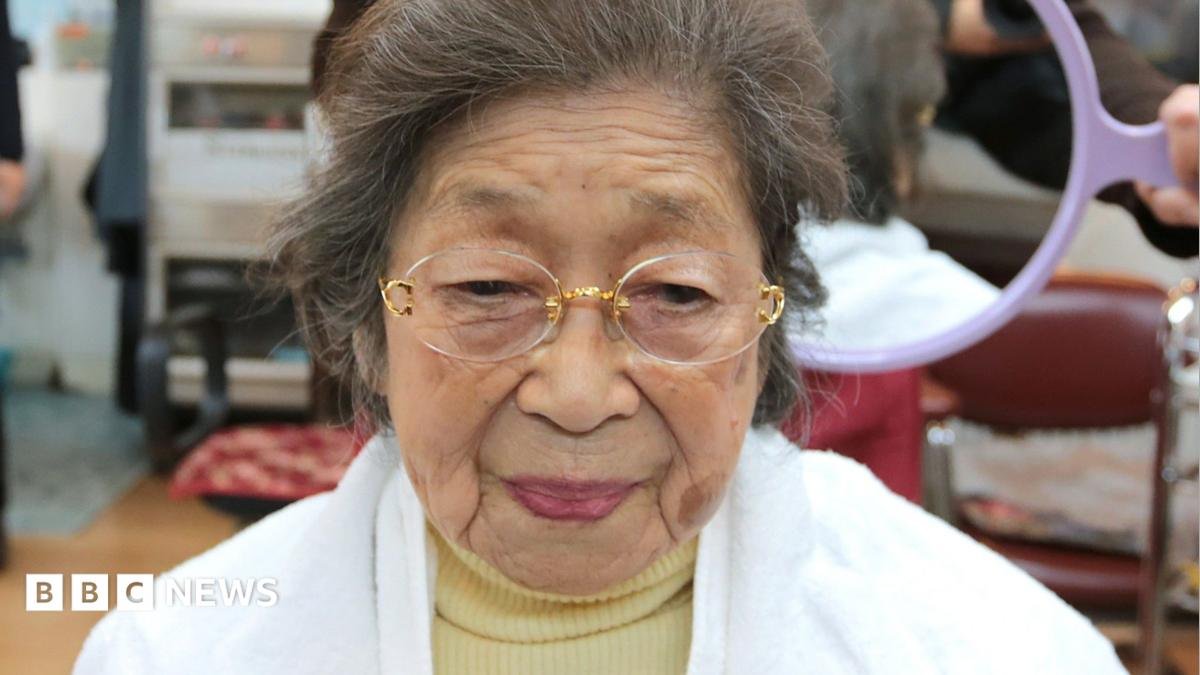
Japan’s Centenarian Population Surpasses 100,000 for the First Time
In a remarkable milestone, Japan’s health ministry has announced that the number of individuals aged 100 years or older has officially crossed the 100,000 mark. This significant achievement highlights not just longevity but also the quality of life experienced by many in this aging nation.
Record Number of Centenarians
Current statistics reveal that Japan is now home to an astonishing 107,677 centenarians, the largest population of people aged 100 and up globally. Notably, women make up a staggering 88% of this demographic. Among these centenarians, the oldest woman is Kishimoto Fuyo, who at 114 years old resides in Kyoto City, while the oldest man, Kato Hikaru, is a 112-year-old from Kumamoto.
Celebrating Longevity
Health Minister Kenichiro Ueno expressed his happiness over this trend, stating, “I am delighted that so many people are living long, healthy, and active lives.” He attributed this longevity to advancements in medicine and technology that have significantly improved healthcare.
Challenges Ahead
However, Minister Ueno also acknowledged the challenges that accompany such an aging population, particularly in terms of maintaining a sustainable social security system. As Japan continues to age, the balance between support for the elderly and broader societal responsibilities becomes increasingly complex.
Factors Contributing to Longevity
Experts attribute Japan’s long life expectancy to several factors, including a nutritious diet and an active lifestyle. The traditional Japanese cuisine is rich in fish, vegetables, and rice, while being lower in saturated fats compared to many Western diets. Additionally, many older adults in Japan engage in regular physical activity, whether through walking, cycling, or using public transport.
Japan’s Aging Trend
Japan has been facing an aging trend for years, with sales of adult diapers outpacing those of baby diapers for over a decade. In response to this demographic shift, companies have been innovating, developing products specifically designed for older individuals. Among these innovations are powered exoskeletons to assist with mobility and eyeglasses that automatically adjust focus, catering to the needs of the elderly.
Conclusion
As Japan celebrates this milestone in its population of centenarians, it also faces the realities of an aging society. While the contributions of health advancements and lifestyle choices are commendable, the sustainability of social structures and support systems will be crucial in the years to come.
- Japan’s centenarian population surpasses 100,000, the highest globally.
- Women represent 88% of the centenarian demographic.
- Healthy lifestyle and diet are key factors in longevity.
- Challenges exist in maintaining sustainable social security systems.