

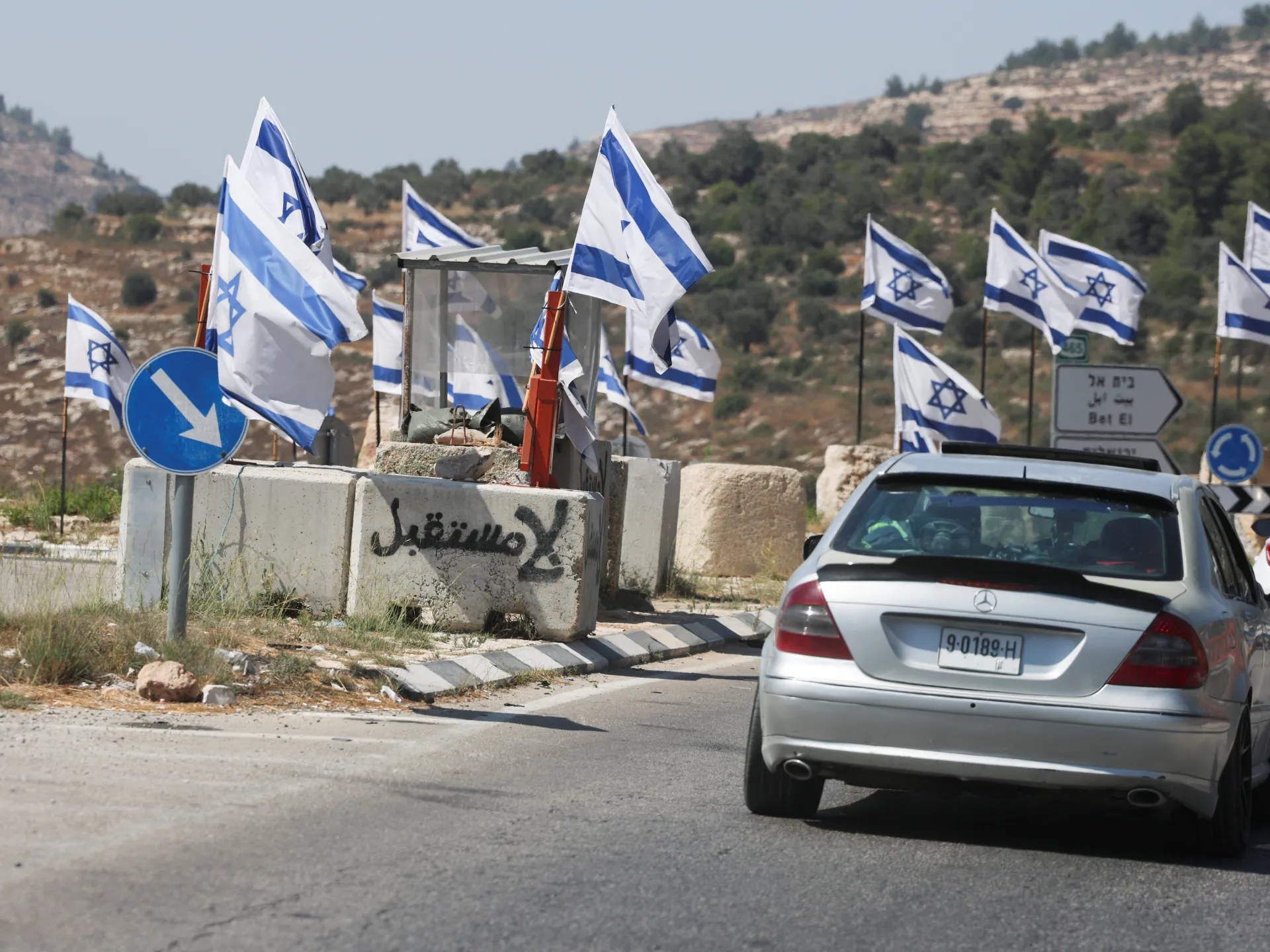
The Ongoing Challenges Faced by Palestinians in the Occupied West Bank
In the occupied West Bank, Palestinians endure frequent incidents of violence and oppression, with the situation deteriorating further. This article explores a recent report detailing the systematic efforts to undermine Palestinian life, highlighting various recent incidents and broader implications of the ongoing conflict.
Recent Incidents of Violence and Suppression
In early September, Israeli forces conducted a military operation in al-Mughayyir, resulting in the tragic deaths of two teenagers. Shortly after, in Masafer Yatta, they destroyed all homes in Khirbet al-Tabban, leaving around 70 individuals, including 30 children, homeless. Additionally, in Qusra, near Nablus, three families have been besieged in their homes for over a month, facing cuts to their water and electricity supply.
B’Tselem’s Findings: A Broader Perspective
A recent report by the Israeli human rights organization B’Tselem contends that these incidents are not isolated; rather, they are part of a larger plan aimed at making Palestinian existence untenable in these regions. The situation in the West Bank, as B’Tselem asserts, represents “an accelerated and explicit phase in an ongoing project of elimination.” This assertion highlights the systemic approaches rooted in a settler-colonial mindset.
The Nature of the ‘Elimination Project’
Based on nearly 2,000 testimonies from Palestinians, the report argues that what seems like disparate acts of violence forms “a comprehensive mechanism of elimination.” The term “elimination” signifies the calculated dismantling of Palestinian society across multiple facets, including institutions, economic structures, freedom of movement, and social cohesion.
According to the report, this mechanism is framed within the overarching logic of settler colonialism, which aims to assert permanent settler control over lands already inhabited by Indigenous peoples. B’Tselem identifies five interconnected avenues through which this strategy operates:
- Violence and intimidation
- Movement restrictions
- Economic strangulation
- Social and political disintegration
- Ethnic cleansing and territorial seizure
Historical Context and Current Trends
The report connects these current tactics to the “Decisive Plan” proposed by Bezalel Smotrich in 2017, which left Palestinians with bleak options: accept Jewish supremacy with the forfeiture of national claims, leave their land, or endure violent repression. Although these measures are not new, their intensity and openness have escalated significantly since the far-right government took office in late 2022, especially following the outbreak of violence in Gaza in October 2023.
Impact on Daily Life
For approximately 3.5 million Palestinians living in the West Bank and occupied East Jerusalem, this oppressive environment is felt daily through restricted access to roads and land and limited safe spaces for living and working. As of December 2025, the UN reported that there are at least 925 physical barriers across the West Bank—the highest number noted in two decades.
Yusef Kashur, a father of six from Dura, shares his challenges navigating the growing network of checkpoints and barriers, describing his work as a “torment,” which has financially strained his family due to longer, dangerous routes and increased fuel costs.
The Economic Collapse
The harsh restrictions have worsened an already crumbling economy; unemployment soared to 27.5% by the end of 2025, largely due to the freezing of work permits for about 115,000 Palestinians. This deliberate squeeze makes it easier for families to be uprooted. After losing his job, Jamil Abu Rayan attempted to return to farming only to find settlers had established an illegal outpost on his land, severely impacting his harvest.
The Cycle of Violence
Incidents like these are not isolated; settler aggression has forcibly occupied nearly 20% of the West Bank, as reported by the settlement-monitoring group Peace Now. In 2025 alone, the UN recorded over 1,600 attacks by settlers. As the pressure builds, communities face severe restrictions on construction, making building permits nearly impossible to obtain. Since 2022, a staggering 104 new settlements have been approved by the current government.
The Erosion of Palestinian Institutions
B’Tselem’s report further examines the alarming actions taken against charitable organizations, unions, and universities, which are fundamental to Palestinian society. Ahmad Dweikat recounted an incident where soldiers raided his Nablus organization, seizing computers and funds designated for orphans.
The Reality of Armed Conflict
A sense of dread looms as military aggression continues unabated. Since October 2023, B’Tselem has recorded approximately 1,087 Palestinian fatalities from Israeli forces, including around 25% being children. The harrowing experience of parents like ‘Atef Hanani, who mourns the loss of his son Jamil, reflects a community living in constant fear.
Understanding the System of Oppression
B’Tselem highlights a critical flaw in the perspective that calls for restraint from foreign governments; the violence and oppression are not failures but integral components of a system functioning exactly as intended. Instead of addressing each incident in isolation, it’s crucial to recognize the collective impact of these actions, leading to a diminishing space for Palestinians to thrive on their land.
Conclusion
The struggle of Palestinians in the occupied West Bank highlights a deeply entrenched system of oppression that systematically undermines their right to exist as a community. Understanding this broader picture is essential in recognizing the ongoing challenges faced by the Palestinian people and the urgency for change.
Key Takeaways
- Recent incidents reflect a systematic effort to undermine Palestinian life in the West Bank.
- Israeli rights group B’Tselem identifies these incidents as part of a larger elimination strategy.
- The economic conditions in the West Bank have severely deteriorated due to oppressive restrictions.
- The violence and oppression faced by Palestinians are integral to the existing regime and not mere occurrences of conflict.