

Enhancing Humanitarian Aid: The “Food from Ukraine” Initiative
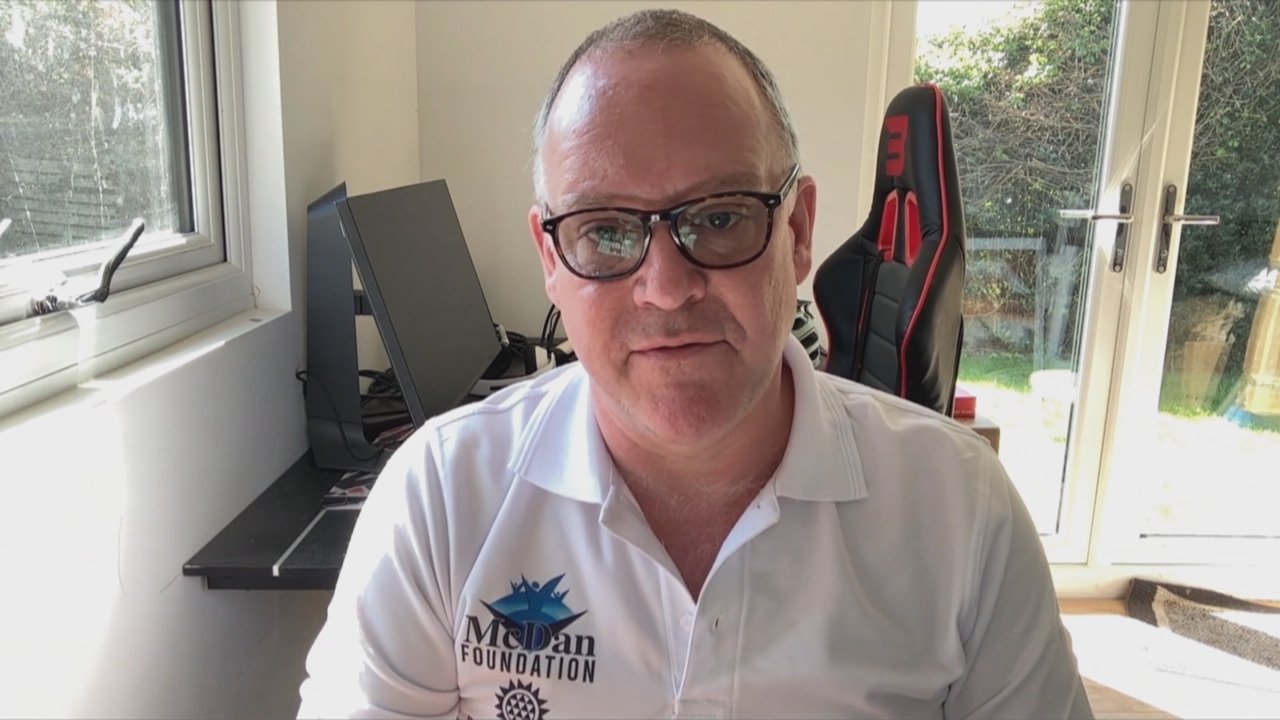
In a recent discussion with FRANCE 24, Mike Penrose, an experienced humanitarian expert and special adviser to the Ukrainian government, highlighted the importance of the “Food from Ukraine” humanitarian program. This initiative aims to optimize the effectiveness of aid distributed during a time when funding is becoming increasingly scarce. Penrose pointed out its success not just in Ukraine but also in Africa, particularly following the establishment of a regional food distribution center in Accra, Ghana.
The Role of RIDNE in Ukrainian Food Distribution
Working closely with RIDNE, a Ukrainian food consortium composed of small to medium-sized food producers, Penrose is helping to provide essential supplies to the humanitarian food market in Ukraine. Despite the ongoing challenges posed by the Russian invasion, he emphasized that “Ukraine is the breadbasket of Europe.” RIDNE has successfully brought together local producers, allowing them to operate on a larger scale to fulfill the needs of major aid organizations. As a result, over 80% of all food aid delivered by various agencies in Ukraine is sourced domestically, thereby enabling economically vulnerable individuals affected by the war to benefit from the aid they receive.
A Broad Impact: Success in Africa
Penrose also noted that the principles of the initiative are applicable beyond Ukraine. He stated that the program’s framework has shown similar effectiveness in Africa, leading to the recent launch of a food distribution hub in Accra. “When you purchase food, it supports local producers in both Africa and Ukraine,” he explained. The distributed aid directly reaches those in need, such as in Sudan, Somalia, parts of the Sahel, and the Democratic Republic of Congo, avoiding diversion into larger agro-industrial systems.
Maximizing Aid Value
When asked about the United Nations World Food Programme and other major NGOs, Penrose argued that the “Food from Ukraine” model offers a more effective solution. He explained that it helps transition people out of vulnerability, significantly boosting the value of the aid provided. In a climate of tightening budgets from the U.S. and Europe, the initiative ensures that every dollar spent on aid yields maximum impact. “This program benefits both crisis-affected nations like Ukraine and the countries receiving aid,” he added.
Breaking the Funding Stalemate
Penrose also addressed the complex situation regarding funds related to British-Russian billionaire Roman Abramovich. Currently, £2.35 billion from the sale of Chelsea Football Club is frozen and is restricted for humanitarian use in Ukraine, a condition Abramovich is contesting. “Humanitarian efforts are global in nature,” he stated. “Restricting aid to a single geographical area does not provide the best support to countries in need, including Ukraine.” In conclusion, he emphasized the necessity for “political courage” to resolve this impasse and release the funds for humanitarian work.
Conclusion
The “Food from Ukraine” initiative embodies a proactive approach to humanitarian aid, proving effective both in its home country and abroad. By leveraging local resources and ensuring that aid reaches those who need it most, the program significantly enhances the overall impact of humanitarian efforts. This kind of responsive action is vital in addressing the evolving demands of global aid.
- The “Food from Ukraine” program optimizes aid distribution during financial constraints.
- RIDNE unites small food producers in Ukraine to meet large-scale humanitarian needs.
- The initiative’s framework is now successfully applied in Africa, benefiting local producers.
- Political courage is needed to overcome funding roadblocks for humanitarian efforts.