

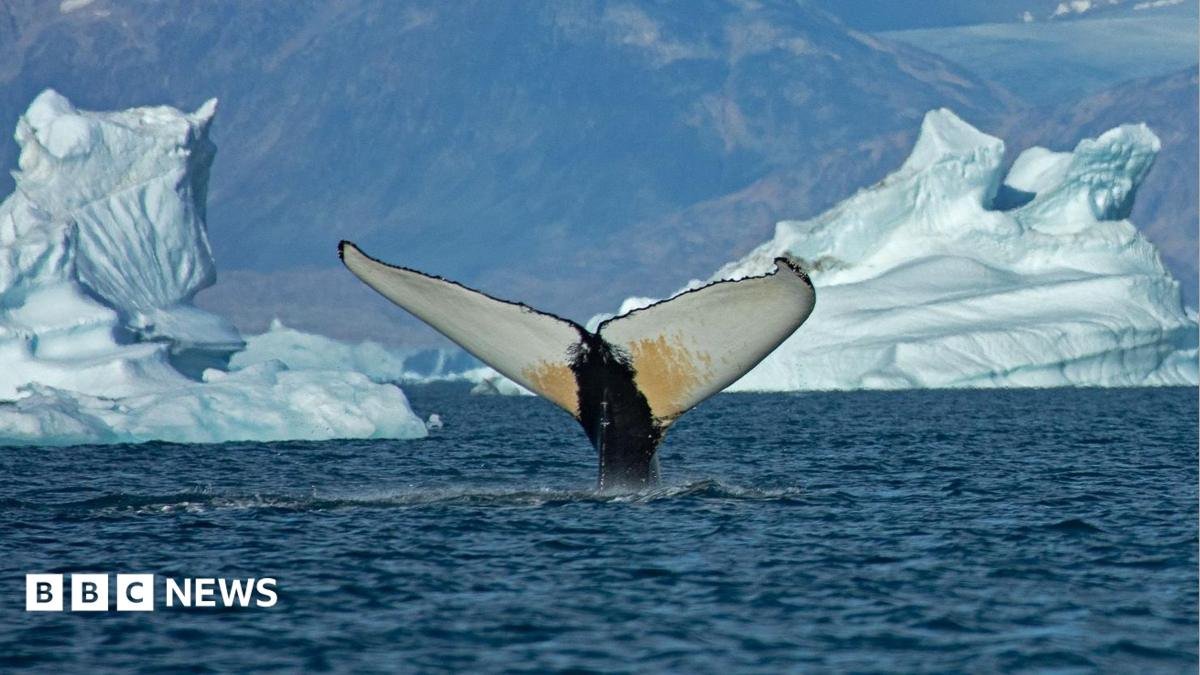
The Changing Dynamics of Arctic Whales
The recent study on baleen whales in the Arctic has uncovered intriguing insights about their changing populations. While it remains uncertain whether these shifts signify a true increase in numbers or merely a migration from other areas, experts have raised concerns over the implications of these changes. This article delves into the findings of the research, its impact on different whale species, and the broader context of climate change in the Arctic.
Understanding the Study’s Findings
One major point of discussion among researchers is whether there is a genuine rise in whale populations or if the observed changes simply reflect a redistribution of these majestic creatures. Concerns have arisen regarding a possible influx of whales from West Greenland, a topic that can be quite sensitive, given the hunting practices in that region.
The Adaptation of Opportunistic Baleen Whales
Scientists noted that certain baleen whales, characterized as “opportunistic,” seem to be adjusting well to their changing environment. These whales may even be thriving as they adapt to new conditions in the Arctic. However, this transition has a downside for other species in the region.
The Impact on Other Arctic Species
According to Professor Heide-Jørgensen, while some species benefit from climate change, others, like narwhals and belugas, are facing significant challenges. These animals find themselves either competing for habitat with the newly arriving whales or being displaced altogether. This shift underscores the complex dynamics at play in Arctic ecosystems.
The Mixed Blessing of Climate Change
As Professor Heide-Jørgensen succinctly stated, “For some species, climate change is not necessarily a problem—it opens up new opportunities, but for others, habitat loss is a serious concern.” This observation highlights the dual nature of climate Change, presenting both challenges and opportunities within the Arctic marine environment.
Conclusion
The ongoing changes in whale populations and their interactions within the Arctic ecosystem illustrate the complex effects of climate change. While some baleen whales may adapt and thrive, other species are not as fortunate, facing potential declines and habitat loss. This study raises critical questions about conservation efforts and the future of these remarkable creatures in our rapidly changing world.
Key Takeaways
- The study does not clarify whether whale populations are genuinely increasing or simply redistributing.
- Some baleen whales are adapting well to new conditions in the Arctic.
- Other species, such as narwhals and belugas, are experiencing habitat loss due to these changes.
- Climate change offers both opportunities for some species and challenges for many others.