

A Shift in Hungary’s Political Landscape
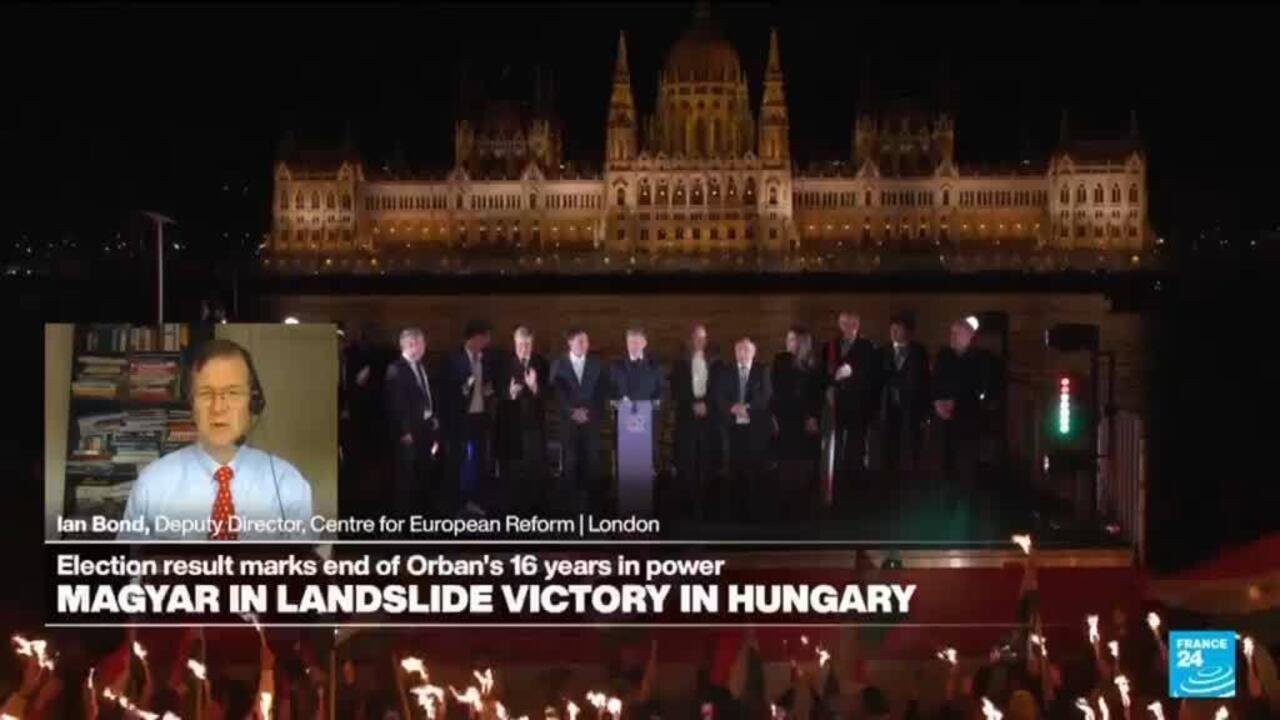
In the wake of Peter Magyar’s significant victory against Viktor Orbán, Hungary’s long-time autocratic leader, a new chapter begins for the nation. Genie Godula has invited Ian Bond, a former Senior British Diplomat and the Deputy Director of the Centre for European Reform, to discuss the broader implications of this election.
Understanding the Political Dynamics
Bond emphasizes the election’s relevance within the wider European political context, specifically touching on the limitations of right-wing populism and the enduring effects of strict governance. This shift in Hungary prompts a careful optimism, as Bond notes that while change is on the horizon, it is likely to be gradual and subject to contention rather than swift and revolutionary.
The Limits of Right-Wing Populism
One of the key aspects Bond highlights is the waning influence of right-wing populist movements across Europe. While these movements have gained traction over the past decade, their sustainability is increasingly in question, especially in light of Hungary’s recent political shift.
The Legacy of Hardline Governance
Bond reflects on the legacy of stringent governance that characterized Orbán’s tenure. This legacy leaves a complicated political landscape, where new leadership will face considerable challenges in implementing reforms while also addressing the lingering sentiments among the populace that supported Orbán.
Implications for EU Cohesion and Ukraine Policy
Furthermore, Bond discusses the implications of these developments for the European Union as a whole, particularly regarding its cohesive structure and policy towards Ukraine. As Hungary navigates this transition, its stance will play a critical role in shaping EU dynamics and the collective response to ongoing geopolitical issues.
Conclusion
The election in Hungary signals a pivotal moment that could redefine not just the country’s political landscape but also contribute to the re-evaluation of populism in Europe. While the journey ahead may be fraught with obstacles, it offers a glimmer of hope for a more democratic and collaborative European future.
Key Takeaways
- Peter Magyar’s victory indicates a shift away from autocratic rule in Hungary.
- Right-wing populism is facing significant limitations within Europe.
- Change in Hungary will be gradual and contested rather than immediate.
- The country’s transition may affect EU cohesion and its policies regarding Ukraine.