

North Korea and Russia: Military Cooperation and Ongoing Conflict
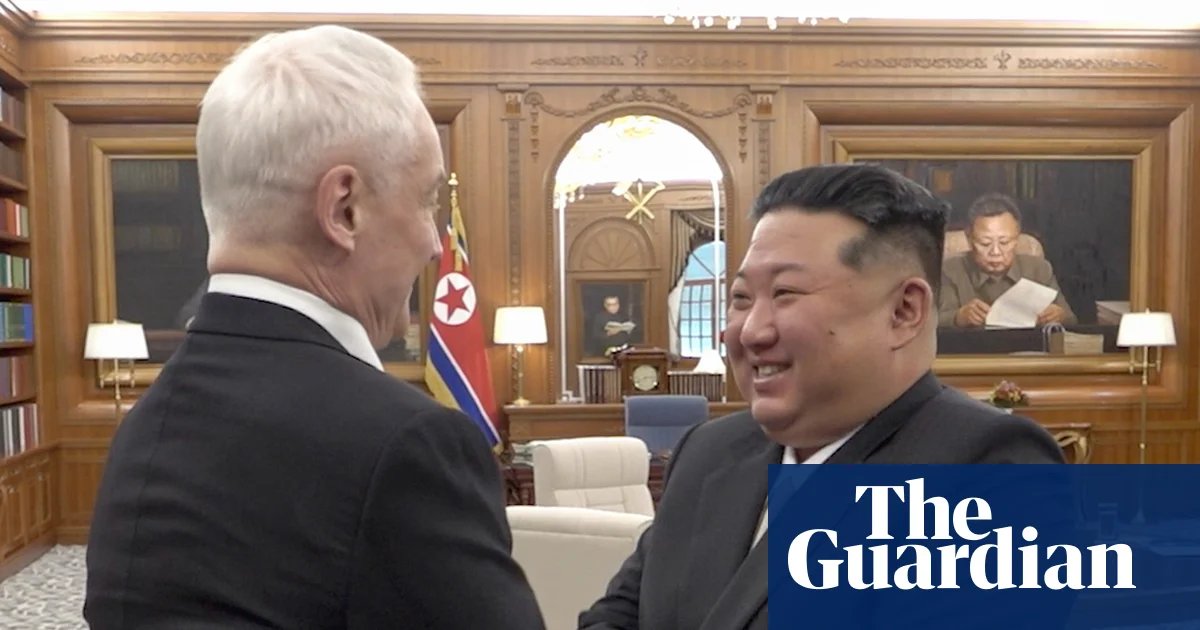
Recently, North Korean leader Kim Jong-un praised his nation’s troops who fought alongside Russia in the Kursk region amid the ongoing turmoil sparked by the war in Ukraine. This acknowledgment came as a Russian delegation visited Pyongyang for the inauguration of a memorial complex dedicated to those who lost their lives while supporting Moscow’s military efforts. A significant event unfolded when Ukraine launched an unexpected offensive into the Kursk area, regaining over 1,000 square kilometers of territory before being eventually repelled.
Strengthening Military Ties
During the meetings held in Pyongyang, officials from Russia and North Korea committed to a framework for “long-term” military collaboration. Andrey Belousov, Russia’s defense minister, announced, “We have made arrangements with the DPRK defense ministry to stabilize our military cooperation over an extended period.” This agreement is set to span from 2027 to 2031. North Korea’s support to Russia has included sending thousands of troops, along with missiles and munitions, while in return, it is reportedly receiving assistance in the form of financial aid, military technologies, food supplies, and energy resources from Russia.
Kim’s Tribute to Fallen Soldiers
Kim emphasized his administration’s commitment to supporting Russia’s quest to uphold its sovereignty and security interests. He is actively working to elevate the status of North Korean soldiers who fought in the Kursk region, portraying them as symbols of dedication and sacrifice. During a recent ceremony, he expressed, “The souls of the fallen will live forever with the great honor they defended,” in a handwritten note at the memorial, as reported by state media.
Escalating Conflict in Ukraine
In more recent developments, strikes throughout Ukraine, as well as in Russian-occupied areas and within Russia itself, resulted in at least 16 casualties. Notably, drone and missile attacks in Dnipro claimed the lives of nine individuals, as stated by regional head Oleksandr Hanzha. Additionally, a drone strike in Sevastopol, located in Russian-controlled Crimea, resulted in one fatality according to local authorities.
Zelenskyy’s Alarm over Nuclear Safety
On another front, Ukrainian President Volodymyr Zelenskyy marked the 40th anniversary of the Chornobyl disaster by accusing Russia of “nuclear terrorism.” He warned that Russian activities around Chornobyl are escalating the threat of a man-made disaster, citing that drones have frequently flown over the area, with one even striking its protective structure last year. Rafael Grossi, the director general of the International Atomic Energy Agency (IAEA), echoed these concerns during his visit to Kyiv, stressing the urgent need for repairs to the damaged protective shell of the Chornobyl plant. According to IAEA evaluations, the damage has already compromised vital safety functions and could pose grave risks if left unaddressed. The European Bank for Reconstruction and Development has estimated that repairs could cost upwards of 500 million euros ($586 million).
Ukrainian Strikes Deep in Russian Territory
Ukrainian forces have also made their presence felt beyond their borders, launching an attack on an oil refinery located in Yaroslavl, a significant distance within Russian territory. These strikes led to substantial fires at the facility, which is crucial for providing fuel for the Russian military. While Russia has yet to respond, Ukraine’s advancements in long-range drone technology enable it to target areas up to 1,500 kilometers (approximately 900 miles) inside Russia.
Additional Attacks and Diplomatic Efforts
In a related incident, a Ukrainian drone caused damage at a fertilizer plant in Russia’s Vologda region, resulting in the injury of five workers, according to local governor Georgy Filimonov. Fortunately, the situation was contained, and no hazardous chemical leaks occurred.
Amid these tumultuous events, former U.S. President Donald Trump shared that he has engaged in “good conversations” with both Vladimir Putin and Zelenskyy in hopes of resolving the ongoing conflict in Ukraine. In an interview, he expressed optimism about making headway on the situation. However, peace negotiations have been stalled since the attacks on Iran by the U.S. and Israel on February 28.
Conclusion
The ongoing situation highlights the complexities of the relationship between North Korea and Russia amidst the backdrop of the Ukraine conflict, characterized by sustained military cooperation and rising tensions. As events unfold, the international community continues to closely monitor developments in the region.
Key Takeaways:
- Kim Jong-un commended North Korean troops for their role in supporting Russia during the Kursk conflict.
- North Korea and Russia have established a long-term military cooperation agreement extending to 2031.
- Ukrainian airstrikes have resulted in significant casualties and damage across multiple regions.
- Zelenskyy has raised alarms about nuclear safety at Chornobyl amid ongoing Russian military activity.