

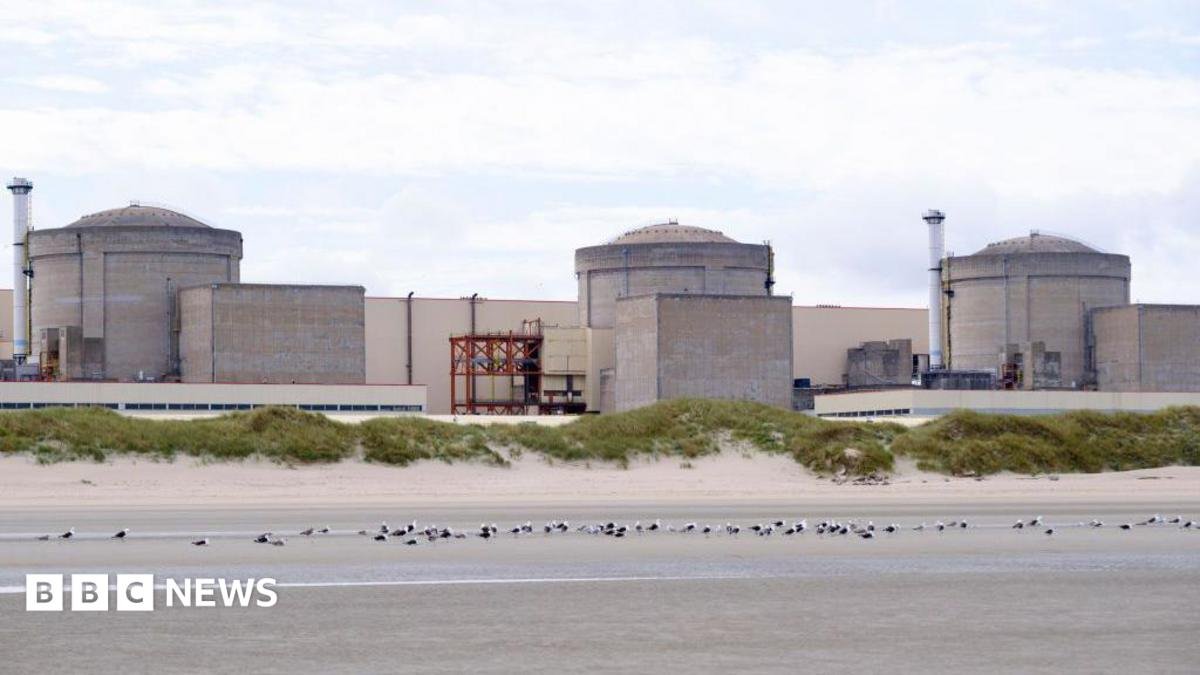
A Surge of Jellyfish Forces Partial Shutdown of Nuclear Reactor in France
Recently, a significant surge in jellyfish populations has prompted the temporary closure of parts of a nuclear reactor in northern France. This article outlines the details surrounding the situation at the Gravelines nuclear power station and its impact on operations.
Current Operational Status at Gravelines
The Gravelines nuclear power station, one of France’s largest, had to suspend operations in two of its six units on Wednesday and Thursday. According to Électricité de France (EDF), this action was taken due to jellyfish clogging the seawater filtration system that is critical for cooling the reactor. Additionally, a third unit has been offline since August 10 for similar reasons, and a fourth unit is currently undergoing inspection.
Historical Context of Jellyfish Incursions
This isn’t the first time the Gravelines facility has faced challenges from jellyfish. Last summer, the reactor was shut down for the same reason. As of now, EDF confirmed that units three, four, and six remain out of commission. Unit three had only just resumed operations on August 18 after an initial jellyfish event earlier this month. Meanwhile, units one and two are functioning at reduced capacity as a precautionary measure.
About Gravelines Nuclear Power Station
Located strategically between Dunkirk and Calais in the Hauts-de-France region, Gravelines boasts a total output of 5,400 megawatts, with each unit generating 900 megawatts. The station sources its cooling water from a canal that connects directly to the North Sea, which increases its vulnerability to marine life.
Environmental Factors Contributing to Jellyfish Activity
Jellyfish populations tend to thrive during warmer months, with hot weather resulting in increased levels of plankton in the water. This rise in plankton attracts jellyfish closer to shore, making them more likely to enter cooling systems of facilities like Gravelines. Various species of jellyfish are naturally found along the French coast, particularly in warm weather.
Preventative Measures and Comparisons
In an effort to mitigate these unexpected influxes, EDF has implemented several strategies, including collaborating with local fishermen to capture and transport jellyfish further offshore. Such proactive measures aim to minimize the impact on power production. Similar situations have occurred at other nuclear power plants, such as Torness in Scotland in 2011 and Oskarshamn in Sweden in 2013, although these occurrences remain relatively rare.
Conclusion
The recent jellyfish influx at the Gravelines nuclear power station underscores the delicate balance between marine ecosystems and human infrastructure. As jellyfish populations rise during warm months, the energy sector must remain vigilant and adapt to these environmental changes to ensure continued operations.
- Gravelines nuclear station faced shutdowns due to jellyfish clogging cooling systems.
- Two units were taken offline recently, while another had been shut since August 10.
- Warm weather increases jellyfish activity, impacting cooling processes for reactors.
- EDF is implementing strategies to mitigate jellyfish impact, including collaboration with fishermen.