

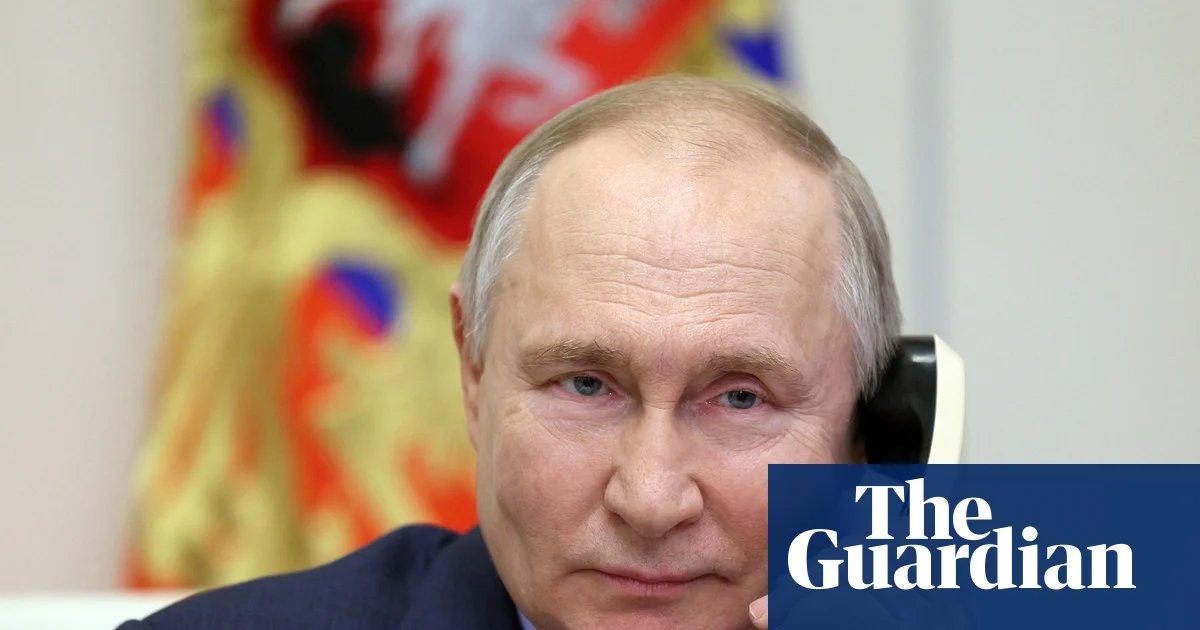
Nordic Leaders’ Talk with Putin Sparks Controversy
This week, a 90-minute phone call between the leaders of Finland and Norway and Russian President Vladimir Putin ignited unusual tension among the Nordic countries. In an unprecedented move, Finnish President Alexander Stubb and Norwegian Prime Minister Jonas Gahr Støre discussed significant issues relating to Ukraine, which left their neighbors in Denmark and Sweden questioning the partnership and coordination among the nations.
Unexpected Reactions from Denmark and Sweden
On Tuesday, Stubb and Støre emphasized that their call was made in the interest of Ukraine and that prior notice had been given to their allies. However, Danish Prime Minister Mette Frederiksen openly criticized the decision, expressing skepticism over the initiative and noting that Copenhagen had not been involved in the discussions. “I’m not sure what they hope to achieve,” she remarked. Sweden’s Prime Minister, Ulf Kristersson, echoed similar sentiments, stating that he was unaware of the call before it happened.
Growing Divisions in Nordic Collaboration
The friction between these countries reveals underlying divides that could hinder Europe’s diplomatic efforts with Moscow. Arkady Moshes, head of the Russia program at the Finnish Institute of International Affairs, remarked, “Instead of appearing as a united front, a rift is becoming apparent.” This discord raises concerns about the broader European strategy for engaging with Russia amidst ongoing tensions.
Complex Diplomatic Landscape
In recent months, European leaders have struggled to agree on appointing a representative to negotiate directly with Moscow regarding the war in Ukraine. As diplomatic urgency increases, especially with upcoming peace talks planned in Abu Dhabi, uncertainties surrounding Europe’s role in these discussions have escalated.
Some European diplomats have voiced their concerns, suggesting that the situation resembles a “free-for-all,” where many leaders seemingly believe they might unlock negotiations with Putin. Various European ambassadors have engaged with Russian officials this year, marking a stark contrast to the isolation established following the full-scale invasion of Ukraine in 2022.
Mixed Messaging from Nordic Leaders
Following the phone call, there was confusion regarding its true purpose. Initially, it was framed as a way to relay messages from Ukraine to Putin, but it later appeared that there were additional security interests at play. Støre defended the call by highlighting the importance of managing shared resources in the Barents Sea while also addressing security issues at their borders.
Joel Linnainmäki, a former Finnish diplomat, noted that the conflicting messages from Norway and Finland could create misunderstandings about the intention behind the call. “If it looks messy, it probably is,” he stated.
Debates Over European Representation
The question of who should lead the European outreach to Moscow is contentious. Kaja Kallas, head of the EU’s foreign policy, lacks the authority needed to negotiate without a consensus from member states. Many worry that renewed high-level dialogues with Putin could give him an edge without securing meaningful concessions in return.
Despite calls for unity in European stance towards a single representative for dialogue, the existing fragmented perspectives complicate any consensus. Reinier van Lanschot, a Dutch MEP, urged for EU leaders to convene in order to establish a unified approach, reiterating the necessity of including Ukraine in these discussions.
The Dilemma of Engaging with Putin
A crucial consideration remains whether engaging with Putin serves any purpose at all. Kristi Raik, director of ICDS, pointed out that such dialogues might give the impression that Ukraine’s allies are desperate. “It reflects a troubling narrative about our readiness,” she cautioned.
While Moscow has expressed a tentative willingness to engage in dialogue following earlier high-level meetings, analysts warn that interest should not be interpreted as readiness for compromise. Mushed emphasized the continued importance of recognizing Putin’s overarching goals, stating, “There’s no indication we’re moving toward a ceasefire; his plan remains military dominance over Ukraine.”
Conclusion
This week’s high-profile engagement between Nordic leaders and Putin reveals underlying tensions and the complexities of Europe’s diplomatic chessboard. As different nations navigate their positions and strategies, the path toward a unified approach to Russia remains fraught with challenges.
Key Takeaways
- The phone call between Finland and Norway’s leaders and Putin has caused unusual tension among Nordic countries.
- Denmark and Sweden voiced concerns over the lack of coordination regarding the call.
- There’s a growing debate in Europe about who should represent them in negotiations with Moscow.
- The potential for misunderstanding and fragmented messages poses a challenge to unified diplomatic efforts.