

Cyclone Strikes Southeastern India: Warnings and Evacuations Implemented
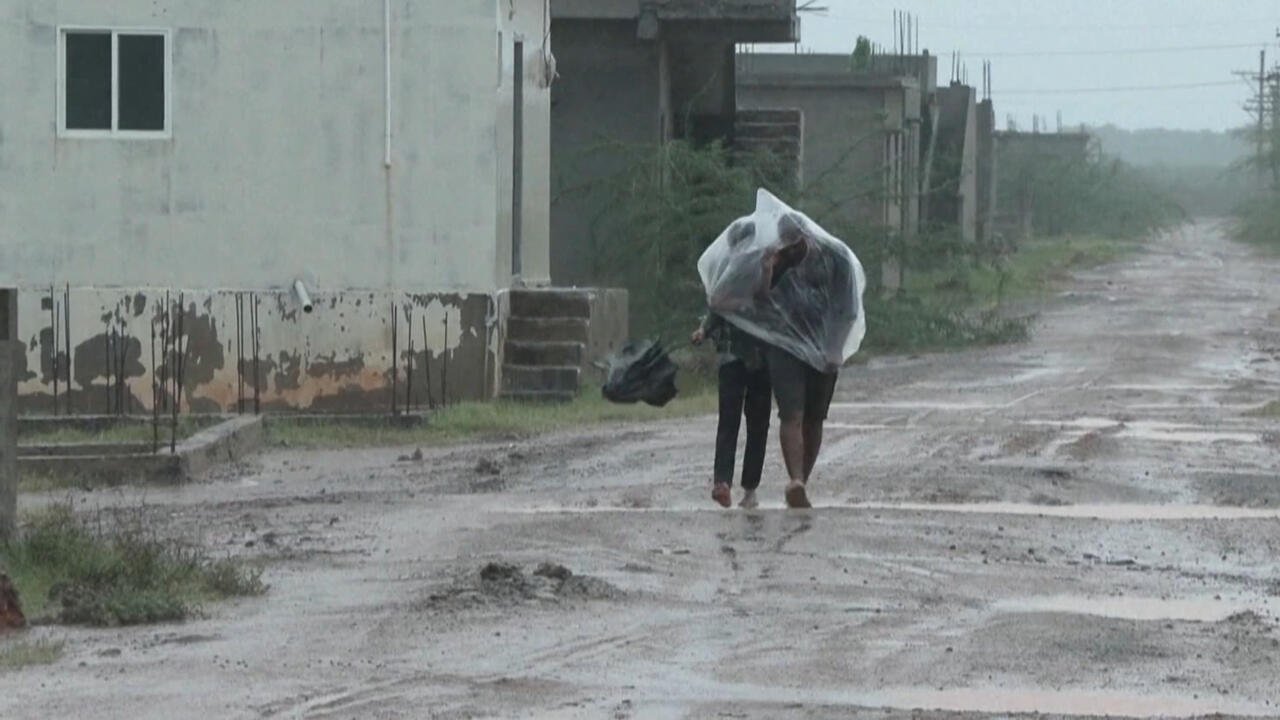
A powerful cyclone with winds reaching up to 125 kilometers per hour has made landfall on the southeastern coast of India. This severe weather event occurred on Wednesday, October 28, prompting authorities to issue warnings regarding potential localized flooding and the risk of damage to power and communication infrastructure. In response to the impending threat, authorities have evacuated at least 180,000 residents from vulnerable areas. Additionally, neighboring nations such as Sri Lanka and Nepal are on alert due to weather warnings related to the cyclone’s aftermath.
Impacts of the Cyclone
As the cyclone bears down on the coastline, concerns have escalated over the risks of flooding in low-lying regions. The potential for uprooted power and communication poles poses a significant threat to local infrastructure, complicating rescue and relief efforts as the storm progresses. Emergency services are on high alert, ready to respond to any incidents that may arise in the wake of the cyclone.
Evacuations and Preparedness
Authorities have urged residents to heed evacuation orders and take shelter in designated safe zones to ensure their safety. The evacuation process has been substantial, reflecting the scale of the cyclone’s threat. Local governments are actively coordinating with disaster management teams to facilitate transportation and provide necessary resources for evacuees.
Regional Weather Alerts
In light of the cyclone, Sri Lanka and Nepal have also issued weather warnings as they prepare for potential disruptions caused by the storm’s influence. The regional impact raises the need for caution, highlighting the extensive reach of severe weather phenomena in this part of the world.
Conclusion
The cyclone hitting southeastern India serves as a stark reminder of nature’s power and the importance of preparedness in mitigating risks associated with such disasters. As local authorities work tirelessly to protect and support affected communities, vigilance remains crucial as the storm continues its path.
- A cyclone with 125 km/h winds hit southeastern India on October 28.
- Over 180,000 people have been evacuated due to flooding risks.
- Sri Lanka and Nepal are also under weather warnings related to the cyclone.
- Emergency services are mobilized to ensure public safety and manage recovery efforts.