

Iceland Rejects EU Membership Talks in Recent Referendum
Iceland has made headlines by voting against reinitiating discussions about joining the European Union, 13 years after those talks were halted. According to reports, 52.8% of the over 225,000 voters opted against the proposal put forth by the government, while 47.2% supported it. A margin of approximately 12,600 votes separated the two sides.
The Context of the Referendum
The government, led by Prime Minister Kristrún Frostadóttir, initially pledged to conduct a referendum by 2027. However, citing rising international tensions—including threats from former U.S. President Donald Trump regarding Greenland—officials expedited the process. Interestingly, the discussion among Icelanders, a population of nearly 400,000, mainly focused on the fishing industry rather than broader security issues.
Voter Turnout and Demographics
With around 270,000 eligible voters, the turnout was reported at an impressive 82.5%, marking the highest participation rate in any Icelandic election since 2009. While Iceland is already integrated into the EU’s single market and the Schengen Area, full membership would mean entering the customs union and, eventually, the eurozone.
History of the EU Application
The journey toward EU membership started in 2009, following the financial crisis that severely affected Iceland’s banking system. Although the application was progressing well, it was halted when a eurosceptic government took office in 2013. Concerns around fishing rights were paramount then and still exist today, as these regulations significantly influence Iceland’s fishing economy.
Fisheries Protection and Economic Concerns
Historically, Iceland fought to protect its fishing industries during the Cod Wars of the 1970s, and these sectors continue to represent nearly 40% of the nation’s exports. Many voters who opposed EU membership feared that joining the bloc would compromise Iceland’s control over its rich fishing resources due to EU regulations governing member states’ catch limits.
Political Response to the Referendum Results
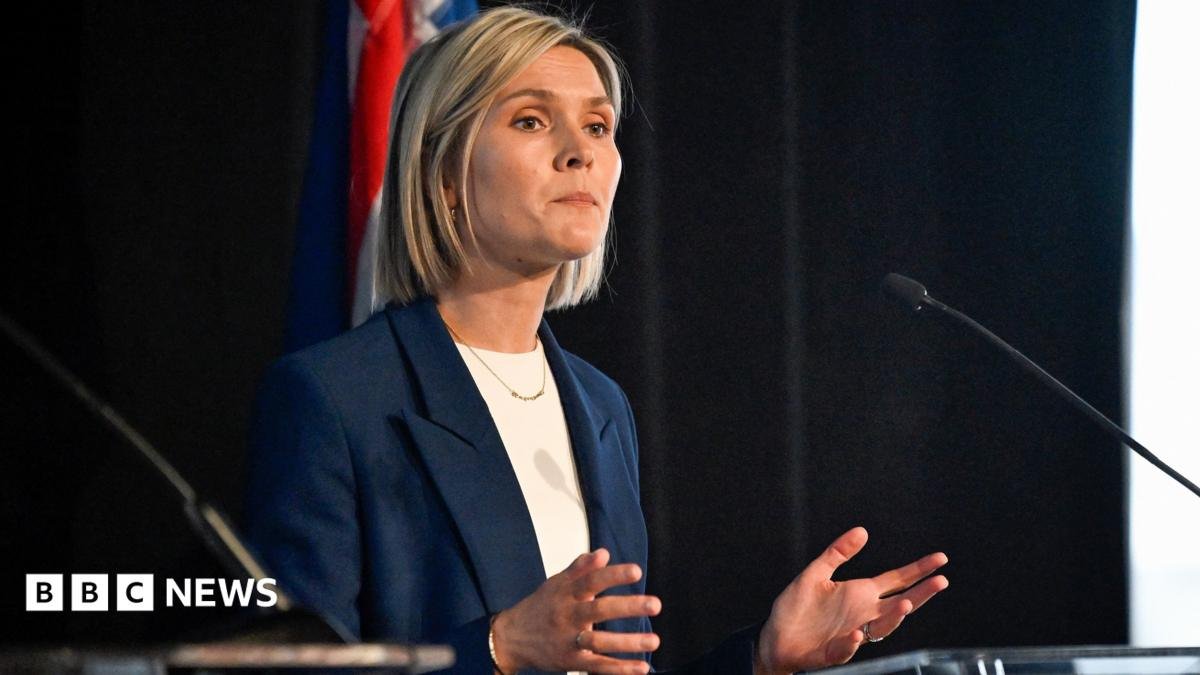
After casting her ballot, Prime Minister Kristrún commented on the significance of the debate surrounding Iceland’s global position. In a news conference the following day, she stated that the topic of EU membership would not be revisited while her government remains in power. One of her ministers emphasized that high voter turnout should not be seen as a setback for the administration.
Geographical Voting Trends
A notable divide emerged in voting preferences based on geography; residents of Reykjavík tended to support the negotiations while rural areas showed stronger opposition. The ballot question asked: “Should Iceland resume accession negotiations with the European Union?” A “Yes” vote would not have finalized EU membership but would have initiated steps towards an accession agreement, subject to approval in a subsequent referendum. Likewise, a “No” vote does not entirely eliminate the possibility of resuming talks in the future.
Security and Defense Considerations
Although economic matters dominated the discussion, security concerns were also at the forefront. As a founding member of NATO without a military of its own, Iceland relies heavily on its allies for defense. Joining the EU would have provided access to the bloc’s collective defense mechanisms. Recent geopolitical events, including Russia’s aggressive actions near the island and the U.S. interest in Greenland, have fortified discussions about national security.
Responses from Political Leaders
Following the referendum, the No camp celebrated the result, with eurosceptics across Europe expressing their approval. Notably, Nigel Farage, leader of Reform UK and a prominent voice in the UK’s exit from the EU, asserted that Icelanders chose to maintain their independence. French politician Marine Le Pen echoed these sentiments, suggesting that EU membership isn’t the ultimate goal for every European democracy. An EU diplomat described the outcome as a significant defeat for Brussels, attributing the decision to concerns over fishing rights and sovereignty.
Conclusion
The recent referendum showcased Iceland’s commitment to its autonomy and highlighted ongoing concerns about fishing rights and EU membership. With political leaders emphasizing differing viewpoints, the future of Iceland’s relationship with the EU remains an evolving topic.
Key Takeaways
- Iceland voted against resuming EU membership talks with a majority of 52.8% opposing.
- The high voter turnout of 82.5% is the highest since 2009.
- Concerns about fishing rights played a crucial role in the opinion against EU membership.
- The political landscape may still allow for future discussions on EU accession.