

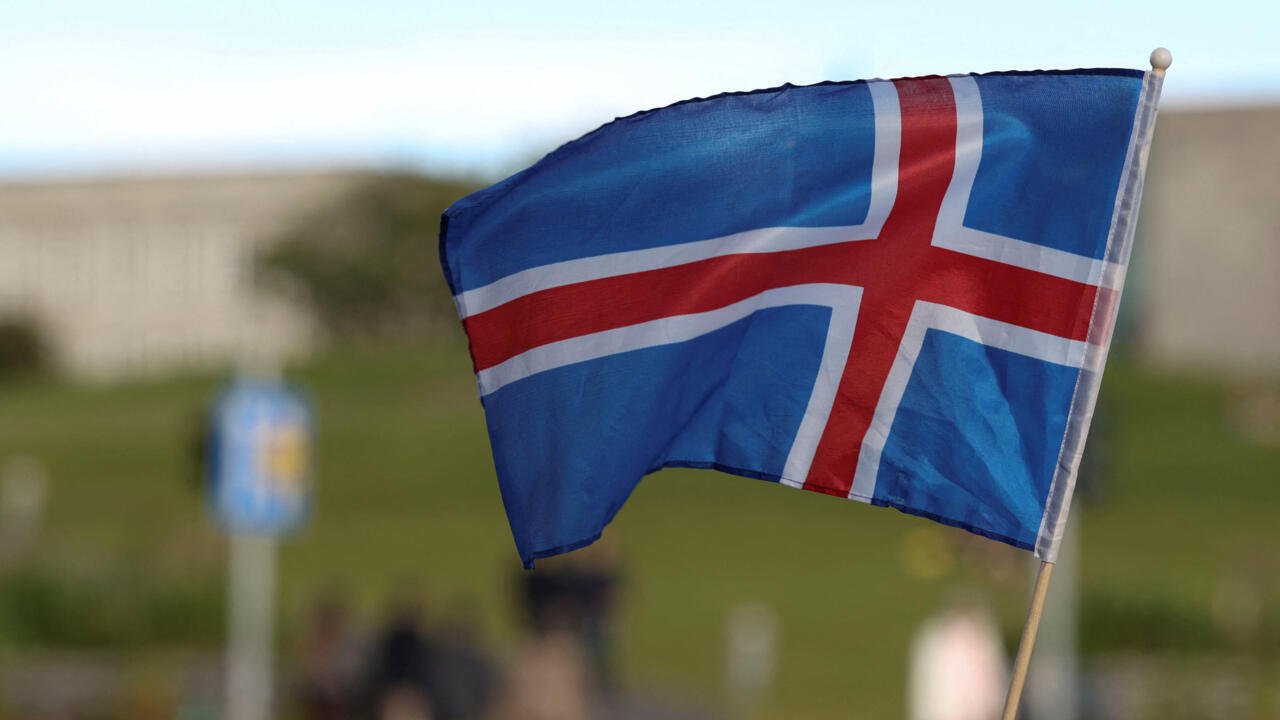
Iceland’s Referendum on EU Membership: Voters Choose Independence
In a significant move, the people of Iceland have decided to remain outside the European Union, as reported by local broadcaster RUV. This decision comes in response to a government initiative aimed at reopening membership discussions. A majority of voters, 52.8%, stood firm on the belief that safeguarding Iceland’s fishing waters was essential, defeating the proposal by a narrow margin against the 47.2% who supported it. Interestingly, Reykjavik was the sole region in the nation of approximately 400,000 residents to endorse the referendum.
The EU Membership Debate: A Crucial Moment for Iceland
The outcome of this referendum is likely to disappoint EU officials in Brussels, who had viewed Iceland as a potential low-risk addition to the bloc. Some argued that Iceland could play a vital role in easing skepticism surrounding EU expansion, especially amidst increasing security concerns in the Arctic region. Prime Minister Kristrun Frostadottir characterized this membership initiative as a “now or never” opportunity, urging voters that a “no” would definitively close the door on further EU discussions.
Perspectives on EU Membership
Supporters of EU membership maintained that joining the bloc could lead to lower interest rates and provide greater stability in an increasingly tumultuous global landscape, influenced by events such as the ongoing conflict in Ukraine and provocative statements from international leaders regarding territories like Greenland. Conversely, opponents raised concerns that EU membership could jeopardize the nation’s sovereignty and control over its vital fishing resources.
Political Climate and Future Implications
The referendum has sparked robust discussions about Iceland’s global position. Following her vote in Reykjavik, Prime Minister Frostadottir expressed her satisfaction, stating, “This is a great day. We’ve been waiting for this for years to be able to have a vote.” She also reassured the public that her government would persist in its endeavors regardless of the referendum’s result.
A Brief History of Iceland’s EU Aspirations
Iceland’s journey towards EU membership began in 2009, during a challenging financial crisis that struck its vulnerable economy. However, negotiations came to a halt in 2013, following the election of a Eurosceptic government. In light of continuing geopolitical instability, primarily linked to conflicts in the Middle East and changes in trade policies by the United States, the question of EU membership remains a pressing topic for Icelanders.
Conclusion
The recent referendum has highlighted Iceland’s complex relationship with the European Union and brought to light critical concerns regarding national sovereignty, economic stability, and the management of its fishing resources. As discussions evolve, it will be intriguing to see how this decision shapes Iceland’s future on the global stage.
Key Takeaways
- Icelanders have voted against EU membership by 52.8%.
- The primary concern for voters was the protection of Iceland’s fishing waters.
- Reykjavik was the only region that supported the membership proposal.
- The debate surrounding EU membership encompasses issues of sovereignty and geopolitical stability.