

Budapest’s Historic Election: A New Dawn for Hungary
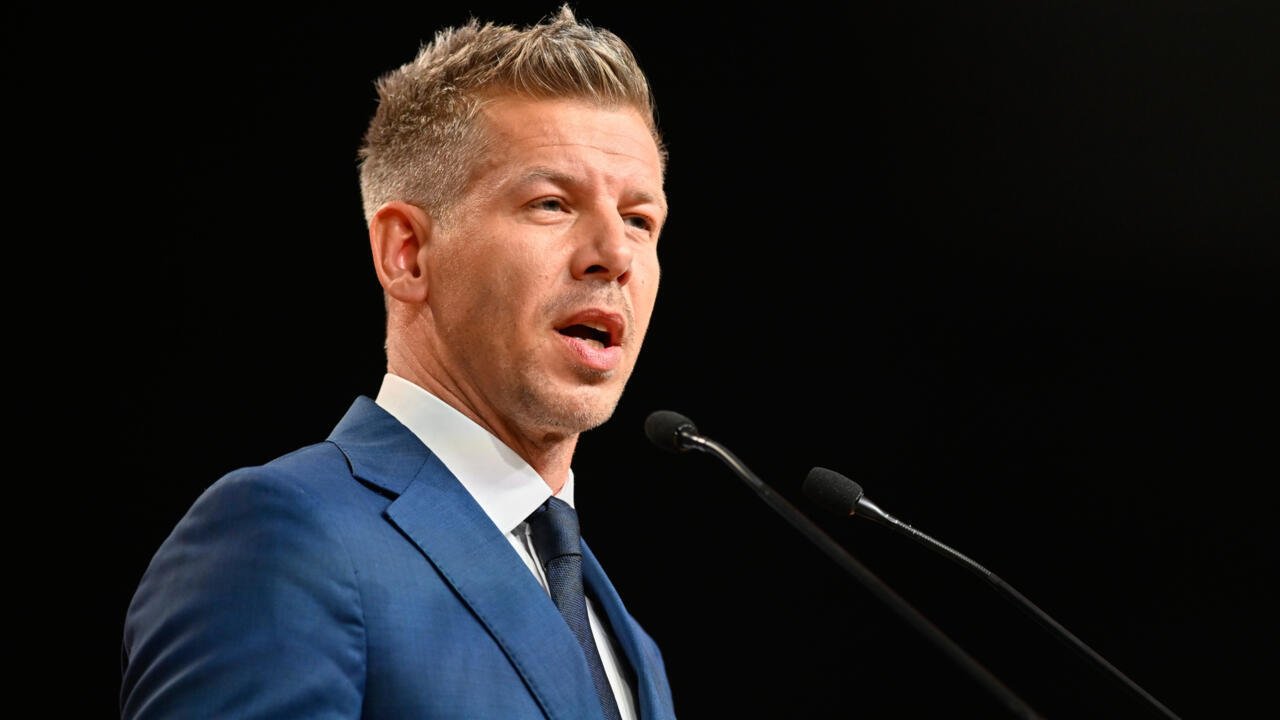
The recent elections in Budapest revealed a powerful shift in Hungary’s political landscape. As tens of thousands of Hungarians celebrated along the Danube, many with tears of joy streaming down their faces, Peter Magyar boldly declared, “We have freed Hungary.” After a long 16 years of Viktor Orban’s rule—characterized by a drift towards “illiberalism”—the people have chosen change. With a decisive 53.56 percent of the vote and a commanding 138 seats out of 199 in parliament, Magyar’s Tisza party has secured a two-thirds supermajority to restore checks and balances that Orban once dismantled.
A Wave of Relief for the European Union
The outcome was met with palpable relief in Brussels, with European Commission President Ursula von der Leyen proclaiming, “Hungary has chosen Europe.” However, the jubilation might be premature as the road ahead remains complex. Ian Bond, director of the Centre for European Reform in London, cautioned that while there may be grounds for optimism, “not everything is going to change.”
Magyar: The Unexpected Leader
Peter Magyar, a conservative and former Fidesz party member who split from Orban back in 2024, leads a surprisingly diverse coalition. Interestingly, 43 percent of his supporters identify as liberal, 22 percent as left-wing, 10 percent as Green, and only 11 percent as right-wing conservative. This balancing act will be crucial as he navigates institutional reforms while maintaining unity within his coalition. “His first priority is the rule of law, and that will keep him very busy,” remarked Denis Cenusa, an expert at the Geopolitical Security Studies Centre in Vilnius. This challenge will be intertwined with revitalizing the Hungarian economy and regaining access to EU structural funds.
The Economic Urgency
Among the reasons for the historic voter turnout of 79.5 percent, the state of the economy was paramount. Prices in Hungary have surged by 57 percent since 2020—the steepest rise in the EU, nearly double the bloc’s average increase of 28 percent. In stark contrast, the average monthly salary in Hungary stands at €1,037, whereas the euro area average is €2,654. Beneath these distressing figures lies a deeper issue: Hungary landed at the bottom of the EU’s Corruption Perceptions Index for 2025, scoring a mere 40 out of 100, reflecting a 15-point drop since 2012.
As his first order of business, Magyar announced Hungary’s intention to join the European Public Prosecutor’s Office, a significant anti-fraud and anti-corruption initiative, suggesting a strong commitment to addressing these urgent challenges.
Lessons from Poland
Brussels has witnessed similar situations before. The ousting of Poland’s PiS government by Prime Minister Donald Tusk’s coalition in late 2023 was met with celebration, but the excitement was tempered with caution. Tania Rancho, a researcher in EU fundamental rights law, pointed out that while Tusk didn’t change everything—particularly on issues like immigration and women’s rights—there’s a lesson to be learned about moderating expectations. Magyar, like Tusk, holds pro-EU and anti-corruption views, but his stance on contentious issues from the Orban era, such as LGBTQ rights, remains to be seen.
Controversial Stances on Immigration
On immigration, another key issue leveraged by Orban, Magyar’s views are complex. Though he has nationalist tendencies, he seems less inclined to exploit immigration politically, suggesting the possibility of finding common ground with Brussels as policies shift. Under Orban, Hungary took a hardline stance against immigration, but Magyar may adopt a more moderated approach.
Geopolitical Implications Ignited by Change
The election results also remove a long-standing obstacle within the European Union’s decision-making process, especially as Orban’s veto power had often hindered EU actions concerning Ukraine and Russian sanctions. However, experts urge caution. Magyar retains reservations regarding Ukraine, opposing the supply of weapons to Kyiv and displaying skepticism toward Ukraine’s EU ambitions. “I don’t believe in an overnight conversion,” said Bond, emphasizing that Magyar’s recent comments support this view.
Denis Cenusa expressed a nuanced perspective on the geopolitical implications of this political change. While Orban indeed created difficulties for EU integration, the progress is expected to continue regardless of his departure. He elaborated that although the defeat represents “a blow to European illiberalism,” it might paradoxically become a lesson for far-right elements to avoid Orban’s pitfalls.
Conclusion
The recent elections signal a significant new chapter for Hungary, characterized by a desire for reform and a return to European values. As Peter Magyar takes on the hefty task of leading this charge, Hungary stands at a crossroads of change, and the outcomes of these decisions will resonate far beyond its borders.
Key Takeaways
- Peter Magyar leads Hungary’s Tisza party with a two-thirds majority to restore institutional checks.
- Economic concerns played a crucial role in the historic 79.5% voter turnout.
- Joining the European Public Prosecutor’s Office signals Magyar’s commitment to fighting corruption.
- Expectations about rapid change should be tempered by historical lessons from Poland and the complexities of governance.