

The Ongoing Security Crisis in Mali: A Closer Look
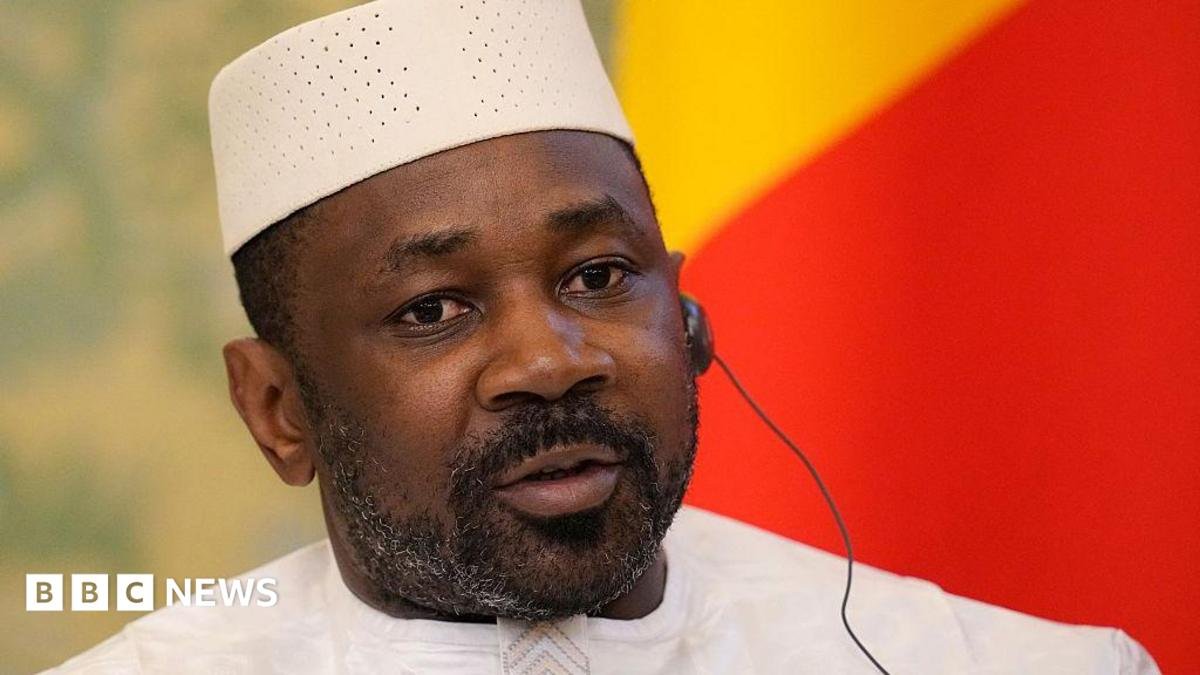
Mali, once a colony of France, has been embroiled in a severe security crisis since 2012, primarily due to a rise in Islamist insurgency. This persistent instability was one of the factors that led to Colonel Assimi Goïta’s coup in 2021. Despite the coup, violent attacks by jihadist groups have not only continued but have escalated, exacerbating an already dire situation.
Recent Developments in Mali’s Political Landscape
In the wake of troubling events last year, Mali’s Security Minister, General Daoud Aly Mohammedine, announced the arrest of certain “fringe elements” within the Malian armed forces. He stated that these individuals aimed to “destabilize the institutions of the republic.” The Minister highlighted that these soldiers, along with civilians, reportedly received assistance from foreign nations.
According to official sources, a figure known as Vezilier purportedly acted “on behalf of the French intelligence service.” This involvement reportedly extended to mobilizing local political leaders, civil society members, and military personnel to influence the situation in Mali.
Impact of Violence on Governance
The ongoing political tension in Mali has further deteriorated the security crisis. In April, Mali’s defense minister was killed in what appeared to be a suicide truck bombing at his residence near the capital, Bamako. This tragic incident occurred amid a surge of militant attacks and resulted in Goïta assuming the role of defense minister shortly after, seemingly to reinforce his already considerable grip on power.
Islamist Threats and Blockades
As Islamist militants tightened their grip, the capital faced significant threats, resulting in a partial blockade in Bamako and total blockades in other cities, including Ségou. In response to increasing unrest, the junta announced the dissolution of all political parties last May. Former Prime Minister Moussa Mara described this move as a substantial setback to any reconciliation efforts initiated by the military government.
Governance Promises and Delays
Colonel Goïta had initially pledged to hold elections within two years after taking power; however, these elections have yet to materialize. Last July, the transition period was extended by five years, allowing Goïta to remain in control of Mali until at least 2030.
New Alliances and Ongoing Challenges
To combat the ongoing jihadist attacks, Mali, along with its neighboring countries Niger and Burkina Faso, has sought assistance from Russian allies after severing ties with France. Unfortunately, despite these new alliances, the security landscape in the region has seen little to no significant improvement.
Conclusion
Mali’s journey post-colonization has been riddled with challenges, particularly in navigating its current security crisis. As political tensions rise and violence continues to disrupt daily life, the future remains uncertain for the nation’s governance and safety.
- Mali has faced a security crisis since 2012 due to Islamist insurgency.
- Political instability was heightened following the coup led by Colonel Goïta in 2021.
- The military junta has dissolved all political parties amid a wave of unrest.
- Mali has sought support from Russian allies, yet the security situation remains precarious.