

Changes to France’s Protected Produce Regulations Amidst Climate Challenges
The National Institute for Origin and Quality (INAO), which oversees France’s origin labels, has introduced temporary adjustments to regulations for various protected products due to the adverse impacts of the summer heat. This article delves into the affected products, the rationale behind these changes, and the broader implications for the future of food identity in France.
Affected Products
The recent regulatory changes will benefit a range of products, including:
- Calvados and cider from Normandy
- Crémant d’Alsace sparkling wine
- Lamb from Poitou-Charentes
- Reine-Claude plums
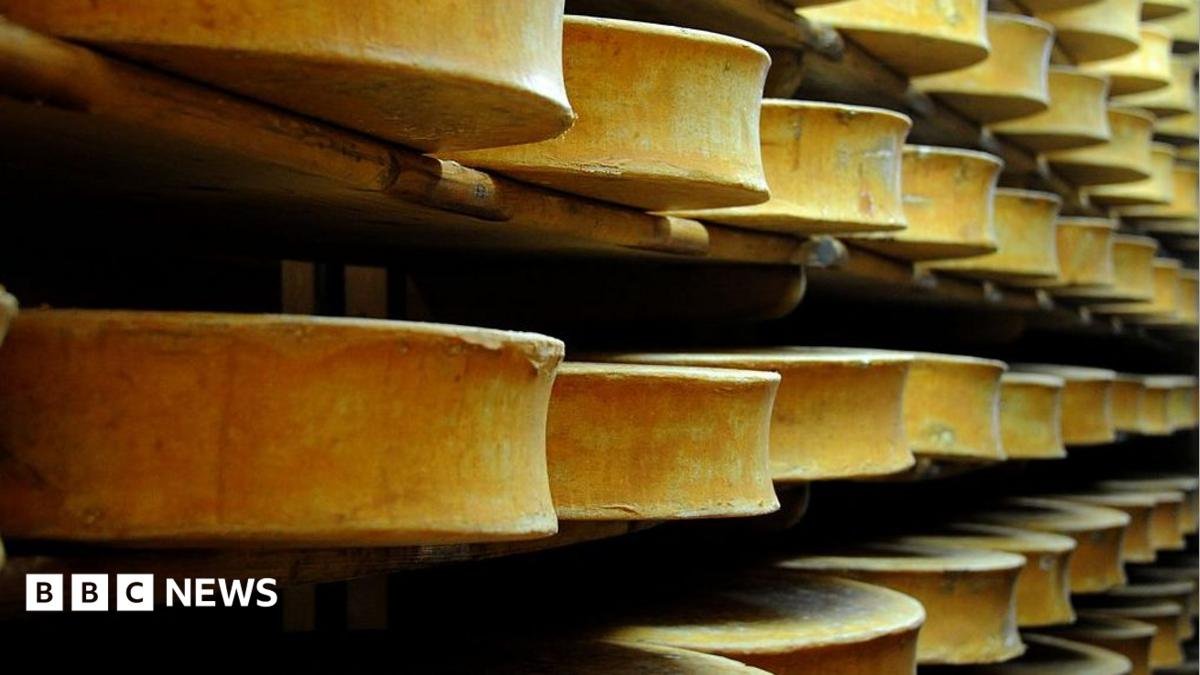
These products hold certificates of origin, allowing farmers to market their goods at a premium, maintaining strict adherence to specific production locations and methods. The primary goal is to safeguard the distinctive character of various cheeses, wines, and other foods, which are directly tied to their unique terroir—a concept signifying the interplay between local traditions and geography.
The Impact of Climate on Production
Due to what has been described as a “historic” drought in 2026, the INAO is permitting temporary rule adjustments. For instance, producers of Abondance cheese in the Alps can now reduce the proportion of pastured grass in their livestock’s diet from 50% to 15%. They are also allowed to import forage from outside their designated area and incorporate certain supplements.
Similarly, Comté cheese producers in the Jura mountains can substitute the local green maize typically fed to their cattle for imported maize from other regions.
Legal Frameworks
Such exemptions are permitted under both French and European law during periods of extraordinary weather. This isn’t the first time such measures have been implemented; similar adaptations occurred following the dry summer of 2022.
Future Considerations
The long-term consequences of these adjustments prompt important questions about the sustainability of existing origin labels in France and beyond. As climate change continues to affect agricultural regions, the feasibility of producing certain traditional foods in their original locales may be further jeopardized. This ongoing situation could challenge the very essence of terroir, requiring a reevaluation of its significance.
Conclusion
As France grapples with the effects of climate change on its agricultural practices, the recent changes by the INAO could yield insights into the balance between tradition and adaptation. The coming months will be critical in determining whether these adjustments impact the taste, quality, and market pricing of these renowned products.
Key Takeaways
- The INAO is allowing temporary rule changes for several protected French products due to climate impacts.
- Farmers are permitted to modify traditional feeding practices to adapt to ongoing drought conditions.
- These adjustments raise questions about the future viability of origin labels amid changing environmental conditions.
- The concept of terroir may be challenged as the climate continues to evolve and affect agricultural production.