

Seismic Elections in Eastern Germany: A Pivotal Moment
This weekend, Germany is on the edge of its seat as significant elections unfold in the eastern region of Saxony-Anhalt. The Alternative für Deutschland (AfD) party is striving for a majority in the local parliament, and an outright victory would mark a historic moment— the first time a far-right party would hold state-level power since the post-war era. This election could reshape German politics and has raised serious concerns among the AfD’s opponents. Meanwhile, it poses additional challenges for Chancellor Friedrich Merz of the conservative CDU party, as doubts surrounding his ability to maintain his position continue to grow.
The Stakes of the Election
For the AfD, capturing a majority represents more than just a regional win; it’s a crucial step toward realizing their ambitions for national influence. The potential ramifications of this election could be profound, altering the political landscape in Germany significantly. On the other hand, Merz, who has faced public discontent and even been booed at recent events, appears to be struggling as a valuable electoral figure. His earlier commitment to curb the rise of the far-right has seemingly backfired, contributing to the party’s increasing visibility and support.
Meet the Lead Candidate: Ulrich Siegmund
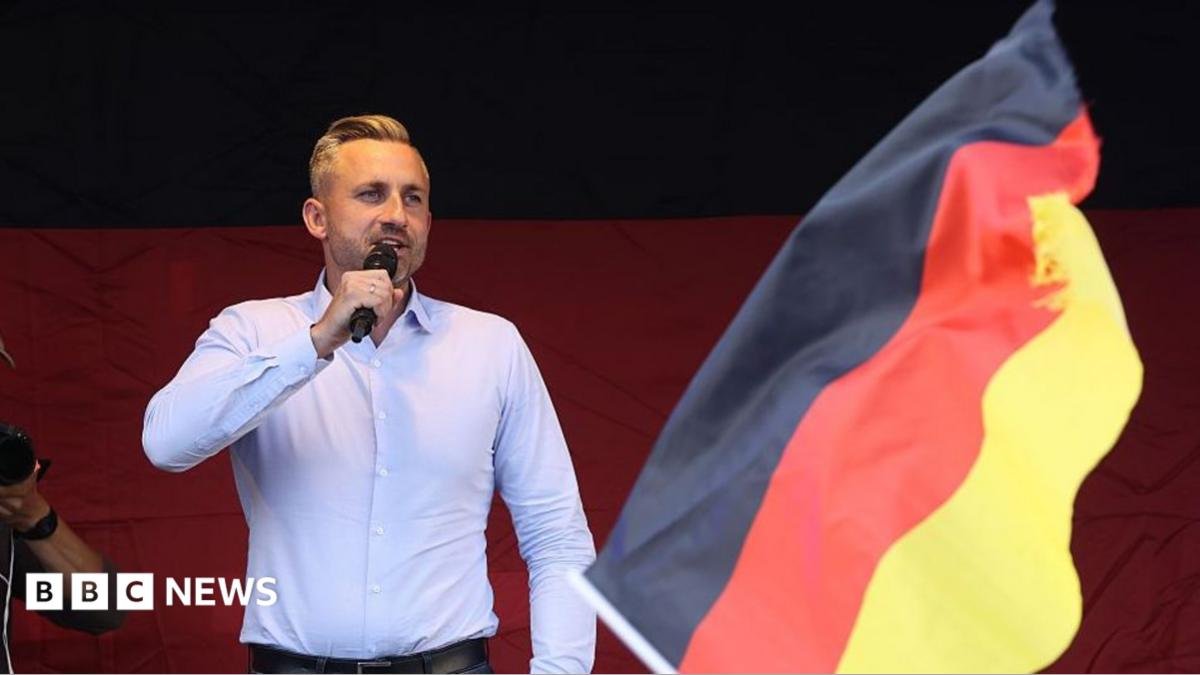
Ulrich Siegmund, the AfD’s charismatic leading candidate in Saxony-Anhalt, has gained considerable media attention, often dominating discussions surrounding the election. Notably labeled “Germany’s Most Dangerous Man” by a prominent magazine, Siegmund has downplayed allegations regarding connections to individuals with past ties to neo-Nazi groups. At just 35 years old, he is frequently spotted at rallies with enthusiastic supporters and even shares moments riding his vintage East German scooter on social media, appealing to sentiments of nostalgia.
Factors Fueling AfD’s Popularity
The surge in AfD support can be attributed to a mix of factors, including discontent with immigration, concerns over public safety, and frustrations surrounding the current economic climate. Many voters are voicing their displeasure about soaring energy costs and the financial assistance being provided to countries like Ukraine. This combination of nostalgia for a different era and present dissatisfaction has significantly bolstered the party’s following in its eastern strongholds.
Conclusion
The upcoming election in Sachsen-Anhalt is not just about regional governance; it has the potential to result in sweeping changes in German politics. With the AfD striving for a historic majority, the ramifications could extend far beyond the immediate political landscape, influencing the future direction of the country. As both supporters and opponents watch closely, the political atmosphere in Germany hangs in delicate balance.
- The AfD aims for a historic majority in Saxony-Anhalt.
- A win for the far-right could alter the political fabric of post-war Germany.
- Chancellor Friedrich Merz faces increasing pressure and public discontent.
- Voter issues include immigration, safety, and economic struggles.