

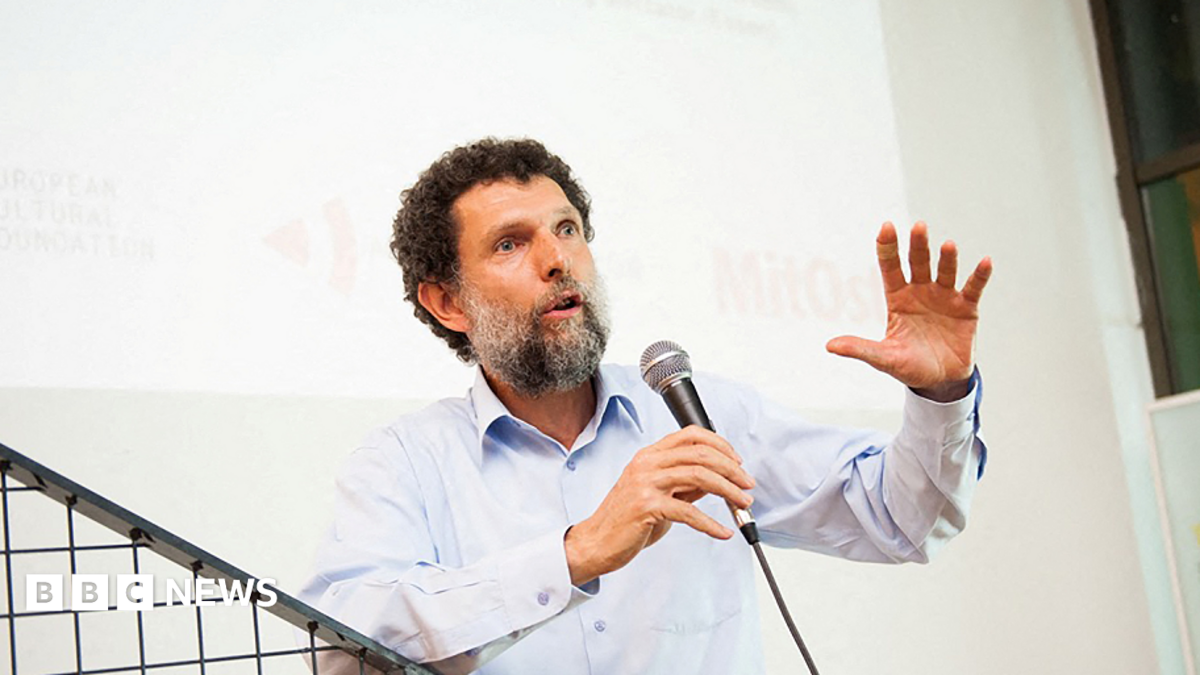
The Ongoing Saga of Osman Kavala: A Symbol of Civil Rights Struggles in Turkey
Osman Kavala, a prominent figure in Turkey’s fight for civil liberties, has become emblematic of the government’s repression of dissent. Following his arrest in October 2017, Kavala has faced a myriad of allegations tied to his supposed role in financing and orchestrating anti-government protests that erupted across Turkey starting in 2013. These protests, initially sparked in Istanbul’s Gezi Park, represented a significant challenge to the leadership of President Recep Tayyip Erdoğan, who transitioned from prime minister to president in 2014.
Allegations and International Response
Human rights organizations, including Amnesty International, have consistently argued that the charges against Kavala are unfounded. They claim that authorities have misrepresented the Gezi Park protests as a coup attempt against the government. In 2019, the European Court of Human Rights (ECHR) called for Kavala’s immediate release, deeming his detention arbitrary and politically motivated. Despite this ruling, Turkish authorities have not acted to free him.
Legal Whirlwind
In February 2020, Kavala was acquitted of charges related to the Gezi Park protests, but his freedom was short-lived. Just hours after the acquittal, he was rearrested on new accusations related to a failed coup attempt in 2016. The reversal of his acquittal in January 2021 led to a life sentence handed down in April 2022. This conviction has since been declared “null and void” by the ECHR, maintaining questions about the legitimacy of Turkey’s judicial system.
Calls for Justice
Following the latest ruling from the ECHR, Amnesty International’s Eve Geddie made a statement urging Turkish authorities to cease obstructing justice and to release Kavala immediately and unconditionally. Kavala’s background adds another layer to his story; born in Paris and educated in the UK, he was known for his work in cultural initiatives before gaining notoriety.
Political Implications
Erdoğan has often accused Kavala of acting as an agent for the U.S. billionaire George Soros, further politicizing the case. Turkey’s refusal to comply with multiple ECHR rulings on Kavala has elevated the case into a significant point of contention between Turkey and European institutions. The Council of Europe, overseeing compliance with ECHR rulings from its 46 member states, possesses the authority to impose sanctions on countries failing to uphold the rule of law.
Next Steps in the Kavala Case
Despite Turkey’s persistent non-compliance with pivotal ECHR decisions, it has not severed its connection with European legal frameworks. A committee meeting scheduled for mid-September will likely focus on Kavala’s case, but it remains uncertain if this could lead to severe consequences for Turkey’s membership within these European institutions.
Conclusion
Osman Kavala’s situation highlights the ongoing struggles for civil rights in Turkey, drawing international attention to the intersection of political power and judicial independence. As his case unfolds, it continues to serve as a potent symbol of resistance against government repression.
- Osman Kavala has faced numerous allegations regarding his role in anti-government protests since 2013.
- The ECHR has declared his detention arbitrary and politically motivated.
- Kavala’s legal battles illustrate the tensions between Turkey and European human rights structures.
- The upcoming Council of Europe meeting could address potential repercussions for Turkey regarding Kavala’s case.