

Is Air Travel Safe This Summer? Insights on Fuel Shortages
This summer, air travel is facing uncertainty as fuel shortages loom over European airlines. With the ongoing blockade in the Strait of Hormuz affecting global oil supplies, concerns are rising that Europe could run out of jet fuel before peak travel months arrive. The situation began attracting attention in mid-April when the head of the International Energy Agency warned that Europe had only “maybe six weeks of jet fuel left.”
The Impact of Blockades on Fuel Supply
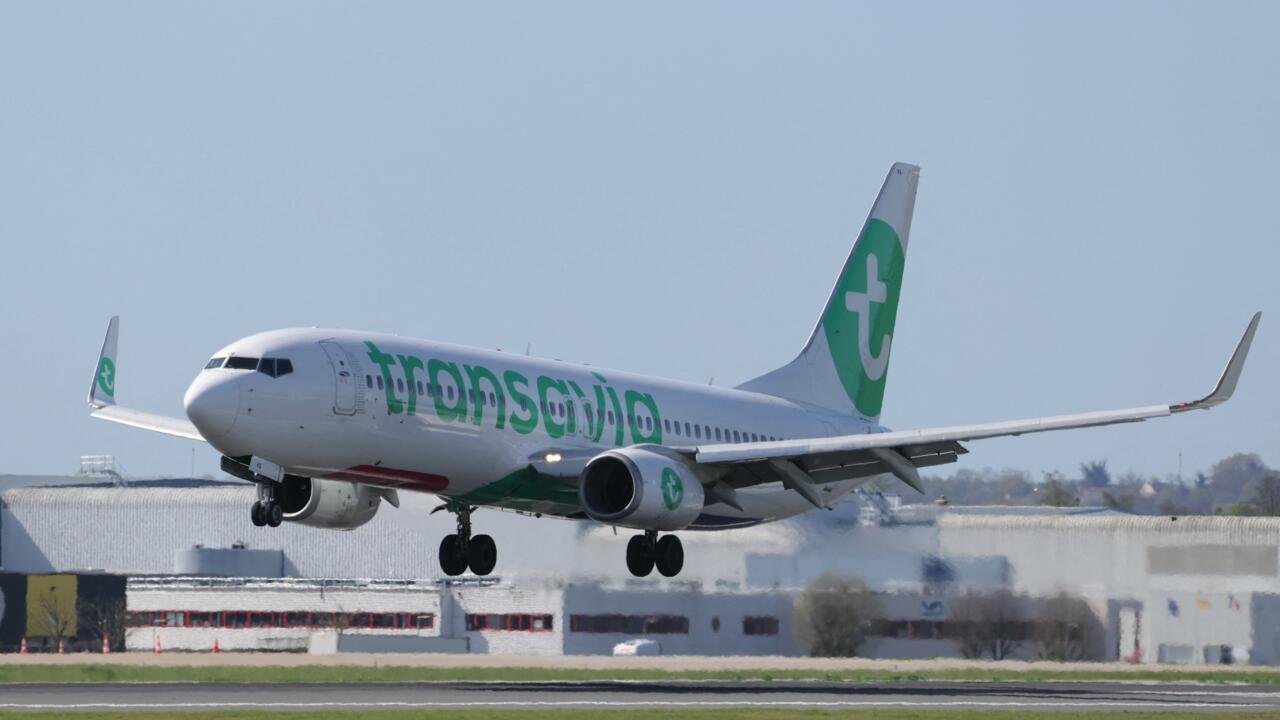
As discussions between the US and Iran stall, airlines such as Transavia, Ryanair, and Volotea have begun cancelling some flights, citing spiraling fuel costs and challenges in importing kerosene from Gulf nations. This raises the question: how likely is it that European flights will be grounded this summer? And what steps can travelers take if their flights are affected?
Fuel Shortage Explained
The blockade at the Strait of Hormuz has led to significant concerns about kerosene shortages, which is critical for most aircraft engines. Wouter Dewulf, a transport economics expert, noted that France’s production of kerosene is significantly less than its consumption, with the country producing only 3 million tonnes annually against a demand of 5 million. The remaining supply is sourced internationally, particularly from the Middle East, further complicating the situation as the blockade persists.
Prior to the escalation of the Middle Eastern conflict, around 50% of France’s jet fuel was refined domestically, with 20% sourced from the Middle East and the rest from Europe, the US, and Asia. Many other European nations face similar dependencies, making the entire continent quite vulnerable during international crises.
France’s Relative Position
Despite these challenges, France appears somewhat more insulated than its neighbors, suggests Thierry Bros, an energy specialist. The UK, for instance, relies heavily on imports for 60% of its kerosene supplies from Saudi Arabia, the UAE, and Kuwait. Major Paris airports like Orly and Charles de Gaulle are less likely to be impacted due to their connections to a network of pipelines and refineries that primarily source crude from North America. According to Aéroports de Paris, there is no immediate risk, although smaller airports may still face challenges.
Currently, France has a strategic stock of fuel amounting to around two million barrels, as confirmed by government officials. This stockpile, alongside other commercial reserves, suggests that while a fuel shortage is plausible, immediate concerns are mitigated for now.
Looking Ahead: What If the Conflict Persists?
Experts suggest that while the summer season may be secure, the potential for complications could arise in the fall if the conflict continues. The French government is proactively engaging with airlines to strategize for the busy summer ahead. Similarly, the EU is implementing measures to monitor kerosene supply and maximize production at refineries to avoid further setbacks.
Travel Costs and Economic Pressure
Though preparations are being made, travelers might face rising costs. Even if fuel is available, prices could soar dramatically. Bros points out that kerosene prices have more than doubled since the conflict began, significantly affecting airfare since fuel constitutes up to 40% of ticket costs.
Low-cost airlines are especially vulnerable and may continue cancelling less lucrative flights or raising fares as they adapt to these economic pressures. Transavia’s recent price increases reflect this trend, as profitability becomes a central concern rather than mere fuel availability.
Understanding Flight Cancellations
If your flight does get cancelled, it’s essential to know your rights. Under EU regulations, airlines must notify passengers at least 14 days in advance and provide options for refunds or rescheduling without additional fees. However, if the cancellation is due to extraordinary circumstances, such as ongoing geopolitical tensions, airlines might not be required to offer further compensation.
Conclusion
As air travel faces unprecedented challenges this summer, understanding the fuel situation and knowing what to do in case of cancellations can help travelers prepare for their journeys. Keeping abreast of developments and being aware of your rights is key during these uncertain times.
Key Takeaways:
- The Strait of Hormuz blockade is causing potential jet fuel shortages in Europe.
- France has some strategic reserves, easing immediate concerns, but the situation could change.
- Travelers may experience increased ticket prices even if fuel remains available.
- It’s important to understand your rights regarding flight cancellations under EU law.