

The Challenges Surrounding Iran and EU Energy Security
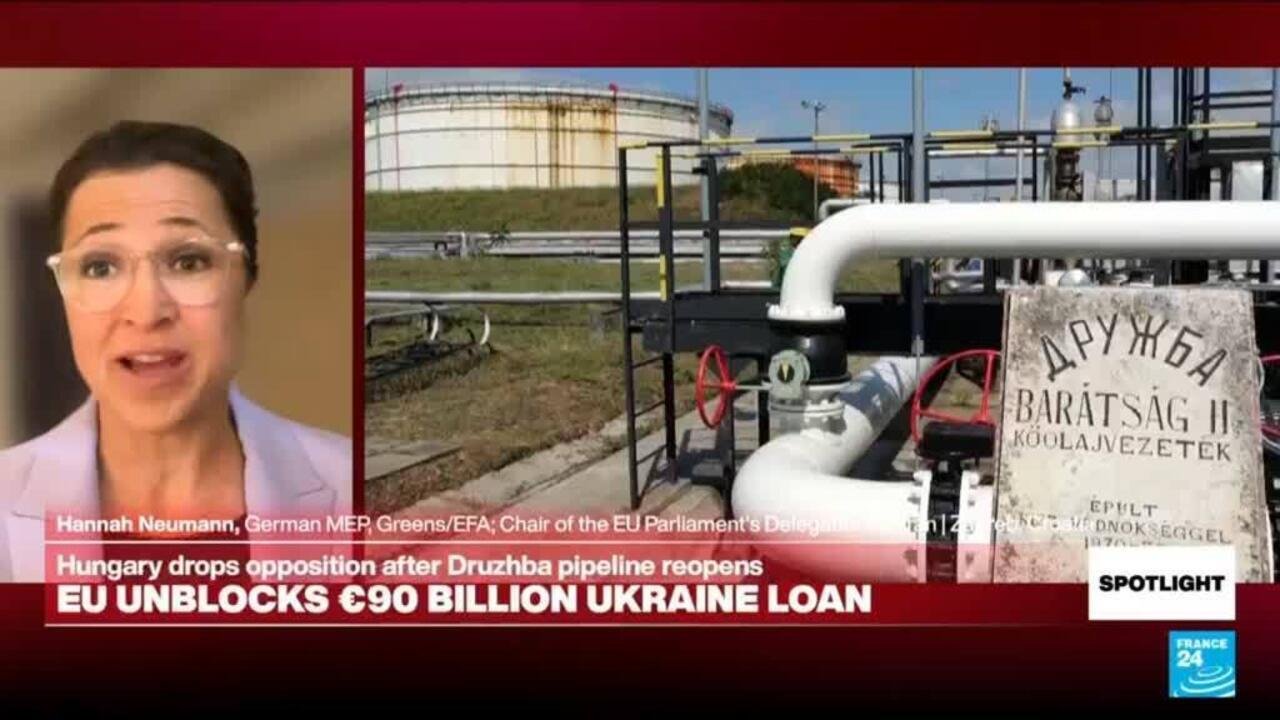
In this insightful discussion, we delve into the complexities shaping the geopolitical landscape around Iran and the implications for the European Union’s energy security. Our guest, Hannah Neumann, a German MEP and chair of the EU Parliament’s Delegation for Iran, shares her perspective on the intricate, often confusing negotiations surrounding Iran. She sheds light on the EU’s strategic position amid a fragmented global environment.
Understanding the Geopolitical Context
Hannah Neumann emphasizes that the core issue at hand is not just the unpredictable nature of negotiations but also their lack of clarity and coherence. She points out that, “the main problem is that they don’t even have a clear focus on what they are negotiating about.” This statement highlights the need for a well-defined approach in diplomatic discussions.
The Absence of Clear Objectives
Ms. Neumann critiques the current diplomatic efforts, noting the absence of well-established objectives related to crucial areas such as nuclear policy, maritime security in the Strait of Hormuz, and broader questions concerning the Iranian regime. She argues that a clearer focus is essential for effective negotiations.
The Role of Civil Society
Another significant aspect discussed is the systematic exclusion of Iranian civil society from international conversations. Neumann asserts this exclusion is further intensified by the digital repression faced by many in Iran, pointing to a critical blind spot in global diplomacy.
The EU’s Energy Vulnerability
Neumann highlights Europe’s reliance on fossil fuels, which leaves it susceptible to geopolitical threats. “The wars in the Middle East and Ukraine show how interconnected these different conflicts are and how absurd the situation is,” she states. This interconnectedness raises alarms about Europe’s energy security in the face of ongoing conflicts.
Case Example: EU and Russian Energy Interdependence
For instance, while the EU has found a solution with Hungary to provide a €90 billion aid package to Ukraine, the oil flowing through the Druzhba pipeline simultaneously supports the Russian war economy. This situation underscores the conflicting interests at play and the necessity for the EU to reassess its energy strategies.
Moving Toward Energy Autonomy
According to Neumann, genuine political independence for the European Union can only be achieved through a robust transition to renewable energy. She cautions that until that shift occurs, “these war-driving authoritarian regimes can basically blackmail us with their fossil energy.” This reality presents a pressing challenge for the EU as it seeks to navigate both energy security and geopolitical stability.
Conclusion
The complexities surrounding Iran and Europe’s energy security necessitate a comprehensive understanding of the interconnected geopolitical landscape. As discussions continue, clarity and defined objectives must take center stage to foster productive diplomatic efforts and ensure a stable future for the EU.
Key Takeaways
- Diplomatic discussions on Iran suffer from a lack of clear objectives and focus.
- Exclusion of Iranian civil society from negotiations compounds the challenges faced.
- Europe’s dependence on fossil fuels makes it vulnerable to geopolitical coercion.
- A transition to renewable energy is essential for the EU’s political autonomy and energy security.