

Students Demand Accessible Education in French-Speaking Belgium
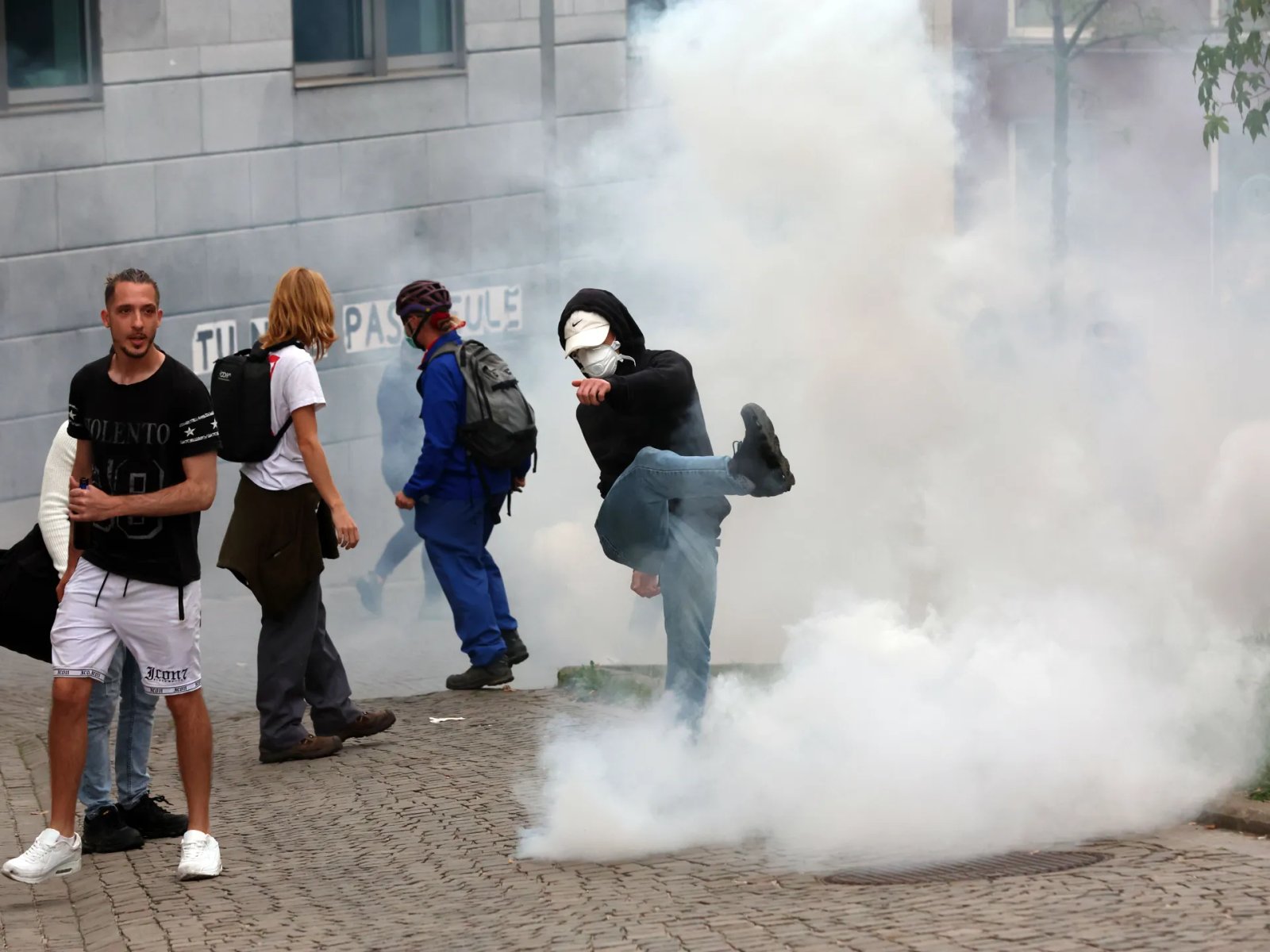
In recent days, students in the French-speaking regions of Belgium have been making their voices heard, calling for greater accessibility in education. These protests, sparked by frustrations over overcrowded classrooms and a lack of resources, come amidst similar demonstrations in neighboring France.
Protests Erupt in Liege
In the city of Liege, the demonstrations took a more intense turn, leading to police detaining over 100 individuals. The unrest unfolded over two days, where many students voiced their concerns about the pressures facing the educational system. According to local reports, about 80 people were held by the police, and 27 formally arrested due to some protesters damaging property and setting fires.
Voices from the Streets
Students participating in the rallies expressed that they felt urgent action was necessary, saying the current state of the education system forced them to take to the streets. A 19-year-old aspiring teacher, Amelia Di Salve, noted, “When we saw nothing was changing without protests, we decided we would start.” She added that the ongoing protests in France had some influence on their decision to organize.
Another student, Alfred, also 19, remarked, “We support each other because we’re facing pretty much the same issues.” This sentiment reflects a growing solidarity among young people in both countries as they confront similar barriers in their education systems.
A Call for Dialogue
In the wake of these events, local authorities have been working to ease tensions among the demonstrators. Willy Demeyer, the mayor of Liege, expressed hope for constructive dialogue, stating, “Dialogue can be established,” and emphasized the importance of addressing young people’s grievances in a peaceful manner.
Understanding the Educational Landscape
Education in Belgium is managed by its linguistic communities, with no unified national curriculum. The French-speaking community oversees education in Wallonia, while the Dutch-speaking region of Flanders has its own educational regulations. Interestingly, in the bilingual capital Brussels, parents have the autonomy to choose where to enroll their children.
The protests in Liege are not isolated incidents. Throughout the summer, there were also sporadic protests in Brussels against rising tuition fees, which increased significantly from 835 euros to 1,194 euros. These financial burdens are compounded by the current cost-of-living crisis and sky-high energy prices, leading to a surge in student activism across Belgium and France.
Conclusion
The recent protests in Belgium by students in French-speaking regions highlight the urgent need for change and accessibility within the education system. As frustrations continue to mount, the importance of dialogue and action remains critical for addressing these pressing issues.
- Students are rallying for accessible education amidst rising costs.
- Protests in Liege resulted in over 100 detentions due to escalating tensions.
- Local authorities seek to engage in dialogue with the protesting youth.
- Similar movements are occurring in France, reflecting widespread dissatisfaction.